

Hanoi to Gradually Relocate, Re-plan Entire Residential Area Outside Red River Dikes
Translated from Vietnamese, summarized and contextualized by DistantNews.
TLDR
- Hanoi authorities have agreed to gradually relocate and re-plan residents living outside the Red River dikes.
- This move is part of a broader plan to redevelop the areas along the Red River, aligning with the city's 100-year development vision.
- Traditional craft villages like Bat Trang pottery and Nhật Tân peach flower village will be preserved and integrated into the new urban development, focusing on cultural tourism and improved living conditions.
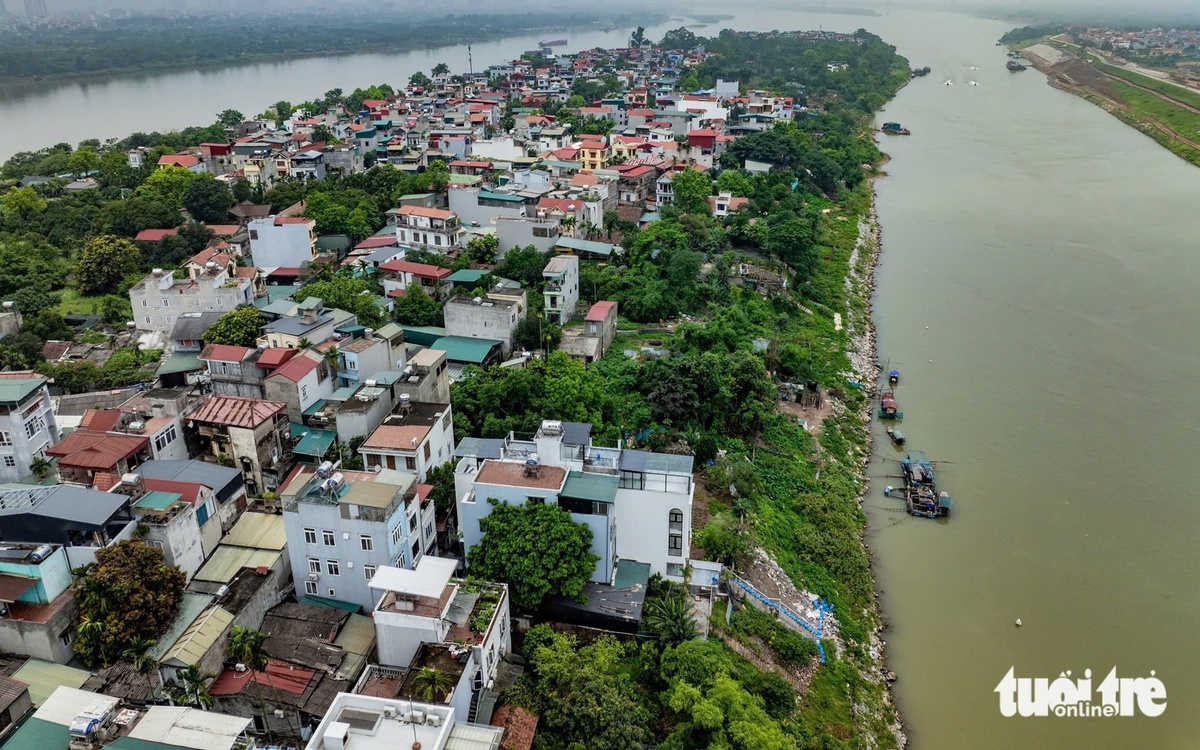
Hanoi is embarking on a significant urban transformation project, with authorities agreeing to a phased relocation and redevelopment of communities situated outside the Red River dikes. This decision, reached between the Ministry of Agriculture and Rural Development and the Hanoi People's Committee, signals a major shift in how the capital envisions its relationship with its vital river system. The plan aims to create a strategic axis along the Red River, fostering a harmonious blend of economic, commercial, and creative cultural spaces, all while ensuring flood safety in line with national standards.
A key aspect of this ambitious plan is the careful consideration given to preserving Hanoi's rich cultural heritage. Traditional craft villages, such as the renowned Bat Trang pottery village and the picturesque Nhật Tân peach flower village, are slated for preservation and revitalization. These villages will be integrated into the new urban fabric, envisioned as centers for cultural experiences and tourism. The goal is not just to modernize the riverbanks but to do so in a way that respects and enhances the local identity, improving the quality of life for residents and fostering economic development tied to local traditions.
The Ministry of Agriculture and Rural Development and the Hanoi People's Committee agreed to gradually relocate, arrange, and re-plan the entire residential area outside the dike to meet the requirements of comprehensive and synchronous reconstruction of the two banks of the Red River according to the orientation of the Master Plan of the Capital Hanoi.
This comprehensive approach to urban planning reflects Hanoi's long-term vision, aiming to create a more livable, sustainable, and culturally vibrant city. By re-planning the areas outside the dikes and studying the feasibility of new water level regulation structures like barrages, the city is proactively addressing flood control while unlocking the potential of its riverfront. The emphasis on integrating flood safety, urban development, and cultural preservation demonstrates a holistic strategy that prioritizes both resilience and heritage, setting a precedent for future urban development in Vietnam.
For craft villages such as Bat Trang pottery village, Kim Lan, Van Duc, and the Nhat Tan peach flower village, they are preserved and revived in the new development space structure based on ensuring quality living environment and synchronous technical infrastructure.
DistantNews Editorial
Originally published by Tuổi Trẻ in Vietnamese. Translated, summarized, and contextualized by our editorial team with added local perspective. Read our editorial standards.
More Stories

From Our Blog

What Gets Lost (and Found) When News Is Translated

The Critical Role of Diaspora Media in Global News

What Travellers Should Know About Countries with Restricted Press

A Digital Nomad's Guide to Following Local News

How the Same Story Looks Different in Different Countries
