


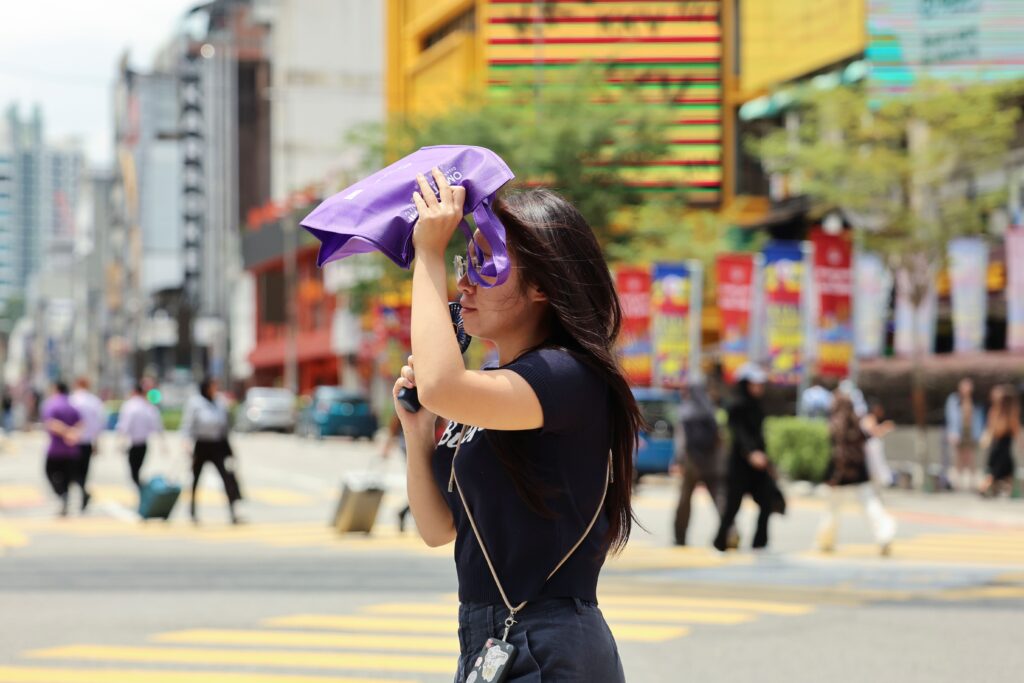
Heatwave Causes 56 Cases, Two Deaths from Heatstroke
Translated from Malay, summarized and contextualized by DistantNews.
TLDR
- Malaysia has recorded 56 cases of heat-related illnesses and two deaths due to heatstroke between January 1 and the current date.
- The fatalities involved a two-year-old child left in a vehicle and a 42-year-old marathon runner, both occurring under heat warning Level 1 conditions.
- The Ministry of Health advises the public to limit strenuous outdoor activities, stay hydrated, and take precautions, especially for vulnerable groups like children and the elderly.
The Ministry of Health's recent report detailing 56 cases of heat-related illnesses and two tragic deaths underscores the growing concern over the impact of rising temperatures in Malaysia. As a nation situated in the tropics, Malaysia is no stranger to heat, but the increasing frequency and severity of such incidents demand heightened public awareness and proactive measures.
However, the main risk factors identified were exposure to extreme heat in enclosed environments and prolonged strenuous physical activity, leading to severe dehydration and failure of body temperature regulation.
The two fatalities, a young child and a marathon participant, are particularly heart-wrenching. The case of the child left unattended in a vehicle serves as a grim reminder of parental responsibility and the dangers of extreme heat, even in seemingly short periods. Similarly, the death of the marathon runner highlights the risks associated with strenuous physical activity during hot weather, emphasizing the need for participants and organizers to prioritize safety and hydration.
Of these, almost half involved sports and games activities such as cross-country running, sports training, and marathons.
While the Ministry of Health has provided clear guidelines on preventing heat-related illnesses—advising reduced physical exertion, increased fluid intake, and protective measures like hats and light clothing—the onus is also on individuals and communities to adapt. This includes employers ensuring adequate rest breaks for outdoor workers and educational institutions adjusting schedules for outdoor activities.
Vulnerable groups such as infants, children, the elderly, and individuals with chronic diseases need to ensure adequate hydration, and parents and caregivers are reminded to avoid leaving children alone in vehicles.
From a Malaysian perspective, these incidents are not merely health statistics; they are personal tragedies that affect families and communities. The government's efforts to monitor the situation and disseminate public health advisories are crucial, but they must be complemented by a collective commitment to safety. As climate patterns continue to shift, Malaysia, like many nations, must integrate heat preparedness into its public health strategies, ensuring that the well-being of its citizens is protected against the escalating threat of extreme weather.
The public is also reminded to seek immediate treatment at health facilities if experiencing symptoms such as dizziness, nausea, muscle cramps, or extreme fatigue.
DistantNews Editorial
Originally published by Utusan Malaysia in Malay. Translated, summarized, and contextualized by our editorial team with added local perspective. Read our editorial standards.
More Stories


From Our Blog

What Gets Lost (and Found) When News Is Translated

The Critical Role of Diaspora Media in Global News

What Travellers Should Know About Countries with Restricted Press

A Digital Nomad's Guide to Following Local News

How the Same Story Looks Different in Different Countries
