

Hezbollah slams Lebanese TV for ‘Angry Birds’ clip mocking leader
Summarized and contextualized by DistantNews.
TLDR
- Hezbollah condemned a Lebanese TV channel's video that caricatured its leaders and fighters using "Angry Birds" characters as "offensive" and "cheap insults."
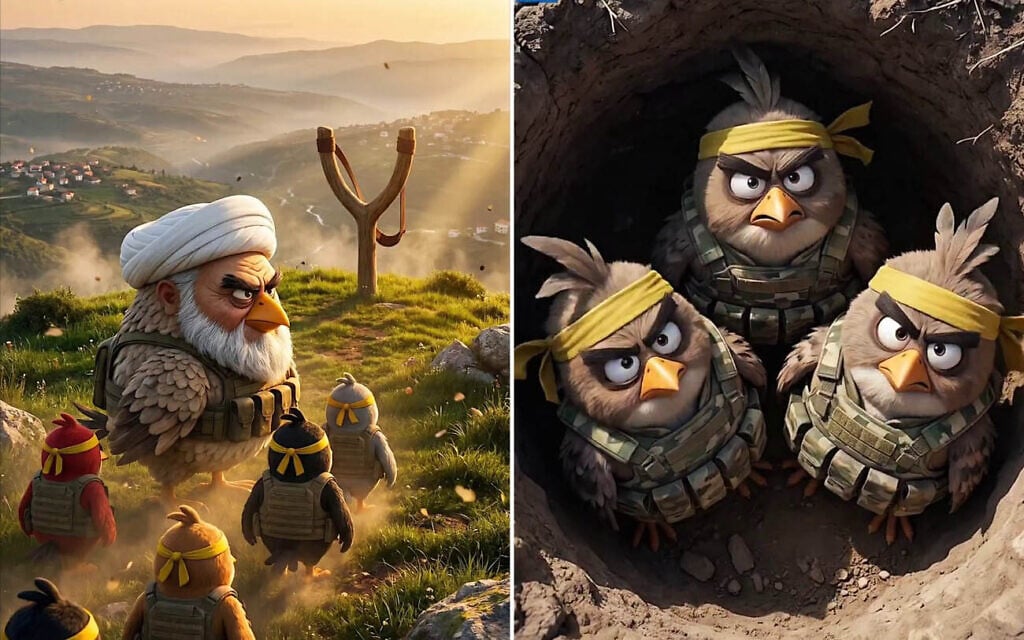
- The video, aired by LBCI, depicted Hezbollah leader Naim Qassem addressing fighters styled as game characters battling the Israeli army, represented by green pigs.
- The incident sparked condemnation from Hezbollah supporters and prompted Lebanese President Joseph Aoun to call for national solidarity and an end to personal insults.
Hezbollah has issued a strong rebuke against Lebanese broadcaster LBCI for a video that depicted its leaders and fighters as characters from the popular "Angry Birds" mobile game. The group labeled the clip as "offensive and cheap insults that degrade political discourse to a repulsive level," asserting that it was orchestrated by "enemies of the resistance."
offensive and cheap insults that degrade political discourse to a repulsive level.
The video, which aired on LBCI, portrayed Hezbollah's deputy leader, Naim Qassem, a Shia cleric, addressing his fighters, all animated as birds from the game, engaged in combat against the Israeli army, depicted as the game's green pigs. This satirical portrayal has ignited a firestorm among Hezbollah loyalists, who have retaliated by sharing images insulting Maronite Patriarch Beshara Rai, the highest Christian authority in Lebanon.
In response to the escalating sectarian rhetoric, Lebanese President Joseph Aoun intervened, condemning and rejecting any attacks on religious leaders from both Christian and Muslim communities. He urged the public to refrain from personal insults, emphasizing the need for national solidarity, particularly given the country's current challenging circumstances. Despite Lebanon's relatively open media environment compared to some Arab nations, artists and media figures often face harassment for content deemed offensive to political or religious figures.
condemned and rejected any attacks on the heads of Christian and Muslim religious communities and spiritual figures in Lebanon.
This incident highlights the volatile intersection of media, politics, and religion in Lebanon. While LBCI has since distanced itself from its founding political party and aims for a more independent image, the controversy underscores the sensitivity surrounding depictions of religious and political figures. The ongoing conflict between Hezbollah and Israel, marked by significant casualties and displacement in Lebanon, adds a layer of tension to such domestic disputes, making calls for national solidarity particularly pertinent.
Before our holy symbols and our sheikh (Qassem), all holy symbols fall
DistantNews Editorial
Originally published by Times of Israel. Summarized and contextualized by our editorial team with added local perspective. Read our editorial standards.
More Stories
From Our Blog

What Gets Lost (and Found) When News Is Translated

The Critical Role of Diaspora Media in Global News

What Travellers Should Know About Countries with Restricted Press

A Digital Nomad's Guide to Following Local News

How the Same Story Looks Different in Different Countries
