

Hidalgo Residents Block Mexico-Querétaro Train Works, Demand Endhó Dam Cleanup
Translated from Spanish, summarized and contextualized by DistantNews.
TLDR
- Residents from three municipalities in Hidalgo, Mexico, blocked the Mexico-Querétaro train construction.
- They are demanding the cleanup of the Endhó dam, which is covered in water hyacinth and breeding mosquitoes.
- The protesters cite environmental and health concerns due to the dam's condition.
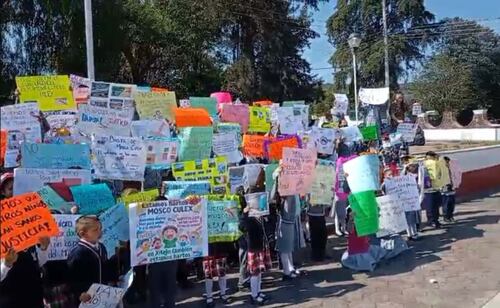
The ambitious Mexico-Querétaro high-speed train project has encountered a significant obstacle, not from logistical challenges, but from the urgent demands of local communities in Hidalgo. Residents from at least 21 communities across the municipalities of Tula, Tepetitlán, and Tezontepec de Aldama have taken drastic action, halting construction to draw attention to the dire environmental crisis plaguing the Endhó dam.
For weeks, these communities have pleaded with the federal government for decisive action against the rampant proliferation of water hyacinth in the dam. This invasive plant has created a breeding ground for the culex mosquito, leading to a significant increase in insect-borne illnesses and what locals describe as an "environmental hell." The situation has reached a boiling point, with residents expressing deep frustration over what they perceive as the government's indifference.
Their protest has escalated from previous demonstrations to directly disrupting the vital infrastructure project. The demands are clear: the immediate deployment of at least ten specialized machines to remove the water hyacinth and comprehensive house-to-house fumigation campaigns. They also seek the direct involvement of high-level officials from the Ministry of Environment and Natural Resources (Semarnat) and the National Water Commission (Conagua). The blockade underscores the profound disconnect between large-scale development projects and the pressing environmental and health concerns faced by local populations, highlighting a critical need for integrated solutions that prioritize both progress and ecological well-being.
DistantNews Editorial
Originally published by El Universal in Spanish. Translated, summarized, and contextualized by our editorial team with added local perspective. Read our editorial standards.
More Stories

From Our Blog

What Press Freedom Means for the News You Read

What Gets Lost (and Found) When News Is Translated

The Critical Role of Diaspora Media in Global News

What Travellers Should Know About Countries with Restricted Press

A Digital Nomad's Guide to Following Local News
