

Mobility Optimized with Reversible Lane
Translated from Spanish, summarized and contextualized by DistantNews.
TLDR
- Coyoacán Mayor's office implemented a reversible lane on Guillermo Pérez Valenzuela street to optimize traffic flow.
- The reversible lane, operating between Melchor Ocampo and Avenida Universidad, has reduced travel times by 10-15 minutes during peak hours.
- The project involved infrastructure upgrades, including new signage and specialized road markings, to ensure safety and efficiency.
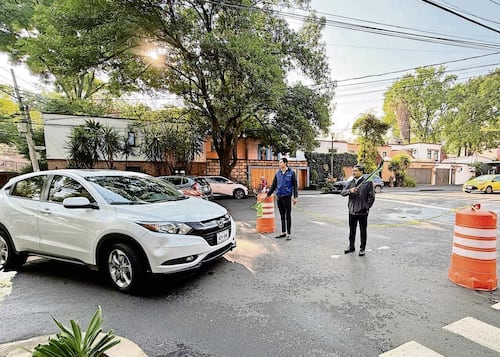
The Coyoacán Mayor's office has taken a proactive step towards enhancing urban mobility with the implementation of a reversible lane on Guillermo Pérez Valenzuela street. This strategic traffic management initiative is designed to alleviate congestion in an area known for high vehicular demand, particularly during peak hours. The project reflects a commitment to optimizing existing infrastructure rather than resorting to costly and disruptive physical expansions.
Since its implementation, the reversible lane has demonstrably reduced commute times for users, with savings ranging from 10 to 15 minutes during peak periods. This efficiency gain is a direct result of adapting the traffic flow to match real-time demand, a crucial strategy in managing the complexities of urban transportation. The data collected between October 2025 and April 2026, showing over 5,000 vehicles entering and exiting the specified section, underscores the necessity and effectiveness of this measure.
Safety and operational efficiency were paramount in the project's design. The intervention included a comprehensive renovation of the road infrastructure, featuring specific signage such as "Vía Reversible" (Reversible Lane) and "Ceda el Paso" (Yield), along with preventive devices in school zones. Specialized road markings, including zebra crossings and stop lines, were installed, complemented by reflective markers for enhanced nighttime visibility and cautionary horizontal graphics.
This initiative, as reported by El Universal, highlights a smart, data-driven approach to urban planning in Mexico City. By analyzing traffic patterns and implementing adaptive solutions, the Coyoacán administration is improving the daily lives of its residents and demonstrating a forward-thinking model for traffic management in densely populated areas. The focus on optimizing flow without physical expansion is a testament to innovative urban development.
DistantNews Editorial
Originally published by El Universal in Spanish. Translated, summarized, and contextualized by our editorial team with added local perspective. Read our editorial standards.
More Stories

From Our Blog

What Press Freedom Means for the News You Read

What Gets Lost (and Found) When News Is Translated

The Critical Role of Diaspora Media in Global News

What Travellers Should Know About Countries with Restricted Press

A Digital Nomad's Guide to Following Local News
