

Hidden Problem in Mercosur Deal: Will Toxic Substances Return to Europe?
Translated from Polish, summarized and contextualized by DistantNews.
TLDR
- The EU faces accusations of hypocrisy regarding pesticide trade, allowing the export of banned substances to Mercosur countries while tightening domestic norms.
- Experts warn of a "toxic boomerang" effect, where these banned pesticides are used in South American agriculture and return to Europe in food and feed products.
- Polish authorities are considering measures to protect the domestic market and are urging the European Commission to lower maximum residue limits for banned substances.
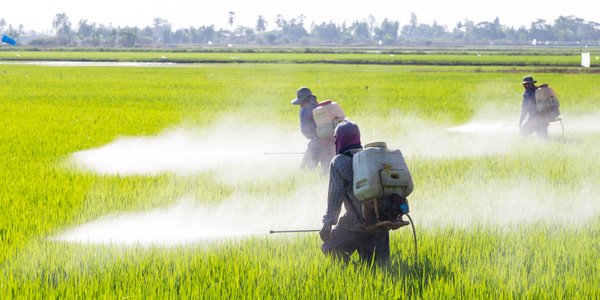
A significant controversy is brewing over the EU's trade agreement with Mercosur, with critics accusing Brussels of hypocrisy. While the EU imposes stringent pesticide regulations on its own farmers, it permits the export of substances banned within the bloc to Mercosur nations. This practice, highlighted by the Polish publication Rzeczpospolita, raises serious concerns about the "toxic boomerang" effect, where dangerous chemicals used in South American agriculture, such as in the production of soy and corn, eventually find their way back to European consumers through imported food and animal feed. Experts like Arkadiusz Zalewski from the Institute of Agricultural and Food Economics (IERiGŻ) confirm that some exported plant protection products are indeed prohibited for use within the EU due to their toxicity. The stark difference in pesticide usage—with Brazil using significantly more per hectare than Poland, and employing methods long banned in Europe like aerial spraying and pre-harvest desiccation—further exacerbates these concerns. Polish authorities are taking notice, with the Ministry of Agriculture and Rural Development working on regulations to potentially suspend trade in hazardous products and advocating for lower maximum residue limits (MRLs) for banned substances at the EU level. However, the Chief Sanitary Inspectorate has attempted to temper public fears, citing systematic testing of imported food and a low rate of detected pesticide residue violations. Nevertheless, organizations like Greenpeace Poland decry the situation as a "colonial perspective," emphasizing the ethical dimensions of trade that prioritize profit over health and environmental safety.
część środków ochrony roślin eksportowanych z krajów UE do Mercosur to preparaty zakazane w UE
DistantNews Editorial
Originally published by Rzeczpospolita in Polish. Translated, summarized, and contextualized by our editorial team with added local perspective. Read our editorial standards.
More Stories

From Our Blog

What Gets Lost (and Found) When News Is Translated

The Critical Role of Diaspora Media in Global News

What Travellers Should Know About Countries with Restricted Press

A Digital Nomad's Guide to Following Local News

How the Same Story Looks Different in Different Countries
