

Ho Chi Minh City Health Experts: Neck and Shoulder Pain Does Not Directly Cause Strokes
Translated from Vietnamese, summarized and contextualized by DistantNews.
TLDR
- Medical experts in Ho Chi Minh City state that neck and shoulder pain does not directly cause strokes.
- They caution against unverified information circulating online, particularly on social media platforms like TikTok and Facebook, which falsely link these conditions.
- Stroke risk is primarily associated with factors like high blood pressure, diabetes, and heart rhythm disorders, not muscle tension.
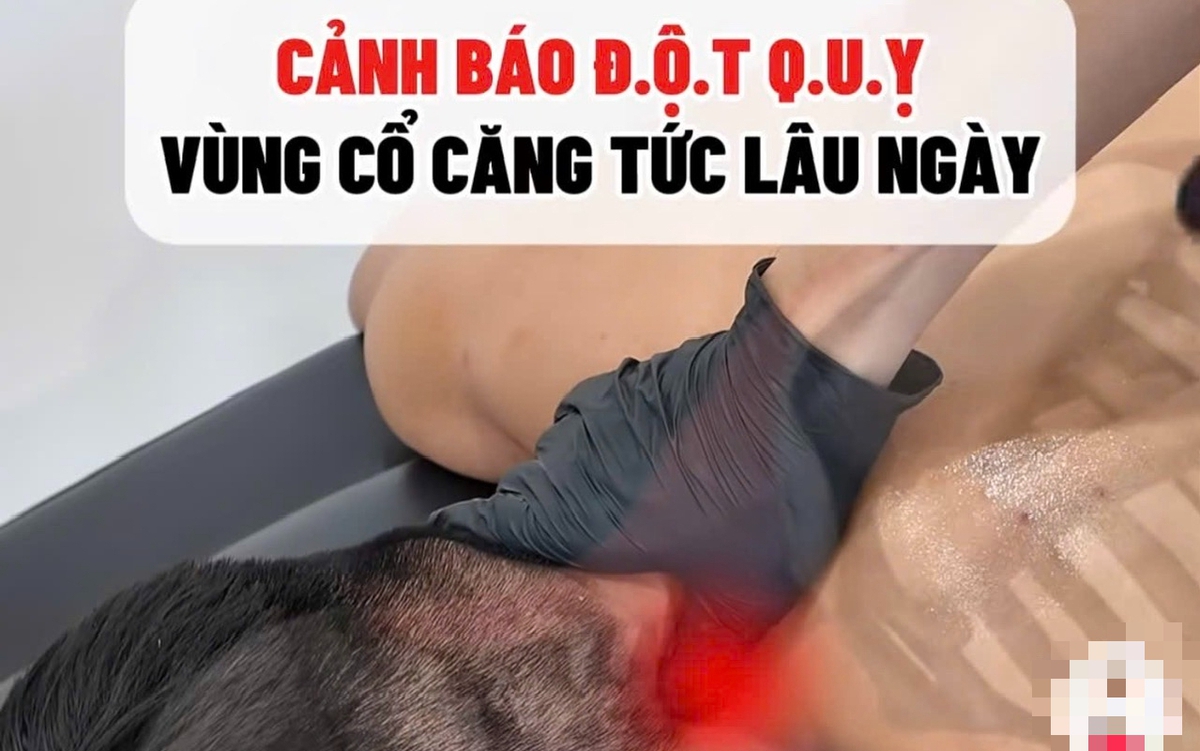
Tuổi Trẻ, a leading Vietnamese newspaper, highlights concerns raised by Ho Chi Minh City's medical community regarding misinformation linking neck and shoulder pain to strokes. Experts are urging the public to exercise caution against unverified claims, particularly those promoted through social media channels like TikTok and Facebook, which often feature videos of practitioners performing 'examinations' and 'muscle relaxation' techniques.
Neck and shoulder pain does not have a direct mechanism for causing stroke.
These online videos frequently attribute a wide range of symptoms—headaches, dizziness, tinnitus, insomnia, chest tightness, and shortness of breath—to muscle stiffness and vascular compression, falsely suggesting these can lead to strokes. Associate Professor Nguyễn Huy Thắng, President of the Stroke Association of Ho Chi Minh City and Head of the Cerebrovascular Department at People's Hospital 115, firmly states that neck and shoulder pain, primarily related to the musculoskeletal system, does not have a direct mechanism for causing strokes. Even chronic cases do not increase stroke risk.
People should be vigilant against unverified information and proactively control underlying conditions and have regular health check-ups to effectively prevent stroke.
Dr. Nguyễn Tiến Lộc from the Department of Traumatology and Orthopedics at Lê Văn Thịnh Hospital and Dr. Nguyễn Thắng Nhật Tuệ, Head of the Emergency Department at Gia An 115 Hospital, echo this sentiment. They emphasize that strokes are predominantly linked to established risk factors such as hypertension, diabetes, heart rhythm disorders (especially atrial fibrillation), and poor management of underlying health conditions. They caution that improper massage techniques could even damage the cervical spine. Tuổi Trẻ stresses the importance of relying on credible medical advice and regular health check-ups for effective stroke prevention, rather than falling prey to unsubstantiated claims that prey on public anxiety.
The essence of softening muscles is based on the mechanism of helping muscles 'relax' after a long period of continuous stiffness (due to poor sitting or working posture). Therefore, massaging muscle groups has no role in 'cleaning blood vessels' to prevent stroke.
DistantNews Editorial
Originally published by Tuổi Trẻ in Vietnamese. Translated, summarized, and contextualized by our editorial team with added local perspective. Read our editorial standards.
More Stories



From Our Blog

What Gets Lost (and Found) When News Is Translated

The Critical Role of Diaspora Media in Global News

What Travellers Should Know About Countries with Restricted Press

A Digital Nomad's Guide to Following Local News

How the Same Story Looks Different in Different Countries
