

Ho Chi Minh City's stalled flood control and Ring Road 2 projects restart after government intervention
Translated from Vietnamese, summarized and contextualized by DistantNews.
TLDR
- Two key infrastructure projects in Ho Chi Minh City, a 10-trillion-dong anti-flood project and a section of Ring Road 2, have restarted after years of delays.
- Government Resolution 212 provided the legal framework to overcome obstacles related to finances, land clearance, and contract procedures.
- The anti-flood project aims to protect a 570km² area with 6.5 million residents from tidal surges and climate change impacts, while the Ring Road 2 section will improve traffic connectivity.
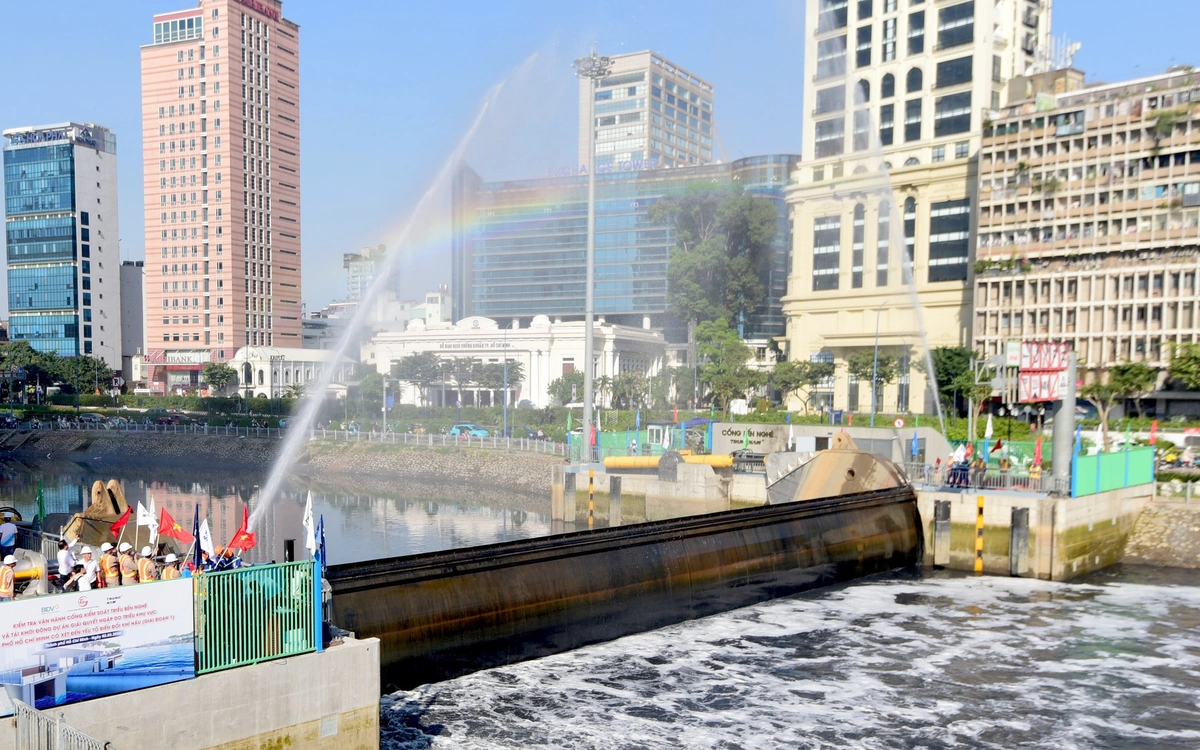
After years of stagnation, Ho Chi Minh City's critical infrastructure projects are finally back on track, thanks to decisive government intervention. The restart of the 10-trillion-dong anti-flood project and a crucial section of Ring Road 2 signals a renewed commitment to tackling the city's persistent flooding issues and improving urban mobility.
The issuance of Government Resolution 212 has been instrumental in untangling the complex web of financial, contractual, and land clearance issues that had paralyzed these vital developments. This resolution, stemming from the Central Steering Committee for Anti-Corruption, Wasteful Spending, and Negative Phenomena, demonstrates a high-level commitment to unblocking projects that are essential for the city's resilience and economic growth.
this project, by this time, has all the conditions to be completed in 2026. Which items are completed first and finished, we will put them into operation first.
For the anti-flood project, the goal is ambitious: to safeguard a vast area home to 6.5 million people from the escalating threats of tidal surges and climate change. The project's scale, involving major tidal control gates and dikes, underscores the urgency of the situation. Similarly, the completion of the Ring Road 2 section is vital for easing traffic congestion and enhancing connectivity, particularly linking key arterial routes like Pham Van Dong.
The delays had not only hampered progress but also led to financial strain for investors and left construction sites in disrepair. The renewed momentum, driven by the government's clear directives and the city's proactive approach, offers a much-needed boost. As Deputy Chairman Bui Xuan Cuong noted, the anti-flood project is on track for completion in 2026, with sections being operationalized as soon as they are finished. This pragmatic approach, prioritizing early benefits, reflects a strong focus on delivering tangible results for the citizens of Ho Chi Minh City.
This resolution helps solve the difficulties and obstacles of the two projects; unblock bottlenecks, mobilize social resources, soon continue to implement, complete and put the projects into operation, develop investment efficiency, avoid waste and loss.
DistantNews Editorial
Originally published by Tuổi Trẻ in Vietnamese. Translated, summarized, and contextualized by our editorial team with added local perspective. Read our editorial standards.
More Stories


From Our Blog

What Gets Lost (and Found) When News Is Translated

The Critical Role of Diaspora Media in Global News

What Travellers Should Know About Countries with Restricted Press

A Digital Nomad's Guide to Following Local News

How the Same Story Looks Different in Different Countries
