

Ho Chi Minh City's Theaters: A Cultural Specialty Thriving Through Decades
Translated from Vietnamese, summarized and contextualized by DistantNews.
TLDR
- Ho Chi Minh City is recognized as having the most vibrant theater scene in Vietnam, a legacy dating back to the post-1975 period.
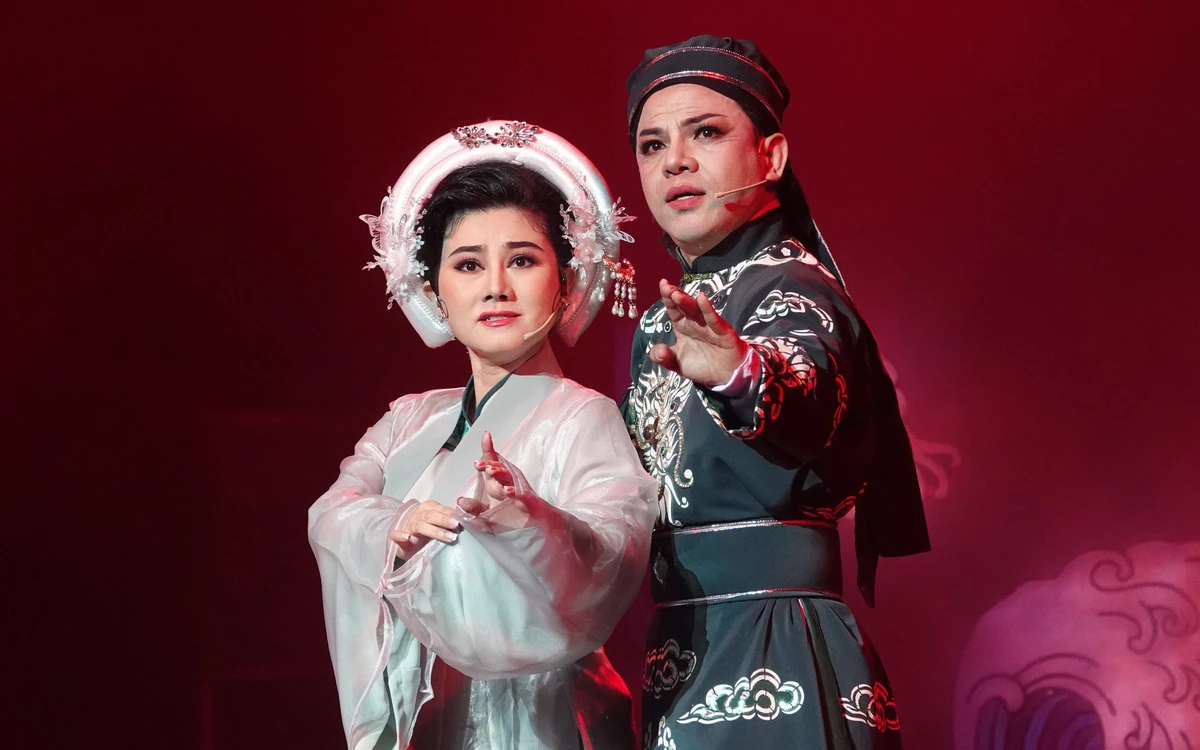
- The city's theater, encompassing traditional opera (cải lương) and spoken drama (kịch nói), has produced numerous acclaimed plays that remain influential.
- Despite challenges, artists have strived to create enduring works, with some productions achieving thousands of performances and drawing large, eager audiences.
Ho Chi Minh City stands as a beacon of theatrical activity in Vietnam, a status it has held since the challenging years following 1975. The city's stages, whether showcasing the soulful melodies of cải lương or the dramatic narratives of kịch nói, have consistently provided both entertainment and inspiration. This enduring cultural strength is a testament to the foresight of local leadership in valuing the arts. The sheer volume of troupes and the diversity of artists—those who relocated from the North, emerged from resistance zones, or were local talents—created a dynamic environment that fostered a golden age of Vietnamese theater.
From classic cải lương epics like 'Người ven đô' and 'Lá sầu riêng' to impactful spoken dramas, Ho Chi Minh City's theater scene has consistently delivered works of both artistic merit and popular appeal. Many of these plays have become timeless classics, revived repeatedly over decades. The resilience of artists during difficult times, exemplified by the efforts of late artist Thanh Nga who repurposed old costumes, and director Ngô Y Linh's minimalist yet creative staging of 'Tiếng trống Mê Linh,' highlights a deep commitment to the craft. This dedication allowed many productions to run for thousands of shows, with audiences lining up for tickets, a stark contrast to the struggles faced by some cultural sectors elsewhere.
While the 1990s saw a decline in traditional cải lương, the city's theatrical landscape adapted, with the rise of intimate drama stages like 5B. These venues became crucial incubators for new talent and innovative productions. The article from Tuổi Trẻ emphasizes that experiencing the theater is an essential part of visiting Ho Chi Minh City, reflecting its unique cultural significance. This vibrant scene is not just entertainment; it's a living repository of Vietnamese culture and history, continuously evolving while honoring its past. The dedication to preserving and evolving these art forms, even with limited resources, is a source of immense local pride and a unique aspect of the city's identity that resonates deeply with its people.
DistantNews Editorial
Originally published by Tuổi Trẻ in Vietnamese. Translated, summarized, and contextualized by our editorial team with added local perspective. Read our editorial standards.
More Stories

From Our Blog

What Gets Lost (and Found) When News Is Translated

The Critical Role of Diaspora Media in Global News

What Travellers Should Know About Countries with Restricted Press

A Digital Nomad's Guide to Following Local News

How the Same Story Looks Different in Different Countries
