



Hormuz Strait Crisis Deepens, Prices Rise Amid Prolonged Instability
Translated from Finnish, summarized and contextualized by DistantNews.
TLDR
- The Persian Gulf energy crisis, sparked by US and Israeli attacks on Iran, has entered a phase of prolonged instability.
- Quick solutions are unlikely, with no breakthrough expected from negotiations.
- The crisis highlights the weaponization of oil and gas, leading to regional political fragmentation and high energy prices.
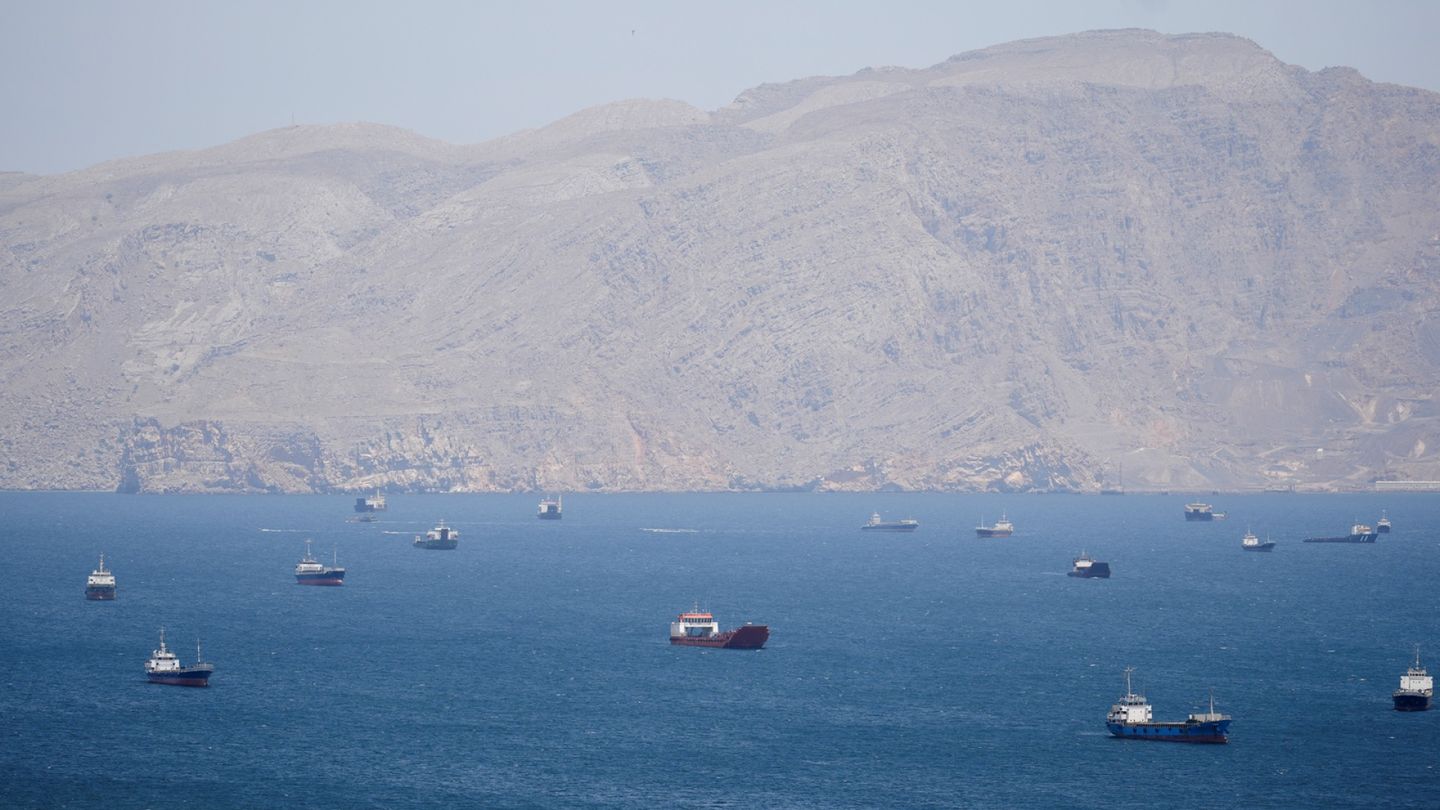
The ongoing crisis in the Hormuz Strait, ignited by actions attributed to the United States and Israel against Iran, has transitioned from an acute shock to a protracted period of instability, as reported by Helsingin Sanomat. The Finnish publication emphasizes that swift resolutions are improbable, and diplomatic efforts are not expected to yield significant breakthroughs. This prolonged uncertainty directly impacts global energy markets, underscoring the critical role of the Strait as a vital artery for oil and gas transportation.
Helsingin Sanomat points to the unpredictable nature of US foreign policy under the Trump administration, noting its reliance on personal relationships and operations outside formal structures. This approach, where the same individuals manage negotiations concerning Iran, Ukraine, and Gaza, creates a complex and often opaque decision-making process. The article suggests that US foreign policy is shaped not only by strategic objectives but also by internal power struggles within Trump's inner circle, adding another layer of complexity to the Iran negotiations. The core US policy objective remains preventing Iran's nuclear program and curbing its regional influence, but the methods employed are subject to internal dynamics.
The report highlights Iran's refusal to yield to US pressure, with Trump threatening a continued naval blockade until Iran concedes. The article posits that genuine de-escalation would require both a credible agreement on traffic in the Hormuz Strait and a peace accord linked to Iran's nuclear program and the sanctions imposed upon it. The current situation, however, points towards a fragile balance of terror, where Iran retains the ability to disrupt maritime traffic, and the US lacks a definitive strategy to neutralize this capability. The potential for escalation remains high, and even US military superiority cannot guarantee stability in the Persian Gulf.
From a Finnish and European perspective, the crisis serves as a stark reminder of the volatility of energy markets and the geopolitical risks associated with reliance on specific transit routes. Helsingin Sanomat's analysis emphasizes the need for Europe to diversify energy sources and accelerate its green transition to mitigate such risks. While these long-term strategies are crucial, they offer little immediate relief during an active crisis. The article implicitly critiques the lack of a unified European energy strategy and the difficulties in assessing actual energy reserves within the EU, highlighting a vulnerability that external crises can exploit. The focus on energy security and self-sufficiency resonates deeply in a region highly dependent on external energy supplies, making the Hormuz Strait crisis a critical case study in geopolitical risk management and the imperative for energy independence.
DistantNews Editorial
Originally published by Helsingin Sanomat in Finnish. Translated, summarized, and contextualized by our editorial team with added local perspective. Read our editorial standards.
More Stories


From Our Blog

What Gets Lost (and Found) When News Is Translated

The Critical Role of Diaspora Media in Global News

What Travellers Should Know About Countries with Restricted Press

A Digital Nomad's Guide to Following Local News

How the Same Story Looks Different in Different Countries
