


Hormuz: The ceasefire that died
Translated from Romanian, summarized and contextualized by DistantNews.
At a glance
Analysis
Sources not specified
Context piece
- The fragile understanding reached at Versailles regarding a ceasefire in Hormuz has collapsed, leading to renewed tensions.
- At least three commercial ships were hit within 24 hours, resulting in one crew member's death and eight injuries, escalating the situation in the Strait of Hormuz.
- President Trump's actions, including reimposing a naval blockade and threatening tariffs, have been criticized for contributing to the breakdown of diplomatic negotiations and market instability.
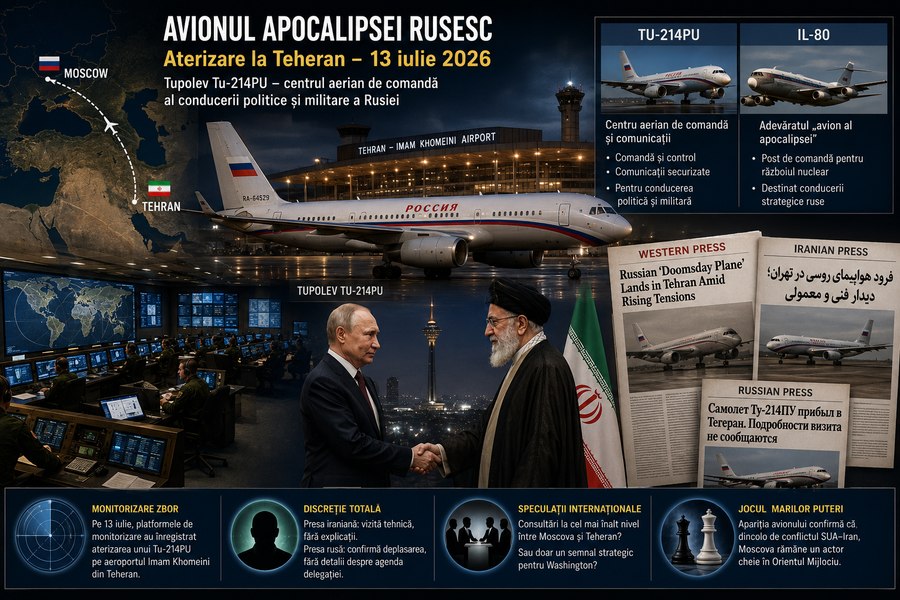
The strategic game surrounding the Hormuz Strait has intensified, with the discreet landing of a Kremlin command plane in Tehran signaling that major powers are engaged in complex maneuvers beyond the immediate conflict. The fragile understanding reached at Versailles on June 17, intended to secure an "immediate and permanent" cessation of military operations, has dramatically collapsed within days.
Three weeks after the Versailles agreement, the ceasefire lies in tatters. The situation in the Strait of Hormuz has deteriorated sharply, with at least three commercial vessels struck in a mere 24 hours, leaving one crew member dead and eight injured. The strait, historically a critical negotiation tool for Tehran, has once again become a focal point of strategic tension, driven by force rather than diplomacy.
Much of the responsibility for this relapse is attributed to the U.S. President, who transformed the breakdown of diplomatic talks into what critics describe as a corporate branding spectacle. Frustrated by last-minute demands from the Iranian side for modifications to a text he considered settled, the President announced the reinstatement of a naval blockade on Iranian ports. He also declared an intention to tax 20% of goods transiting the strait, a move seen as defying international maritime law.
Trump's pronouncements, including his declaration on Truth Social that the U.S. would become "THE GUARDIAN OF THE HORMUZ STRAIT," and his suggestion to rename this role "the guardian angel" of the strait, were met with significant market reactions. Brent crude prices surged nearly 10% in a single day, reaching $85.92 per barrel, the highest in a month. Maritime traffic through the strait plummeted to just six vessels in 12 hours, down from the usual 18-22 daily passages. Analysts warn that the market's buffer is depleted, bringing the world dangerously close to repeating the price shock seen in March-April when oil reached $126 per barrel. The President later retracted his tariff threat under pressure from falling European markets, stating the strait "is open to ALL ships, except Iran," shifting blame solely to Tehran.
Statele Unite, a scris el pe Truth Social, vor deveni de acum înainte „THE GUARDIAN OF THE HORMUZ STRAIT”, iar, într-un moment de improvizație stilistică rar întâlnit la nivelul retoricii prezidențiale, a sugerat că acest rol ar putea fi rebotezat „îngerul păzitor” al strâmtorii.
DistantNews Editorial
Originally published by Adevărul in Romanian. Translated, summarized, and contextualized by our editorial team with added local perspective. Read our editorial standards.
More Stories

From Our Blog

What Gets Lost (and Found) When News Is Translated

The Critical Role of Diaspora Media in Global News

What Travellers Should Know About Countries with Restricted Press

A Digital Nomad's Guide to Following Local News

How the Same Story Looks Different in Different Countries
