

Hotter than Daegu already at 29°C in April… This summer also signals 'Gwang-frica'
Translated from Korean, summarized and contextualized by DistantNews.
TLDR
- Gwangju and the surrounding Jeonnam region are predicted to experience another summer of extreme heat, earning the nickname 'Gwang-frica' (Gwangju + Africa).
- Temperatures are expected to be higher than average from May to July, exacerbated by high humidity due to the inflow of warm, moist southwesterly winds.
- Gwangju's 'felt temperature' is often higher than Daegu's, a city also known for heat, due to its coastal proximity and geographical features that increase humidity.
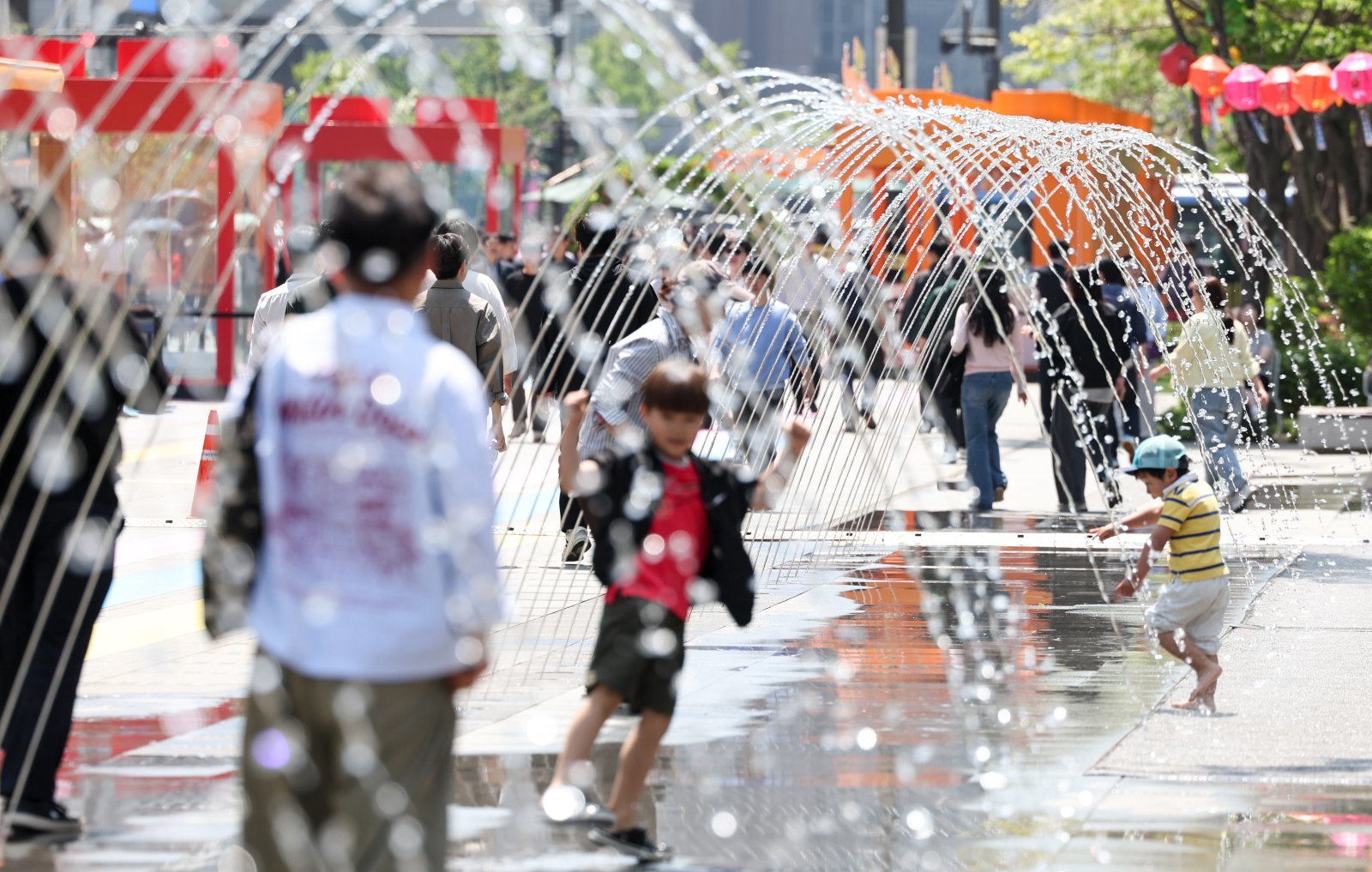
The southern city of Gwangju and the wider Jeonnam province are bracing for yet another sweltering summer, with forecasts suggesting the region will live up to its moniker, 'Gwang-frica' (a portmanteau of Gwangju and Africa). The Korea Meteorological Administration predicts temperatures will remain above average from May through July. This prolonged heatwave is attributed to the strengthening of a high-pressure system over Korea, fueled by unusually high sea surface temperatures in the North Atlantic and North Indian Oceans. This system facilitates the inflow of warm, humid southwesterly winds, significantly driving up temperatures.
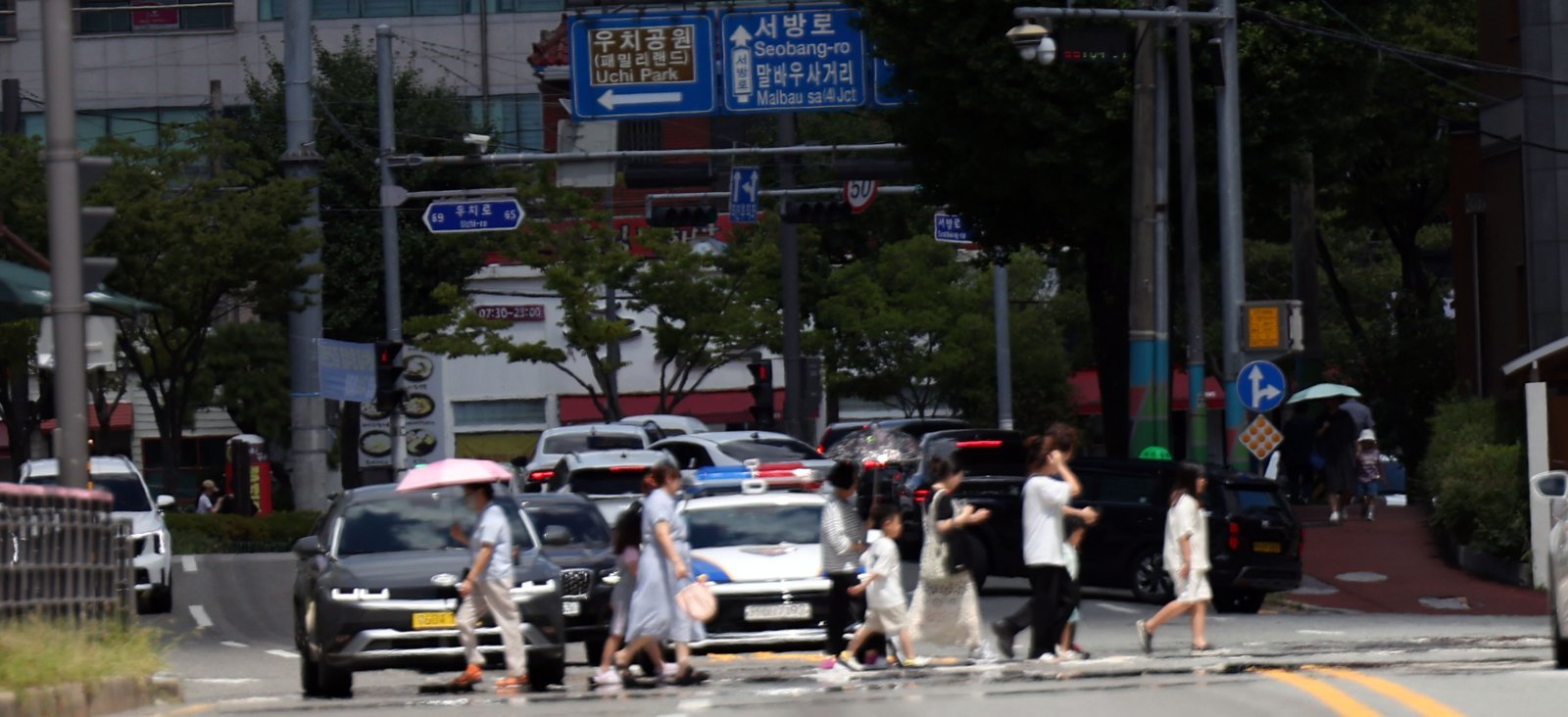
Evidence of this trend is already apparent. On April 13th, Gwangju recorded a daytime high of 29.1 degrees Celsius, setting a new record for the date. Subsequent days in April also saw temperatures hovering around 28-29 degrees Celsius. Considering that average high temperatures in late June typically range from 27 to 29 degrees Celsius, Gwangju experienced mid-summer heat as early as mid-April. The meteorological agency attributes this to a combination of strong solar radiation on clear days and warm air masses at higher altitudes.
Gwangju's unique geography exacerbates the heat. Its proximity to the west coast means it is heavily influenced by the prevailing southwesterly winds. Furthermore, the region experiences frequent passages of rain clouds and low-pressure systems, which tend to increase humidity levels. This higher humidity means that even when the actual air temperature is the same, the 'felt temperature' or 'heat index' is significantly higher, as sweat evaporates less effectively. This phenomenon is why Gwangju's perceived heat often surpasses that of Daegu, a city notoriously known for its summer heat. In fact, over the past decade (2014-2023), the number of extremely hot days has decreased in Daegu but increased by 3.4 days in Gwangju.
While rainfall is expected to be above average in May, it is projected to be similar to the annual average for June and July. Despite the challenges posed by the impending heatwave, residents of Gwangju and Jeonnam are accustomed to these conditions, though the early onset and predicted intensity of the heat this year are causing concern. Local authorities are likely to issue heat advisories and warnings, urging citizens to take precautions against heat-related illnesses.
DistantNews Editorial
Originally published by Dong-A Ilbo in Korean. Translated, summarized, and contextualized by our editorial team with added local perspective. Read our editorial standards.
More Stories


From Our Blog

What Gets Lost (and Found) When News Is Translated

The Critical Role of Diaspora Media in Global News

What Travellers Should Know About Countries with Restricted Press

A Digital Nomad's Guide to Following Local News

How the Same Story Looks Different in Different Countries
