


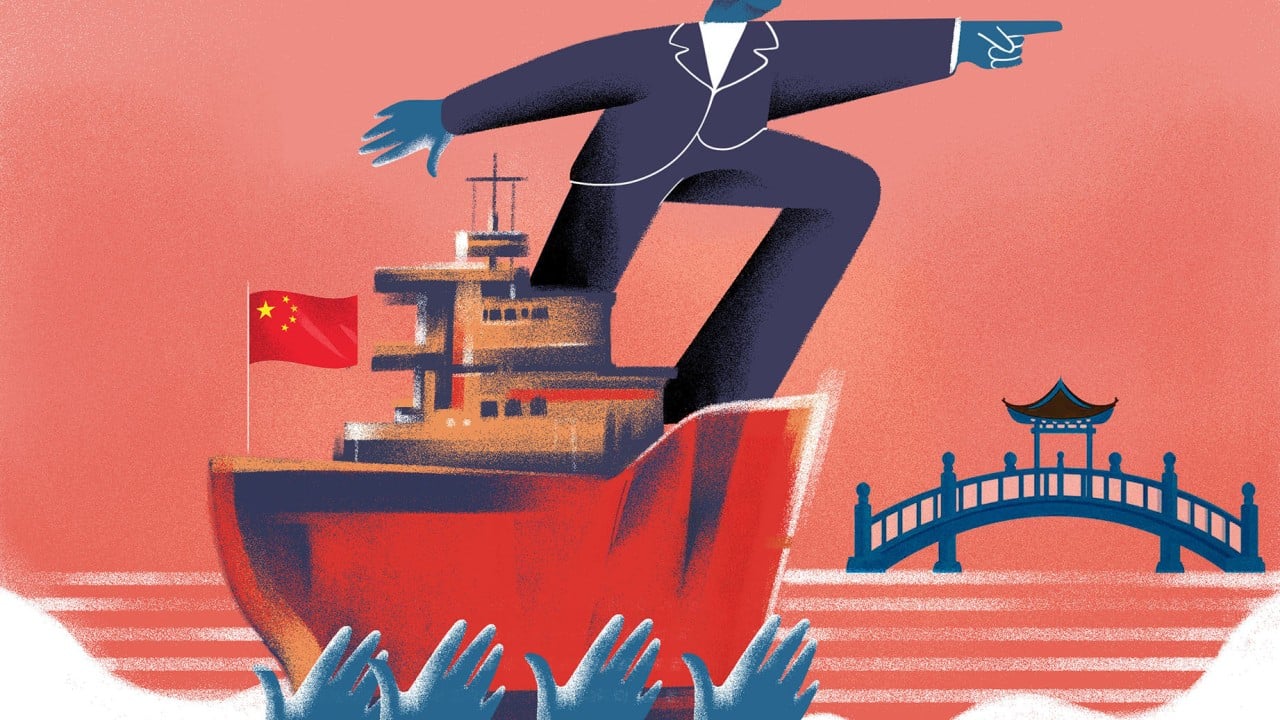
How China can turn its ‘blue cradle’ into a bridge with Southeast Asia
Summarized and contextualized by DistantNews.
At a glance
News
Sources not specified
New plan
- China has developed extensive marine science capabilities over 80 years, including research fleets and advanced technology.
- The country aims to host the High Seas Treaty secretariat in Xiamen, requiring trust and cooperation from neighboring nations.
- China proposes a jointly governed ocean data framework for the South China Sea to foster a "maritime community with a shared future."
China has cultivated formidable marine science capabilities over eight decades, establishing itself as a global leader in ocean research. From its first oceanography department in 1946 to its current extensive networks of research fleets, satellites, and advanced laboratories, the nation has made significant strides.
Now, as Xiamen University marks the 80th anniversary of its oceanography department, the focus shifts to how China can leverage its scientific prowess. The country is vying to host the permanent secretariat of the new High Seas Treaty in Xiamen. This bid hinges not only on China's facilities but also on its willingness to establish trusted, reciprocal rules for ocean data sharing with Southeast Asian partners.
To strengthen its candidacy, China is proposing a jointly governed, tiered ocean data framework for the South China Sea. This initiative aims to give practical meaning to its vision of a "maritime community with a shared future" and "blue partnerships." Such a framework would necessitate multilateral cooperation, information exchange, and capacity building, particularly for nations with less developed marine science expertise. The success of Xiamen's bid will depend on China's ability to demonstrate a model of scientific governance that fosters trust and collaboration.
DistantNews Editorial
Originally published by South China Morning Post. Summarized and contextualized by our editorial team with added local perspective. Read our editorial standards.
More Stories

From Our Blog

Countries Without a Free Press: What You Need to Know

What Press Freedom Means for the News You Read

What Gets Lost (and Found) When News Is Translated

The Critical Role of Diaspora Media in Global News

What Travellers Should Know About Countries with Restricted Press
