

Siberia's warming landscape threatens Arctic ambitions of US, Russia, China
Translated from English, summarized and contextualized by DistantNews.
At a glance
News
Documents & data
Context piece
- Thawing permafrost in Siberia poses a significant threat to the economic ambitions of the US, Russia, and China in the Arctic.
- Rapid warming in the Arctic, occurring four times faster than the global average, is causing permafrost to melt, potentially releasing large amounts of greenhouse gases.
- A study estimates that by 2050, increased methane emissions from permafrost thaw and wildfires in Siberia could counteract 20% of global methane reduction targets.
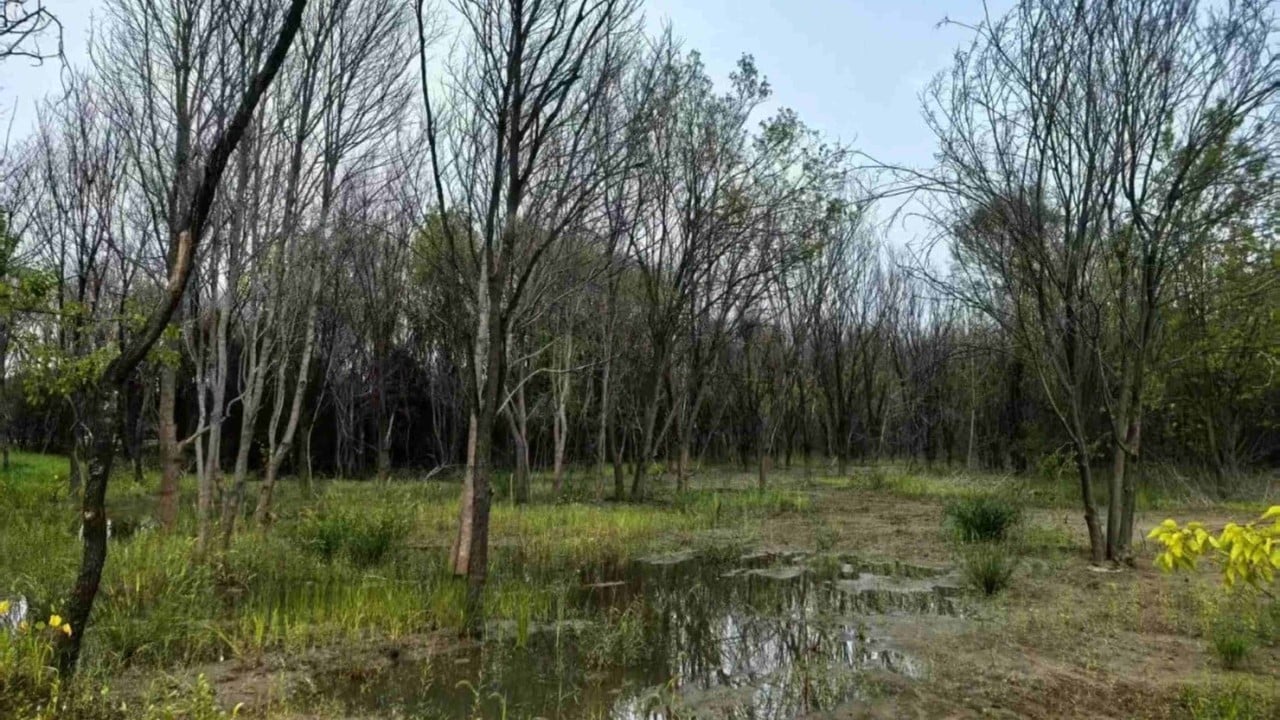
The race by the United States, Russia, and China to transform the melting Arctic into a new global economic hub faces a hidden danger: thawing permafrost. As these major powers vie for control over Arctic shipping lanes and mineral resources, the rapidly melting permafrost in Siberia could significantly disrupt their strategic plans.
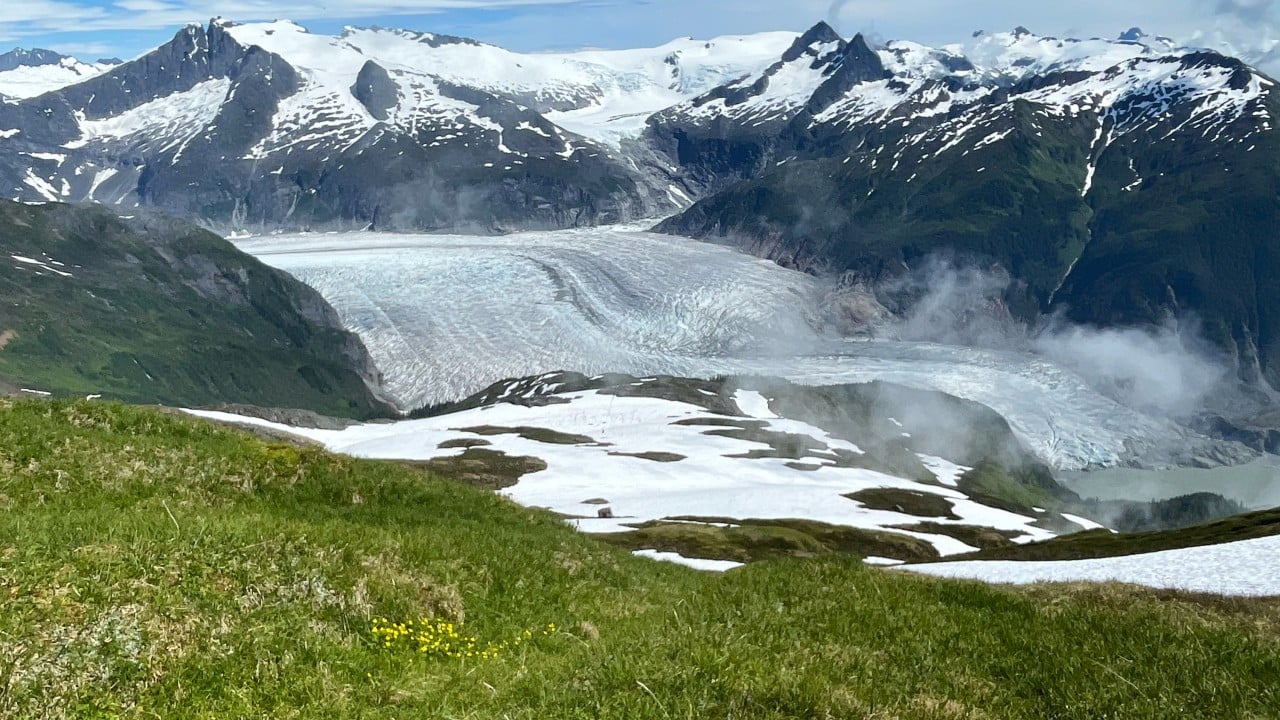
Arctic amplification, a phenomenon causing the region to warm nearly four times faster than the rest of the planet, is accelerating the thaw of permafrost, which covers most of the area. Permafrost, defined as ground that remains below 0 degrees Celsius (32 degrees Fahrenheit) for at least two consecutive years, could release vast quantities of greenhouse gases as it melts, further driving up global temperatures.
Siberia contains approximately 46% of the Northern Hemisphere's permafrost. According to a new international study led by Chinese scientists and published in the journal Science, the immense costs associated with ground collapse due to thawing permafrost threaten to outweigh the region's economic potential. The study estimates that by 2050, increased methane emissions from permafrost thaw and more frequent wildfires in Siberia could offset as much as 20% of the global methane reductions needed to meet climate targets.
This environmental challenge complicates the ambitions of nations like the US, which under President Donald Trump, has sought to expand its Arctic presence through investments in icebreakers and resource development. The potential economic fallout from permafrost degradation could undermine the viability of large-scale Arctic projects, forcing a reevaluation of strategic investments in the region.
By 2050, higher methane emissions as a result of permafrost thaw and increasing wildfires in Siberia could offset 20 per cent of the global methane reduction required to meet our climate targets.
DistantNews Editorial
Originally published by South China Morning Post in English. Translated, summarized, and contextualized by our editorial team with added local perspective. Read our editorial standards.
More Stories
From Our Blog

Countries Without a Free Press: What You Need to Know

What Press Freedom Means for the News You Read

What Gets Lost (and Found) When News Is Translated

The Critical Role of Diaspora Media in Global News

What Travellers Should Know About Countries with Restricted Press
