


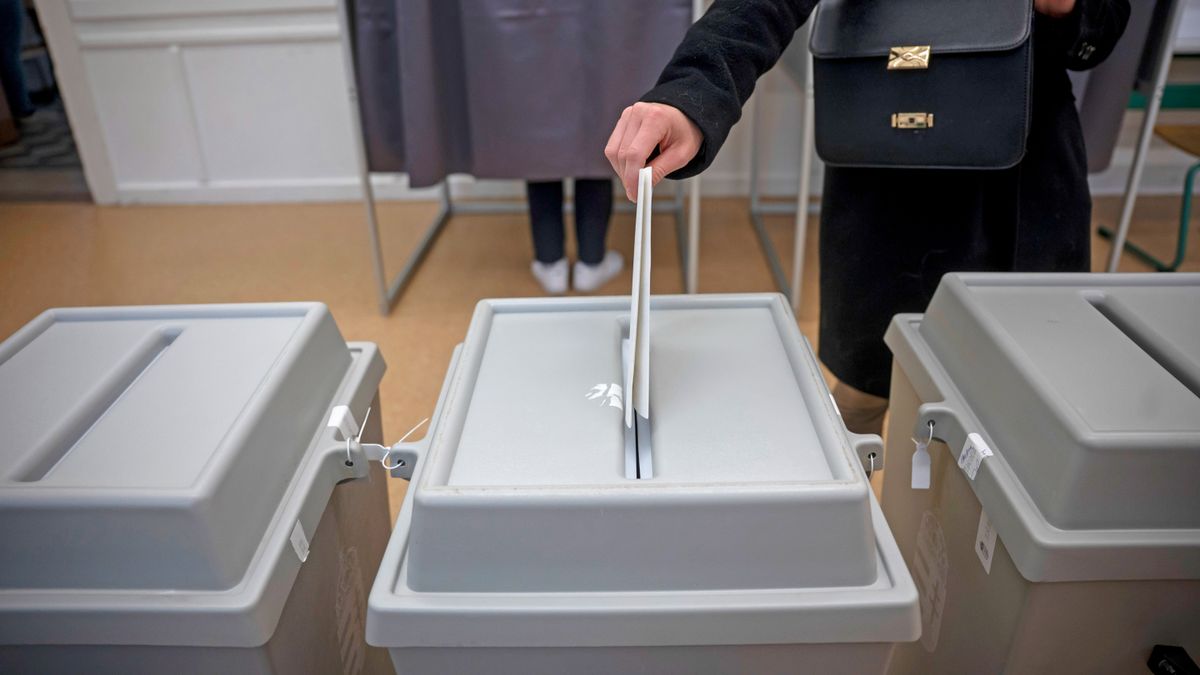
How Hungary's Election Results Were Received in Bulgaria
Translated from Hungarian, summarized and contextualized by DistantNews.
TLDR
- Following election results, Péter Magyar, leader of the Tisza party, announced potential constitutional amendments, including one that could prevent Viktor Orbán from running for prime minister in 2030.
- Georgi Markov, a former Bulgarian constitutional judge living in Hungary, criticized these proposed changes, calling them 'Balkan tricks' and suggesting they aim to remove Orbán from politics.
- Markov drew parallels to Bulgarian history, specifically the case of Tsar Simeon II, to illustrate how constitutional amendments can be used to block political figures.
Magyar Nemzet reports on the significant political developments in Hungary, particularly the proposed constitutional changes announced by Tisza party leader Péter Magyar in the wake of the recent election results. These proposals, including a potential amendment that could bar Prime Minister Viktor Orbán from seeking re-election in 2030, have drawn sharp criticism.
I never thought that European Hungary would amend its constitution with Balkan tricks and passions.
Georgi Markov, a respected former Bulgarian constitutional judge residing in Hungary, has voiced strong opposition to Magyar's plans. Markov characterizes the proposed amendments as 'Balkan tricks' and argues that their primary aim is to politically neutralize Viktor Orbán. He suggests that altering the fundamental law is a tactic to prevent Orbán's continued leadership, a move he finds deeply concerning for the stability and direction of Hungarian politics.
Markov’s critique is rooted in historical precedent. He references the case of Bulgaria's last Tsar, Simeon II, whose return to politics after exile was complicated by constitutional changes that barred him from holding the highest office. Markov sees a similar pattern in Hungary, where proposed term limits for prime ministers, a rule typically applied to presidents or supreme judges, could be used to target Orbán specifically. He labels this approach as 'Balkanization' of Hungarian constitutional law.
If the basic law is transformed, the Fidesz leader could not run for prime minister again in 2030.
Furthermore, Markov questions the Tisza party's long-term strategy, suggesting their reliance on digital campaigning may not translate into effective governance. He implies that the party fears a strengthened Fidesz and doubts Tisza's ability to compete with the achievements of the past 16 years. This perspective highlights a deep skepticism towards the Tisza party's intentions and capabilities, framing the proposed constitutional changes as a desperate political maneuver rather than a genuine reform effort.
Digitally, you can win an election, but you cannot govern digitally.
DistantNews Editorial
Originally published by Magyar Nemzet in Hungarian. Translated, summarized, and contextualized by our editorial team with added local perspective. Read our editorial standards.
More Stories

From Our Blog

Countries Without a Free Press: What You Need to Know

What Press Freedom Means for the News You Read

What Gets Lost (and Found) When News Is Translated

The Critical Role of Diaspora Media in Global News

What Travellers Should Know About Countries with Restricted Press
