

How People Used to Eat: Culinary Archaeology
Translated from Polish, summarized and contextualized by DistantNews.
TLDR
- The history of food is a journey of human discovery, marked by key developments like agriculture, spices, and new ingredients.
- Understanding nutrition requires not just cataloging foods but also reconstructing what, how much, and how people ate and drank historically.
- Culinary archaeology is increasingly fulfilling this need by providing empirical data on historical diets.
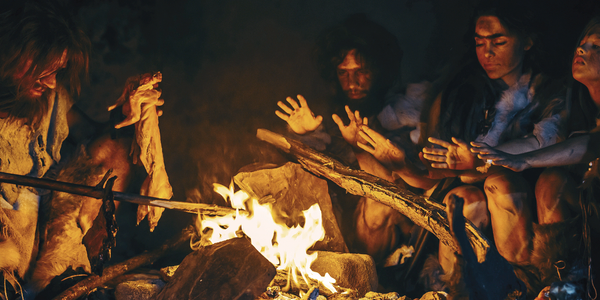
The study of what humanity consumes offers a unique lens through which to understand our journey. As Maguelonne Toussaint-Samat's seminal work, "A History of Food," suggests, pivotal moments—from the advent of gathering and hunting to the cultivation of grains, the domestication of animals, the discovery of wine, the trade in spices, the introduction of sugar and potatoes, and the exploration of protein sources—have fundamentally shaped our world and our understanding of it.
Professor Ernst Schubert, a respected German historian, has consistently emphasized that a true history of nutrition cannot be written without delving into the practicalities: attempting to reconstruct not only *what* people ate and drank but also *how much* and *how* they consumed it. This requires moving beyond mere lists of ingredients to understanding the actual patterns of consumption.
Archaeology, in its evolving methodologies, is increasingly rising to this challenge. Through the meticulous examination of material remains, culinary archaeology is providing the empirical evidence needed to fulfill Professor Schubert's postulate. It allows us to move from speculation to a more grounded understanding of historical diets, offering tangible insights into the daily lives and sustenance of past populations.
DistantNews Editorial
Originally published by Rzeczpospolita in Polish. Translated, summarized, and contextualized by our editorial team with added local perspective. Read our editorial standards.
More Stories

From Our Blog

What Gets Lost (and Found) When News Is Translated

The Critical Role of Diaspora Media in Global News

What Travellers Should Know About Countries with Restricted Press

A Digital Nomad's Guide to Following Local News

How the Same Story Looks Different in Different Countries
