


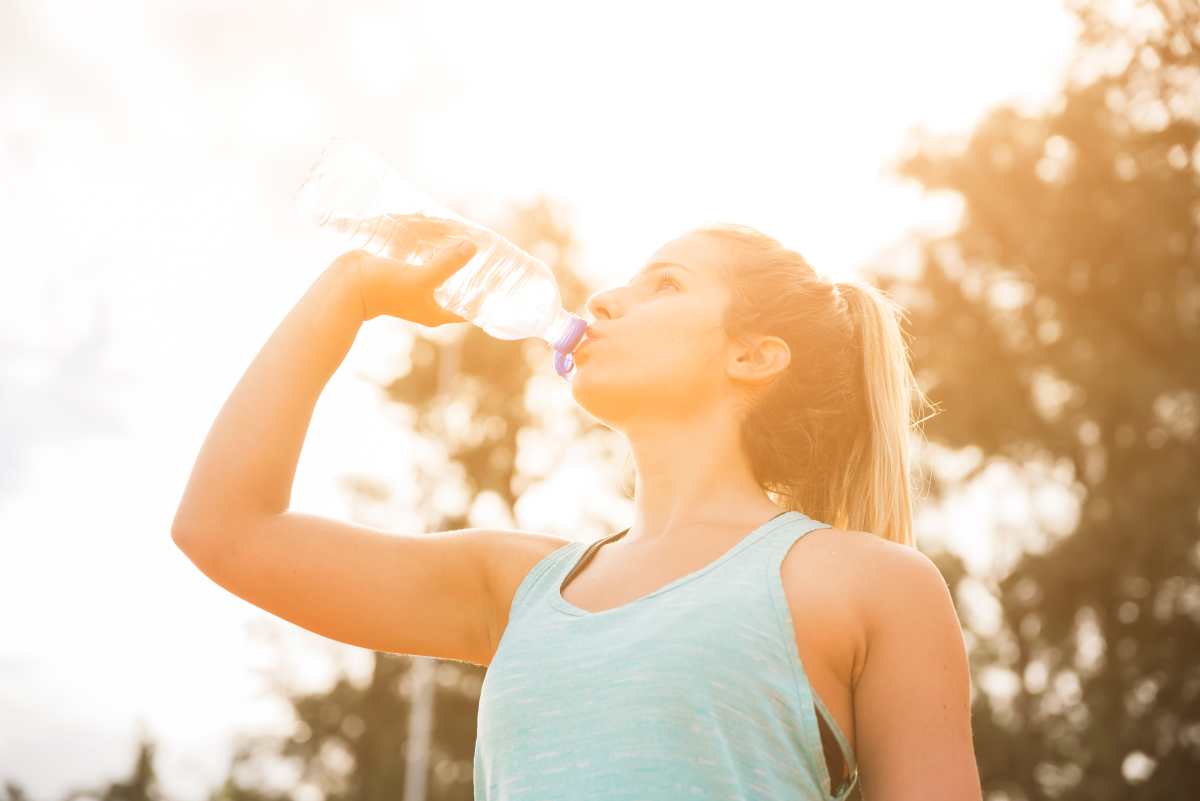
How to Reduce the Sensation of Heat and Avoid Complications from High Temperatures
Translated from Spanish, summarized and contextualized by DistantNews.
TLDR
- High temperatures can lead to health complications like hyperthermia, making it crucial to regulate body temperature, with hydration being a key factor.
- The body cools itself through sweating, but excessive heat increases perspiration, risking dehydration which can range from mild fatigue to severe shock or even death.
- To mitigate heat effects, individuals should wear light clothing, stay in ventilated areas, avoid prolonged sun exposure, and drink plenty of fluids.
As temperatures rise, particularly in early May, the sensation of heat has become a constant topic of conversation. Prensa Libre highlights the critical importance of managing body temperature to avoid serious health issues. The article emphasizes that intense heat can overwhelm the body's natural regulatory mechanisms, leading to conditions like hyperthermia.
The more heat we have, the body tries to eliminate or dissipate it. One of the mechanisms it uses to do so is evaporation, which we achieve through sweat. The body sweats and that sweat allows some of the internal heat to go to the skin and then to the environment.
Dr. Estuardo Rojas, an internal medicine specialist, explains that while the body strives to maintain optimal temperature, extreme heat challenges this balance. Sweating is the primary cooling mechanism, but significant fluid loss through perspiration can result in dehydration. The consequences of dehydration range from simple fatigue to life-threatening conditions such as heatstroke and shock, underscoring the necessity of consistent hydration.
A mild dehydration can cause lethargy, weakness, fatigue, and drowsiness. Severe dehydration can lead a person to shock and even death.
Beyond hydration, the article offers practical advice for combating the heat. Wearing light, comfortable clothing and seeking out well-ventilated spaces are recommended to facilitate heat dissipation. Avoiding direct sun exposure, especially during peak hours, is also crucial. These measures, rooted in understanding the body's response to heat, are vital for public health and well-being during periods of elevated temperatures.
The air is another mechanism we have for losing heat; when gusts of wind hit our body, they help us dissipate accumulated internal heat.
DistantNews Editorial
Originally published by Prensa Libre in Spanish. Translated, summarized, and contextualized by our editorial team with added local perspective. Read our editorial standards.
More Stories



From Our Blog

What Gets Lost (and Found) When News Is Translated

The Critical Role of Diaspora Media in Global News

What Travellers Should Know About Countries with Restricted Press

A Digital Nomad's Guide to Following Local News

How the Same Story Looks Different in Different Countries
