

Hungarian Leader Defends Brother-in-Law Appointment Amid Nepotism Claims
Translated from Turkish, summarized and contextualized by DistantNews.
TLDR
- Hungarian leader Péter Magyar defended his appointment of his brother-in-law, Márton Melléthei-Barna, as Justice Minister, amidst accusations of nepotism.
- Magyar pledged to restore checks and balances, revitalize the economy, and improve public services, while addressing concerns about EU funds frozen due to rule of law issues.
- The new government aims to reset relations with the EU and Ukraine, signaling a potential shift from previous policies.
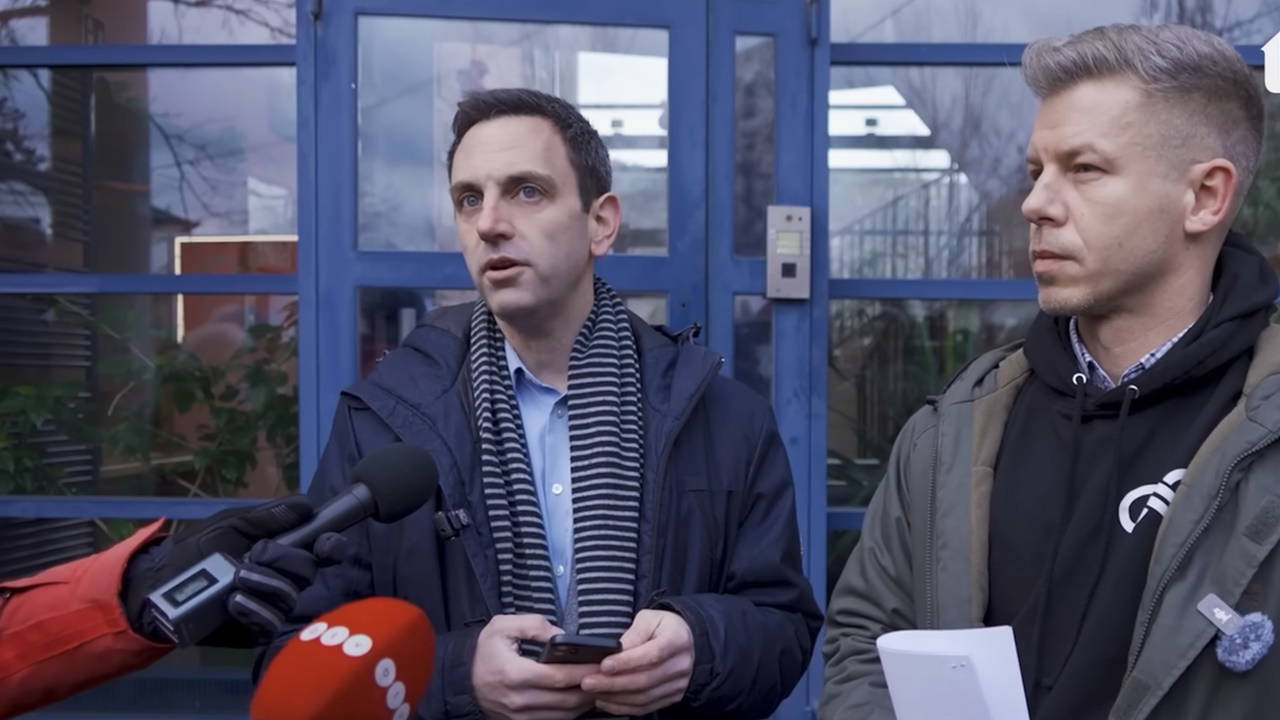
In Hungary, Péter Magyar has stepped into the political arena, not just as a leader but as a figurehead for change, and he is already facing the familiar storms of political scrutiny. His recent appointment of Márton Melléthei-Barna as the new Justice Minister, who also happens to be his brother-in-law, has ignited a firestorm of criticism, particularly from the opposition and former ruling party circles. They've decried the move as blatant nepotism, a charge that hangs heavy in the air of Hungarian politics.
Magyar, however, has not shied away from the controversy. He acknowledges the 'serious dilemma' the situation presents, a nod to the delicate balance between personal ties and public office. Yet, he frames it within a broader promise to restore transparency and accountability. The swift announcement that Melléthei-Barna will step down from his previous judicial role is a calculated move to appease these concerns, a signal that while family ties are present, they will not dictate the integrity of governance. This is a narrative that aims to reassure a public weary of political entanglements.
Beyond the immediate family appointments, Magyar's agenda is ambitious. He speaks of revitalizing Hungary's economy, a crucial promise for a nation navigating post-pandemic recovery and the complexities of EU relations. The looming threat of losing billions in EU funds due to ongoing rule of law concerns is a stark reality. Magyar's engagement with Brussels, including meetings with European Commission President Ursula von der Leyen, underscores the urgency of securing these funds, with a critical deadline looming in August. This is not just about economic recovery; it's about Hungary's standing and financial stability within the European bloc.
Furthermore, Magyar is signaling a significant foreign policy recalibration. His reported willingness to engage with Ukrainian President Volodymyr Zelenskyy marks a departure from the often-strained relationship under the previous administration. This potential shift towards a more constructive dialogue with Kyiv, coupled with the planned resumption of duties on May 9th—coincidentally Europe Day—suggests a government eager to redefine Hungary's role both domestically and internationally. The narrative being crafted is one of renewal, a break from the past, and a determined effort to mend fences and forge new paths, even as the specter of nepotism casts a long shadow.
This situation creates a serious dilemma for me.
DistantNews Editorial
Originally published by Cumhuriyet in Turkish. Translated, summarized, and contextualized by our editorial team with added local perspective. Read our editorial standards.
More Stories
From Our Blog

What Gets Lost (and Found) When News Is Translated

The Critical Role of Diaspora Media in Global News

What Travellers Should Know About Countries with Restricted Press

A Digital Nomad's Guide to Following Local News

How the Same Story Looks Different in Different Countries
