


Hungarian Policies Squeeze Austrian Businesses
Translated from German, summarized and contextualized by DistantNews.
TLDR
- Austrian companies, including Spar, Vienna Insurance Group, and Erste Group, have faced significant financial burdens due to Hungarian government policies.
- These include special taxes, price caps on basic foodstuffs, and mandatory ATM installations, costing these companies tens of millions of euros annually.
- While some regulations like price caps have been addressed by the EU, special taxes and other measures continue to impact profitability.
Hungary's economic policies under the Orbán government have placed a considerable financial strain on Austrian businesses operating within the country. Retail giant Spar reported losses amounting to 37 million euros in the past year due to a combination of a 4.5% special turnover tax and a price cap on basic foodstuffs, which forced them to sell items below cost. "If you have a profit margin of 1.5 percent and have to pay 4.5 percent in special taxes, you cannot operate profitably," stated Spar spokesperson Nicole Berkmann. The company, present in Hungary since the 1990s, is now incurring losses.
The financial pressure extends to the banking and insurance sectors. Vienna Insurance Group (VIG) paid 27.3 million euros in special taxes last year and 52.9 million euros the year before. VIG's acquisition of Aegon's Eastern European business was also complicated by the Hungarian Interior Ministry, requiring a stake for the Hungarian state holding company. VIG CEO Hartwig Löger acknowledged that operating in Hungary requires adapting to the "framework conditions, including the political ones."
If you have a profit margin of 1.5 percent and have to pay 4.5 percent in special taxes, you cannot operate profitably.
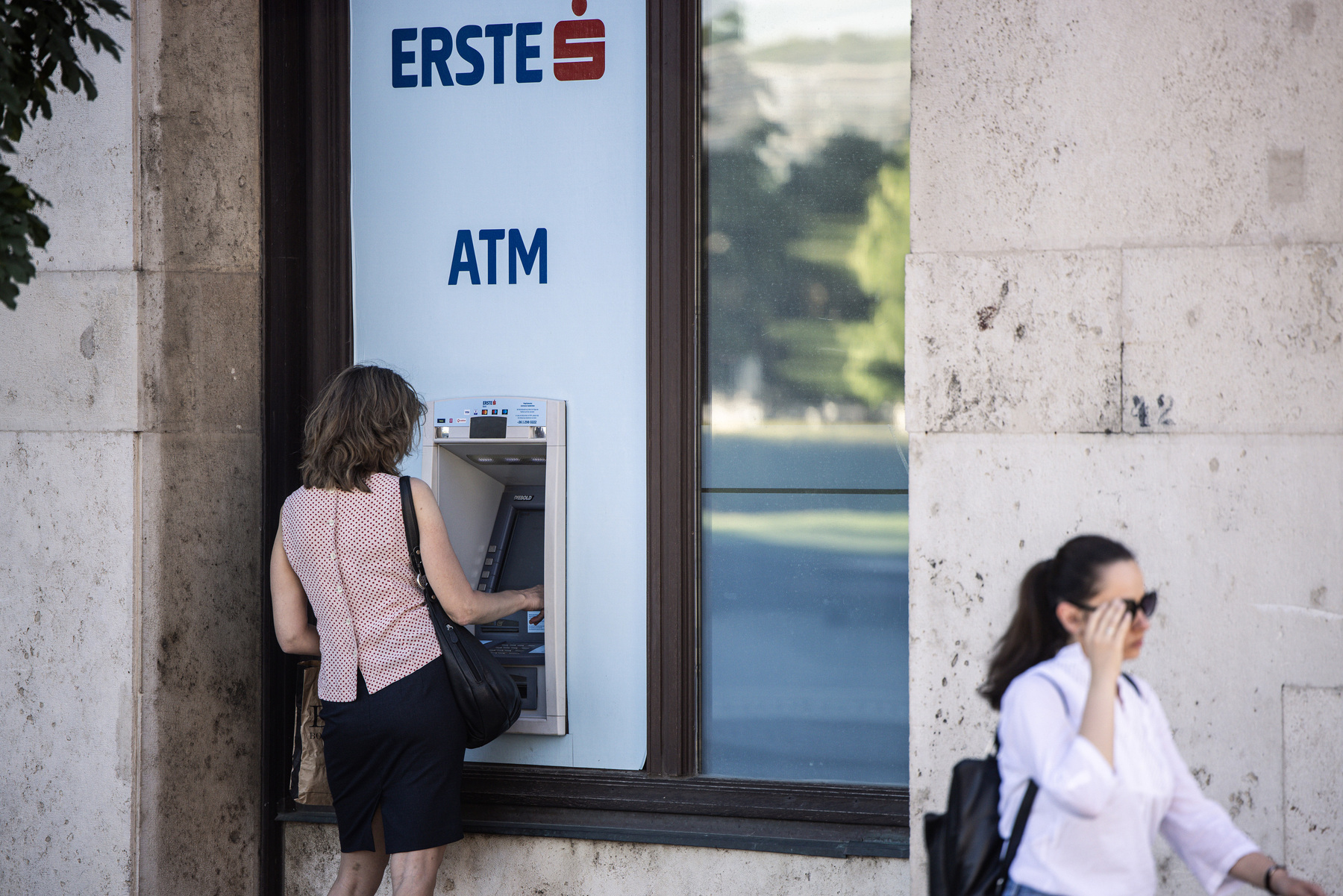
Erste Group, active in Hungary since 1997, has also been significantly impacted. The bank faced a government decree mandating ATM installations in every municipality to ensure cash availability. Furthermore, a windfall tax originally intended for 2022 and 2023 has been extended to 2026. In the past year, Erste Group's burden from Hungarian bank levies amounted to 175 million euros, with regular bank taxes contributing 48 million euros of that total.
If you want to be active in a market, you have to accept the framework conditions, including the political ones.
DistantNews Editorial
Originally published by Die Presse in German. Translated, summarized, and contextualized by our editorial team with added local perspective. Read our editorial standards.
More Stories


From Our Blog

What Gets Lost (and Found) When News Is Translated

The Critical Role of Diaspora Media in Global News

What Travellers Should Know About Countries with Restricted Press

A Digital Nomad's Guide to Following Local News

How the Same Story Looks Different in Different Countries
