



Hungarians staged a democratic uprising
Translated from Finnish, summarized and contextualized by DistantNews.
TLDR
- Hungarian opposition leader Péter Magyar has led his Tisza party to a significant electoral victory, challenging Viktor Orbán's long-standing Fidesz party.
- The win is seen as a turning point, potentially shifting Hungary closer to the EU and signaling a setback for national conservatives globally.
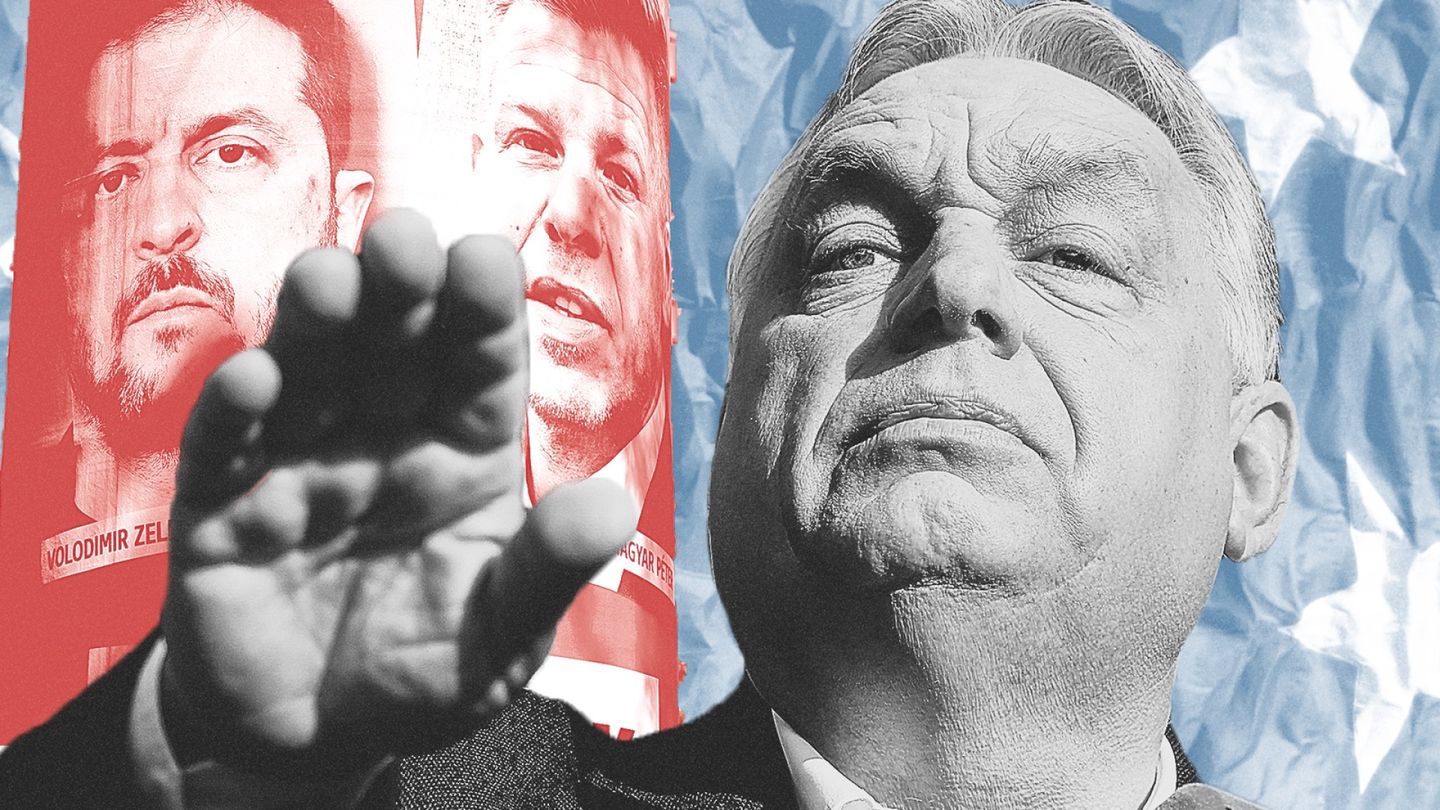
Budapest – Hungary has witnessed a seismic political shift as opposition leader Péter Magyar and his Tisza party secured a decisive electoral victory, dismantling the seemingly unassailable system built by Viktor Orbán over years. This outcome marks a significant turning point not only for Hungary but also for the broader European political landscape.
Hungary shows that authoritarian power ultimately only lasts as long as the people benefit and the elite remain united.
Magyar, who emerged from within Orbán's political sphere, successfully united a broad coalition, attracting not only traditional opposition voters but also disillusioned conservatives weary of corruption. The high voter turnout underscores the public's desire for change, with Magyar's popularity extending beyond the capital. His victory signals a potential return for Hungary to a more pro-European Union stance, moving away from Orbán's increasingly isolated path.
Orbán's corrupt system's credibility eroded, and Hungary will return closer to the EU's core line under the pro-EU Magyar.
The defeat is a blow to the global network of national conservatives, impacting figures like former US President Donald Trump, whose allies actively campaigned for Orbán. It also signifies a loss for the Kremlin's influence within EU discussions. Orbán's campaign, focused on themes of global conservatism and the war in Ukraine, failed to resonate with voters primarily concerned with their economic well-being, healthcare, and public services.
Orbán made a series of mistakes of a leader who was in love with and accustomed to his own power.
Magyar's strategic approach, focusing on economic issues and speaking the language of conservatives, proved more effective than Orbán's perceived arrogance and misreading of voter concerns. The elite within Orbán's Fidesz party fractured, with some politicians and business figures shifting their allegiance. Hungary's experience demonstrates that the rise of populism is not inevitable and that authoritarian systems can be fragile, especially when they fail to deliver tangible benefits to their citizens.
Magyar won on his own turf against Orbán.
DistantNews Editorial
Originally published by Helsingin Sanomat in Finnish. Translated, summarized, and contextualized by our editorial team with added local perspective. Read our editorial standards.
More Stories


From Our Blog

What Gets Lost (and Found) When News Is Translated

The Critical Role of Diaspora Media in Global News

What Travellers Should Know About Countries with Restricted Press

A Digital Nomad's Guide to Following Local News

How the Same Story Looks Different in Different Countries
