


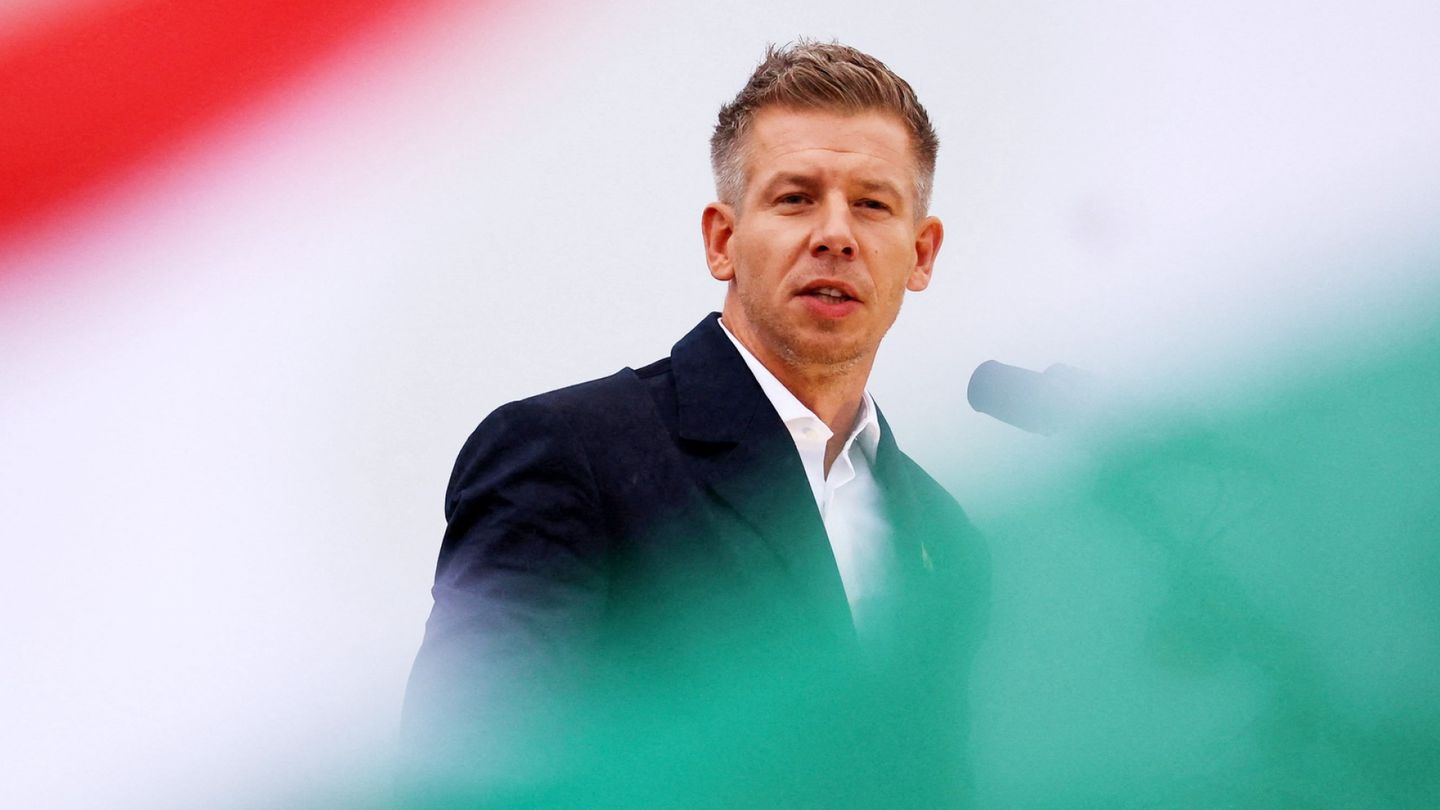
Hungary's Elections: Can Hungary Change After Orbán?
Translated from Finnish, summarized and contextualized by DistantNews.
TLDR
- Péter Magyar's opposition has won the Hungarian elections, signaling a potential shift away from Viktor Orbán's "illiberal" system.
- Orbán's 16-year rule established a system where judiciary and media served the ruling Fidesz party, and he increasingly hindered EU decisions regarding Ukraine and Russian sanctions.
- The election outcome offers hope in Brussels and other EU capitals for Hungary to abandon its pro-Russia stance and restore the rule of law.
The recent Hungarian elections have delivered a significant victory for opposition leader Péter Magyar, sparking a wave of optimism in Brussels and across European capitals. This outcome is seen as a potential turning point, offering hope that Hungary may finally pivot away from its increasingly Russia-aligned and rule-of-law-undermining trajectory under Viktor Orbán.
For 16 years, Prime Minister Viktor Orbán meticulously constructed what he termed an "illiberal" system. Within this framework, the judiciary and media were systematically co-opted to serve the interests of the ruling Fidesz party. In recent years, Orbán's government also became a significant obstacle, actively slowing down and blocking crucial EU decisions, particularly those concerning support for Ukraine and the imposition of economic sanctions against Russia.
Magyar's win is being hailed not merely as a change of government but as a potential regime change. The challenge ahead is immense. Restoring the rule of law and disentangling the deeply entrenched Fidesz influence will be a monumental task. The question now is whether Hungary, under new leadership, can truly reintegrate into the core values of the European Union and shed the isolationist policies that have characterized the Orbán era.
DistantNews Editorial
Originally published by Helsingin Sanomat in Finnish. Translated, summarized, and contextualized by our editorial team with added local perspective. Read our editorial standards.
More Stories
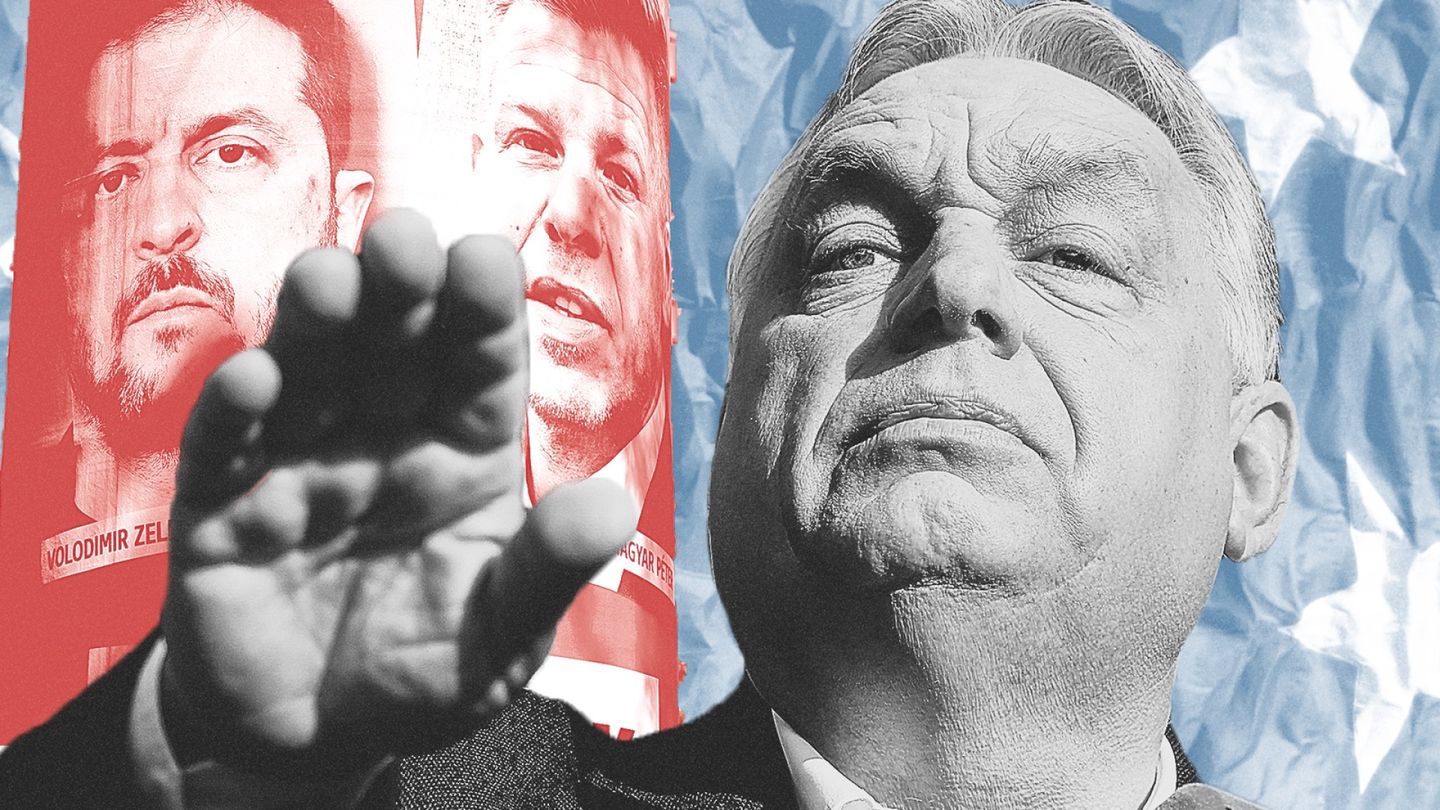


From Our Blog

What Gets Lost (and Found) When News Is Translated

The Critical Role of Diaspora Media in Global News

What Travellers Should Know About Countries with Restricted Press

A Digital Nomad's Guide to Following Local News

How the Same Story Looks Different in Different Countries
