

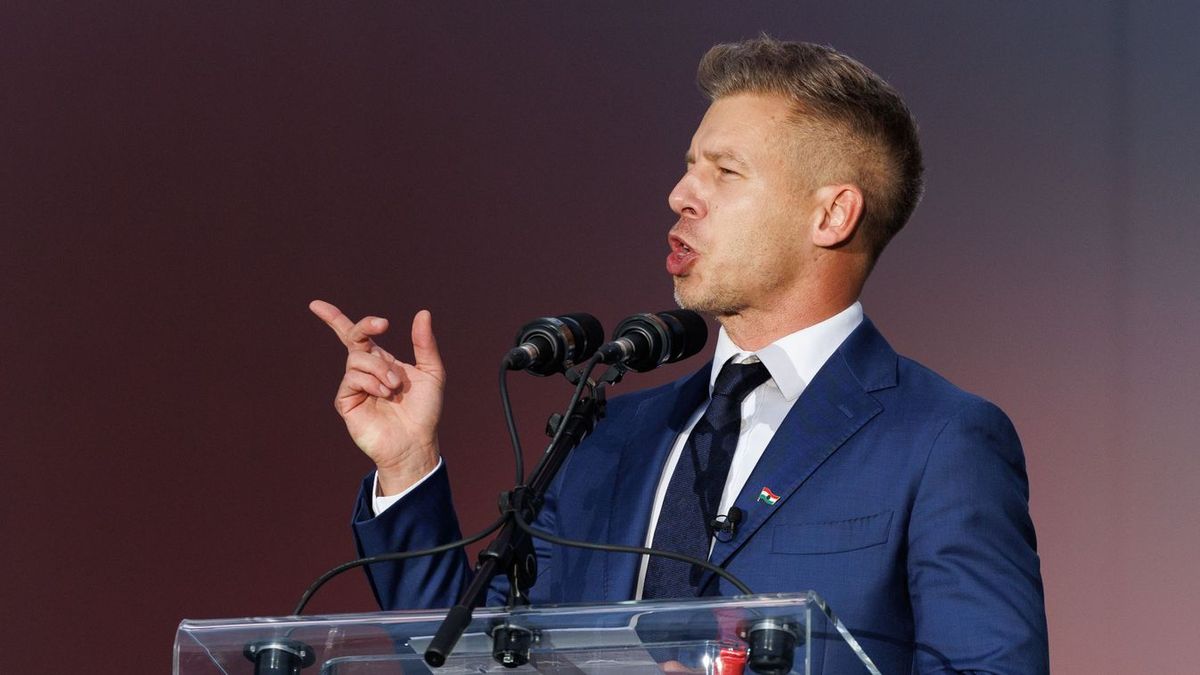
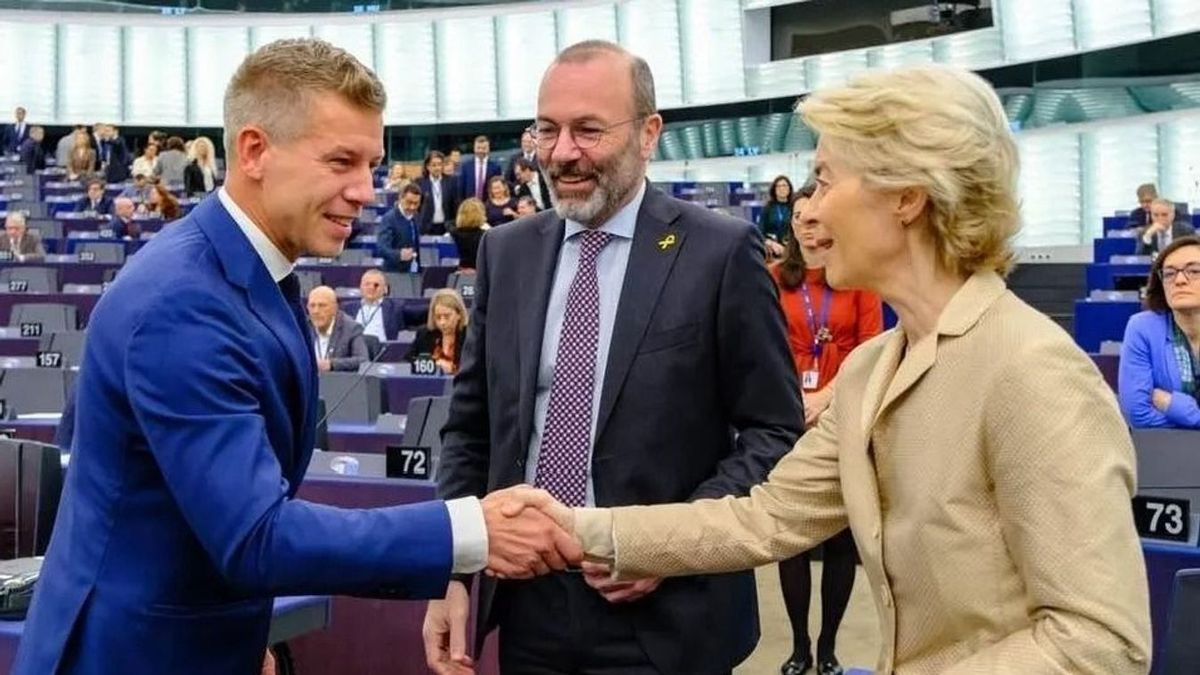
Hungary's Péter Magyar: A Political Newcomer on the European Stage
Translated from Hungarian, summarized and contextualized by DistantNews.
TLDR
- Péter Magyar, a rising political figure in Hungary, is poised to enter the European political arena, but faces significant challenges due to his inexperience in international diplomacy.
- Magyar's party, Tisza, has gained traction among young voters, but the author warns that they may be basing their support on incomplete information.
- His upcoming foreign trips to Warsaw, Vienna, and Brussels are seen as strategic moves to establish Hungary's new political direction, likely aligning more closely with the EU mainstream.
Péter Magyar has emerged as a significant force in Hungarian politics, capturing the attention of young voters with his promises of change. However, as he prepares to step onto the European stage, his lack of experience in international diplomacy presents a considerable hurdle. The author of this piece, writing for Magyar Nemzet, draws a parallel to the early days of Hungary's post-communist transition, suggesting that youthful idealism, while potent, can be susceptible to misinformation and may not always translate into effective governance.
Magyar's supporters, particularly the young demographic drawn to his Tisza party, are urged to consider the complex global and European economic and foreign policy factors that influence even powerful nations. The article highlights that Magyar, despite his domestic successes, is a novice in the rough-and-tumble world of European politics. He will be the youngest member of the European Council and will need to quickly adapt to negotiating with seasoned leaders like Viktor Orbán, who has long been a dominant figure in EU affairs. The upcoming negotiations on the EU's 2028-2034 budget, which will significantly impact Hungarian farmers and regions, will be a critical test of Magyar's ability to represent Hungary's interests effectively.
Magyar's planned initial foreign visits to Warsaw, Vienna, and Brussels are strategically sound, avoiding immediate confrontation with Brussels or Kyiv. This approach suggests an intention to pivot Hungary towards the EU mainstream, a move likely supported by influential figures within the European People's Party and Franco-German leadership. The article implies that this shift could lead to the release of frozen EU funds and a more cooperative relationship with the bloc, signaling an end to the Orbán government's previous obstructionist tactics, such as vetoing aid to Ukraine over oil pipeline disputes. Magyar Nemzet, reflecting a conservative viewpoint, frames this potential realignment as a necessary step for Hungary's integration into the broader European political and economic framework.
DistantNews Editorial
Originally published by Magyar Nemzet in Hungarian. Translated, summarized, and contextualized by our editorial team with added local perspective. Read our editorial standards.
More Stories
From Our Blog

Countries Without a Free Press: What You Need to Know

What Press Freedom Means for the News You Read

What Gets Lost (and Found) When News Is Translated

The Critical Role of Diaspora Media in Global News

What Travellers Should Know About Countries with Restricted Press
