


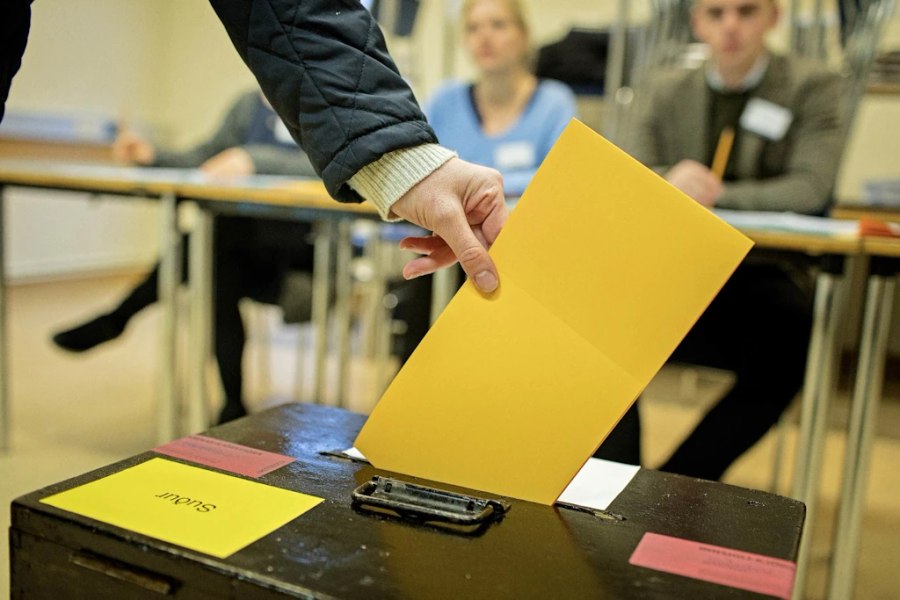
Iceland Decides on EU Membership Talks: Referendum Could Reshape the Nation
Translated from Romanian and summarized by DistantNews. Read the original for the full story.
At a glance
News
Sources not specified
Approved/passed
- Icelanders are voting in a referendum on whether to resume EU membership negotiations after a 13-year suspension.
- The vote is close, with recent polls showing a slight lead for the campaign against resuming talks, though earlier polls favored resuming them.
- A 'Yes' vote would support restarting the process, but a final decision would require another referendum and parliamentary approval, while a 'No' vote does not preclude future negotiations.
Icelanders are heading to the polls in a pivotal referendum that could determine the nation's future relationship with the European Union. The vote asks whether the country should resume membership negotiations, a process suspended 13 years ago.
The outcome appears uncertain, with the latest opinion polls indicating a narrow lead for those opposing the resumption of talks. However, earlier surveys had suggested a majority in favor of re-engaging with the EU. The current center-left government, led by Prime Minister Kristrún Frostadóttir, decided to hold the referendum, advancing the date due to the turbulent international climate.
At stake is Iceland's potential full integration into the EU. While Iceland already participates in the EU's single market and the Schengen Area, full membership would mean joining the customs union and eventually adopting the euro. The country's application was advanced before the 2013 suspension, with the European Commission having previously estimated that negotiations could be concluded within one to two years.
Key to the debate is national sovereignty, particularly concerning Iceland's vital fishing industry, which accounts for nearly 40% of the country's exports. Opponents fear that joining the EU would lead to a loss of control over valuable fishing grounds under the EU's Common Fisheries Policy. A 'Yes' vote would signal support for restarting the accession process, but any final agreement would still require a second referendum and parliamentary approval, along with the consent of all 27 EU member states. Conversely, a 'No' vote would not permanently close the door on future negotiations.
About this summary
Originally published by Adevărul in Romanian. Translated, summarized, and contextualized automatically by DistantNews, with a note on how the source frames the story. Not individually reviewed before publishing. How this works.
More Stories

From Our Blog

What Gets Lost (and Found) When News Is Translated

The Critical Role of Diaspora Media in Global News

What Travellers Should Know About Countries with Restricted Press

A Digital Nomad's Guide to Following Local News

How the Same Story Looks Different in Different Countries
