


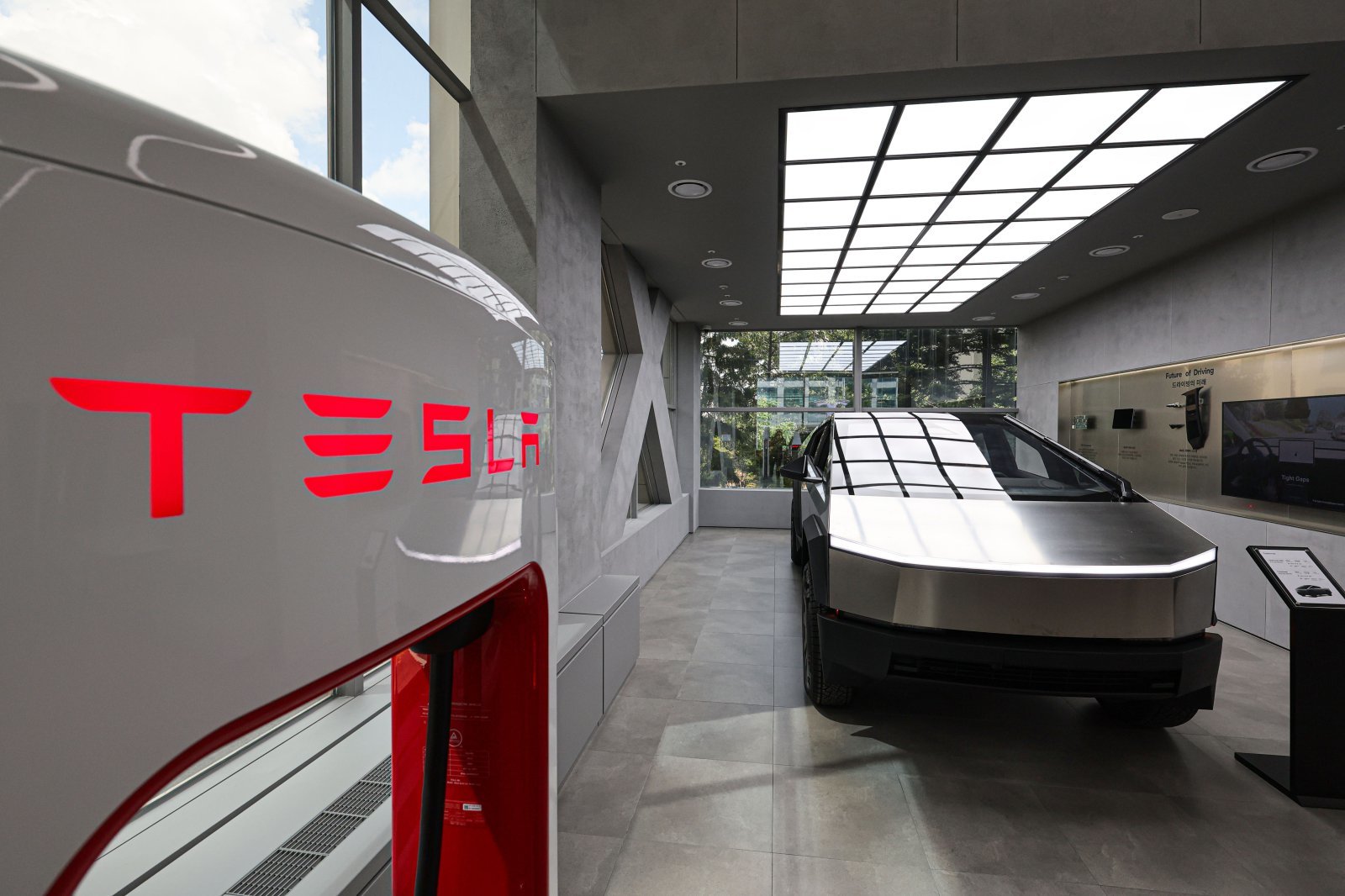
Illegal Tesla Full Self-Driving Activations Reported in South Korea
Translated from Korean, summarized and contextualized by DistantNews.
TLDR
- Tesla's Full Self-Driving (FSD) feature is being illegally activated in South Korea on models not intended for it, such as Chinese-made Model 3s.
- FSD is legally restricted to US-made Model S and X, and Cybertrucks due to safety certification requirements for Chinese-made vehicles.
- Despite legal restrictions and Tesla's software updates, attempts to bypass FSD activation continue, with authorities citing potential violations of the Automobile Management Act.
An alarming trend of illegal activations of Tesla's Full Self-Driving (FSD) capability is emerging in South Korea, targeting vehicles not authorized to use the advanced driver-assistance system. Reports indicate that 85 instances of such attempts have been recorded, primarily involving Chinese-manufactured Tesla models like the Model 3, which are barred from using FSD due to stringent safety certification requirements. This contrasts sharply with US-made vehicles, such as the Model S and X, which can legally utilize FSD under the Korea-US Free Trade Agreement.
The core of the issue lies in regulatory compliance. While US-made Teslas are exempt from certain domestic certifications under the FTA, Chinese-made models must undergo rigorous safety assessments that they have not passed for FSD integration. Consequently, only a small fraction, approximately 2.4%, of the total Tesla fleet registered in South Korea is legally equipped to use FSD. The persistent attempts to circumvent these regulations by Tesla owners highlight a significant demand for the technology, but also a disregard for the legal framework designed to ensure vehicle safety.
Authorities are flagging these unauthorized activations as violations of the Automobile Management Act, which prohibits the arbitrary modification or installation of software that could affect safe driving. Penalties can include imprisonment or hefty fines. While the Ministry of Land, Infrastructure, and Transport has initiated investigations and Tesla Korea has responded with software updates, critics argue these measures are insufficient to prevent future bypass attempts. Furthermore, privacy laws complicate the government's ability to identify and track individual violators, creating a challenging enforcement landscape. This situation underscores the complex interplay between technological advancement, consumer demand, and regulatory oversight in the rapidly evolving automotive industry.
DistantNews Editorial
Originally published by Dong-A Ilbo in Korean. Translated, summarized, and contextualized by our editorial team with added local perspective. Read our editorial standards.
More Stories


From Our Blog

What Gets Lost (and Found) When News Is Translated

The Critical Role of Diaspora Media in Global News

What Travellers Should Know About Countries with Restricted Press

A Digital Nomad's Guide to Following Local News

How the Same Story Looks Different in Different Countries
