


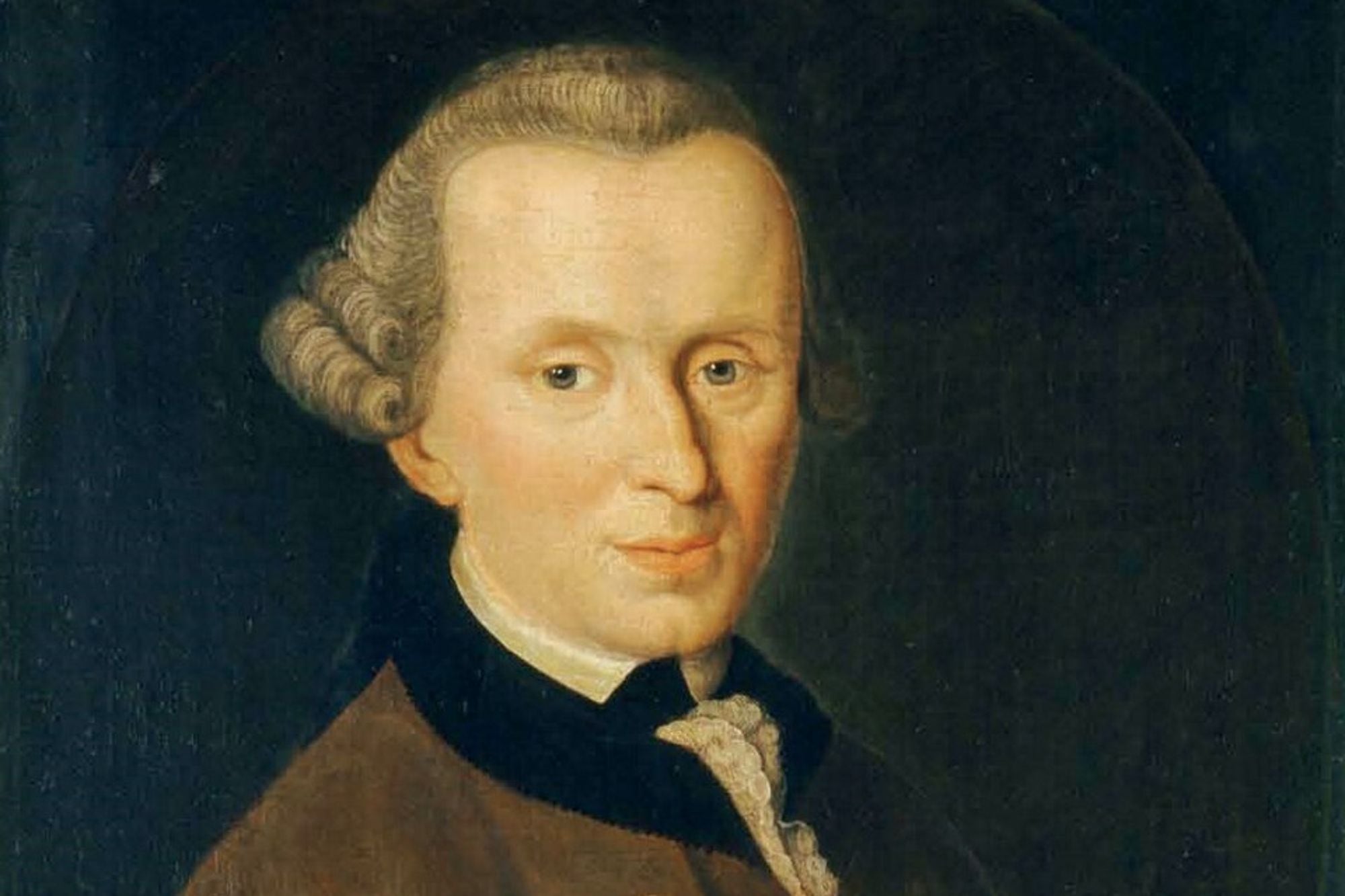
Immanuel Kant: “If you punish a child for being bad and reward him for being good, he will do the right thing only for the reward”
Translated from Spanish, summarized and contextualized by DistantNews.
TLDR
- Immanuel Kant's philosophy on moral education, emphasizing intrinsic motivation over external rewards, is gaining contemporary relevance.
- Kant argued that systems of rewards and punishments risk creating individuals who act out of convenience rather than conviction.
- His concept of the Categorical Imperative suggests acting morally because it is right, not for potential benefits, fostering autonomous ethical beings.
The enduring wisdom of Immanuel Kant on moral education continues to resonate deeply in contemporary pedagogical discussions. His assertion that rewarding good behavior and punishing bad behavior may lead children to act solely for external gain, rather than from a genuine understanding of right and wrong, challenges conventional approaches to upbringing.
As highlighted by The Economic Times, Kant's philosophy posits that such a system risks cultivating individuals who prioritize personal benefit over ethical principles. This transactional approach to morality, where actions are contingent on guaranteed rewards, can foster adults who lack a strong internal moral compass. Kant's distinction between the hypothetical imperative (acting for a reward) and the categorical imperative (acting because it is the right thing to do) is crucial here.
From our perspective at La Nación, Kant's insights are particularly pertinent today. The psychological consequences of relying on external validation for moral behavior are significant, potentially eroding intrinsic motivation. When parents or educators resort to 'emotional bribery,' they inadvertently instill a transactional mindset in children. Kant's ideal was to nurture autonomous individuals, guided by self-imposed principles rooted in logic and empathy, rather than those dependent on external approval or the fluctuating guarantees of reward.
Kant's own life, marked by a rigorous pietistic upbringing and an unwavering academic discipline in his native Königsberg, deeply informed his philosophy of duty and autonomy. His work fundamentally reshaped modern epistemology by synthesizing rationalism and empiricism. Understanding his moral philosophy requires appreciating this context – a life dedicated to reason and ethical rigor, which aimed to cultivate free beings capable of adhering to universal principles, not merely seeking personal advantage. This focus on autonomous ethical decision-making, rather than conditional behavior, remains a vital lesson for educators and parents alike.
DistantNews Editorial
Originally published by La Nación in Spanish. Translated, summarized, and contextualized by our editorial team with added local perspective. Read our editorial standards.
More Stories



From Our Blog

What Gets Lost (and Found) When News Is Translated

The Critical Role of Diaspora Media in Global News

What Travellers Should Know About Countries with Restricted Press

A Digital Nomad's Guide to Following Local News

How the Same Story Looks Different in Different Countries
