

IMO Chief Warns of 'Severe Crisis' as Hormuz Blockade Traps 1,500 Ships
Translated from Spanish, summarized and contextualized by DistantNews.
TLDR
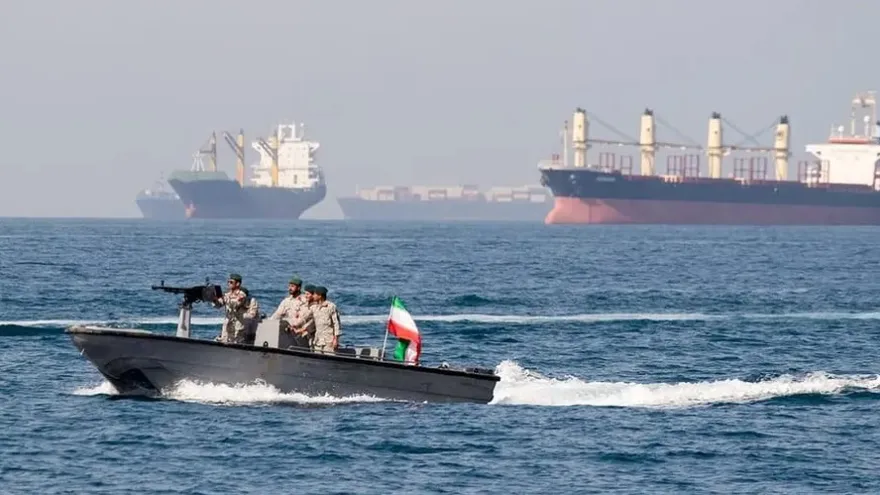
- The head of the International Maritime Organization warned of a severe crisis due to the blockade in the Strait of Hormuz, where 1,500 ships and over 20,000 crew members are trapped.
- This disruption poses a significant risk to global maritime trade and supply chains, impacting essential supplies like water, food, and fuel, and potentially affecting food security due to the blockage of critical cargo including oil, gas, and fertilizers.
- In light of this, Panama's Maritime Chamber highlighted the nation's responsibility in global maritime connectivity, especially through the Panama Canal, while the IMO works on a humanitarian corridor for affected crews, contingent on hostilities ceasing.
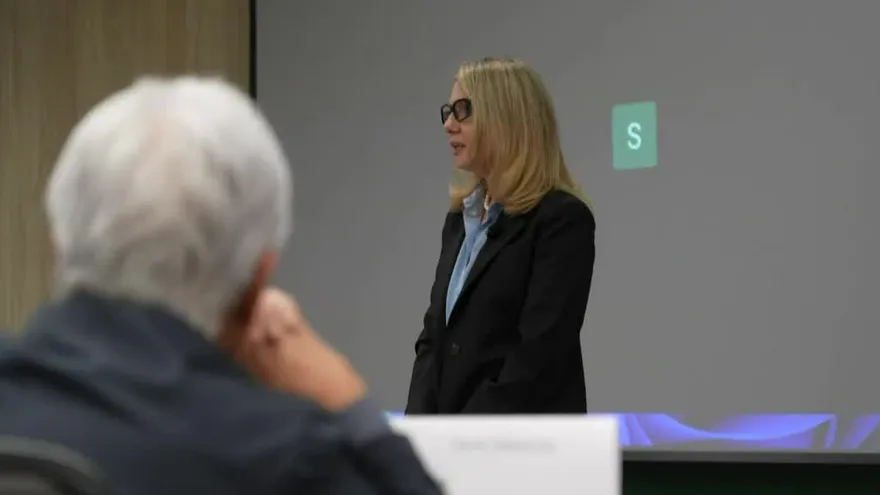
The International Maritime Organization (IMO) has sounded the alarm over the escalating crisis in the Strait of Hormuz, a vital artery for global trade. Secretary General Arsenio Domínguez's stark warning during the Maritime Convention of the Americas 2026 paints a grim picture: 1,500 ships and over 20,000 crew members are currently trapped, facing dire shortages of essential supplies and the severe mental toll of prolonged uncertainty.
While more longer this conflict lasts, the more the concern grows about the lack of supply of essential matters that they need like water, food, and even fuel, for the ships to continue navigating within this region; that is something that I have been working very closely with all countries so that they provide that type of assistance, because the longer they are there the more they will suffer from mental health, fatigue, and uncertainty that comes with all of this.
Domínguez emphasized the far-reaching consequences of this blockade, noting that over 80% of maritime cargo consists of everyday goods. The disruption not only threatens the flow of oil, liquefied gas, automobiles, chemicals, and fertilizers—critical for global food security—but also highlights the fragility of international supply chains. The IMO is actively working on establishing a humanitarian corridor for the stranded crews, but its activation hinges on the cessation of hostilities and the restoration of safe passage.
What we cannot do is really transport the basic cargo that comes from this area, we are talking about 20% of crude oil, 19% liquefied gas, 9% automobiles, and above all that 13% of chemicals and fertilizers that will have a long-term impact on food security.
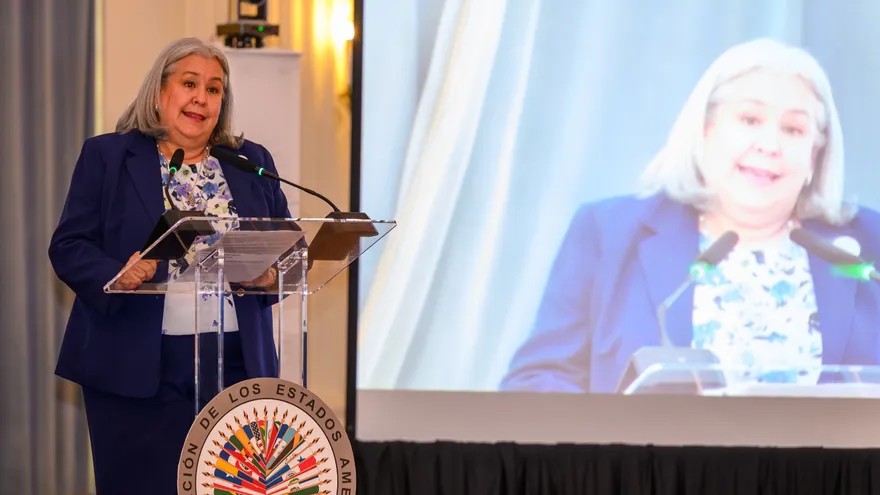
Panama, a nation intrinsically linked to global maritime commerce through its iconic canal, acknowledges the current climate of uncertainty. René Gómez, president of the Maritime Chamber of Panama, stressed the country's commitment to international trade and its readiness to adapt to the evolving landscape of energy transition and supply chain pressures. While the global focus remains on the geopolitical implications and economic fallout, Panama's perspective underscores its pivotal role in ensuring maritime connectivity, especially when strategic chokepoints like Hormuz are under threat. The nation's resilience and adaptability are key to navigating these turbulent times, ensuring that vital trade routes, including the Panama Canal, remain operational and secure.
Today we live in times of uncertainty, pressure on the supply chain, and energy transition. We also live in a moment of great opportunities for countries willing to evolve.
DistantNews Editorial
Originally published by TVN Panamá in Spanish. Translated, summarized, and contextualized by our editorial team with added local perspective. Read our editorial standards.
More Stories

From Our Blog

What Gets Lost (and Found) When News Is Translated

The Critical Role of Diaspora Media in Global News

What Travellers Should Know About Countries with Restricted Press

A Digital Nomad's Guide to Following Local News

How the Same Story Looks Different in Different Countries
