


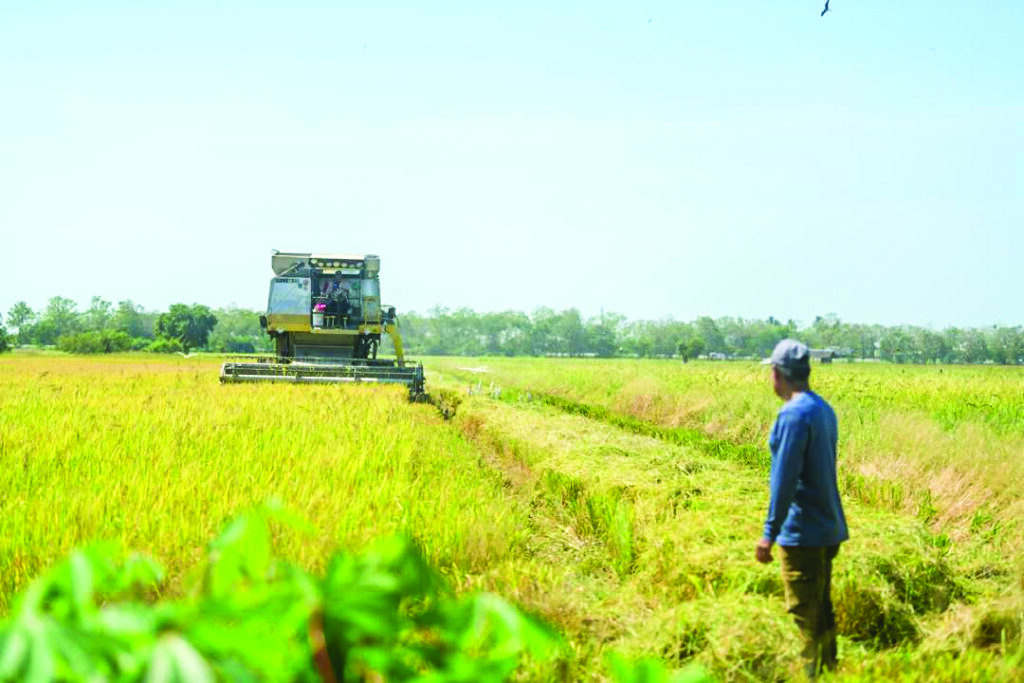
Improve padi industry before discussing price
Translated from Malay, summarized and contextualized by DistantNews.
TLDR
- A proposal to increase the government's minimum purchase price for padi (paddy) to RM3,000 per metric ton is deemed unrealistic by the Malaysian Malay Rice Millers Association (PPBMM) if fundamental industry issues remain unresolved.
- PPBMM Chairman Mohamad Termizi Yop stressed that improvements in input costs, fertilizer quality, irrigation systems, and seed quality are crucial for increasing padi production and farmer income.
- The association argues that focusing solely on price hikes without addressing these basic production elements will not yield comprehensive benefits for the industry, and suggests increasing subsidies instead.
The recent political promise by Perikatan Nasional (PN) to raise the minimum purchase price for padi to RM3,000 per metric ton has sparked significant debate within Malaysia's rice industry. While seemingly beneficial on the surface, industry stakeholders, particularly rice millers, are raising critical concerns about the feasibility and potential repercussions of such a move.
If these basic matters are not resolved, the price increase will not have a comprehensive effect.
The Malaysian Malay Rice Millers Association (PPBMM), through its chairman Mohamad Termizi Yop, has voiced strong reservations, labeling the RM3,000 target as "unrealistic" without addressing the core issues plaguing padi production. Termizi emphasizes that fundamental problems related to input costs, the quality of fertilizers, effective irrigation management, and the use of superior padi seeds must be resolved first. He argues that without these improvements, a price increase alone will not lead to a comprehensive upliftment of the industry or significantly boost farmers' incomes.
It's not just about the price, but input materials like fertilizer that are not of good quality need to be improved. Irrigation systems, rainwater management, and padi seeds also play an important role. In some cases, padi does not grow at all due to these factors.
Instead of a drastic price hike, the PPBMM suggests a more pragmatic approach: increasing subsidies for padi farmers. This alternative is seen as a more sustainable way to support farmers without causing potentially destabilizing effects on the market. Concerns have been raised that implementing the RM3,000 price could lead to a sharp increase in rice prices, with projections suggesting a 10kg bag could cost as much as RM60, a burden that would disproportionately affect consumers. The focus, therefore, should be on enhancing the foundational aspects of padi cultivation to ensure long-term viability and profitability for all involved.
The proposed price of RM3,000 per metric ton is unrealistic if improvements to the basic padi and rice industry are not made first.
DistantNews Editorial
Originally published by Utusan Malaysia in Malay. Translated, summarized, and contextualized by our editorial team with added local perspective. Read our editorial standards.
More Stories


From Our Blog

What Gets Lost (and Found) When News Is Translated

The Critical Role of Diaspora Media in Global News

What Travellers Should Know About Countries with Restricted Press

A Digital Nomad's Guide to Following Local News

How the Same Story Looks Different in Different Countries
