

Independence and Stability to Mark New Public Ministry Leadership, Analysts Indicate
Translated from Spanish, summarized and contextualized by DistantNews.
TLDR
- Gabriel Estuardo García Luna has been appointed Guatemala's new Attorney General for the 2026-2030 term, a decision analysts believe will foster independence and stability within the Public Ministry.
- Analysts noted García Luna's profile distinguished him from other candidates, making his selection by President Bernardo Arévalo a predictable outcome.
- The timely appointment is seen as a move to prevent potential sabotage attempts by groups seeking to obstruct the process, ensuring institutional continuity.
Guatemalans have closely watched the process of selecting a new Attorney General, a position critical for upholding justice and combating corruption. The appointment of Gabriel Estuardo García Luna by President Bernardo Arévalo is being viewed with cautious optimism, particularly by those who advocate for institutional strengthening.
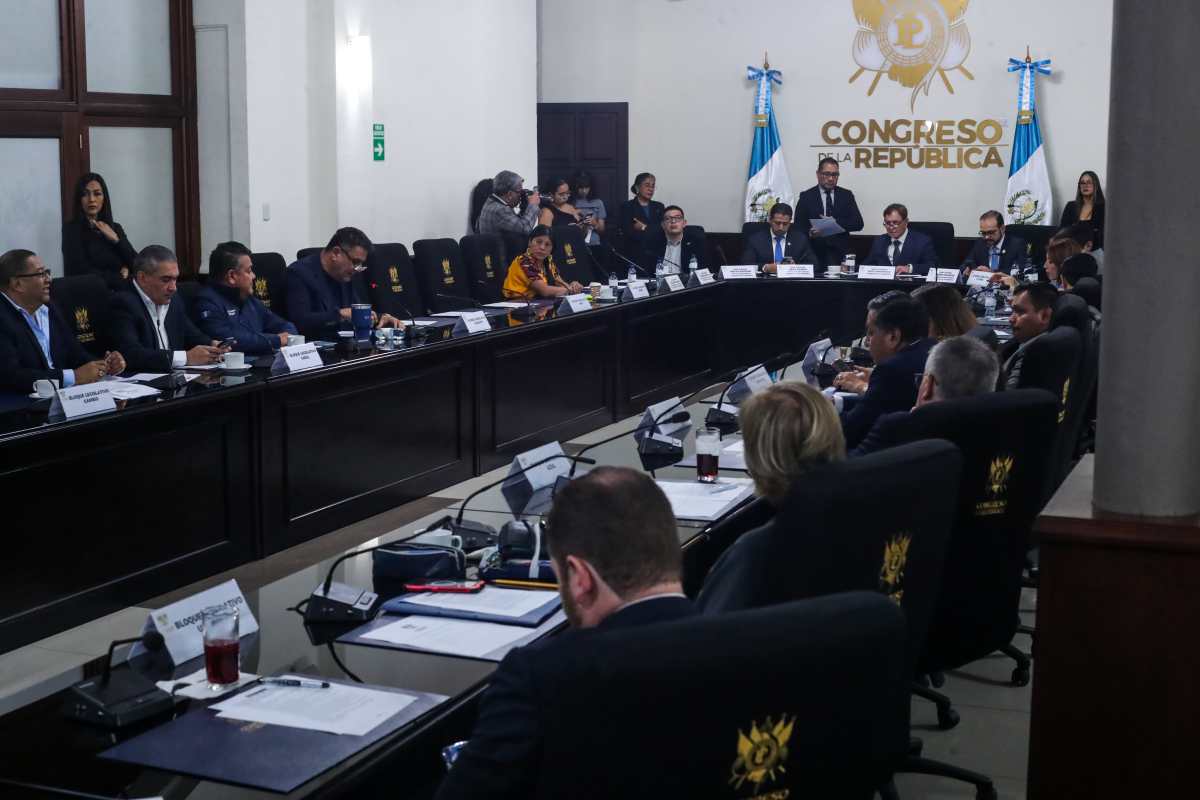
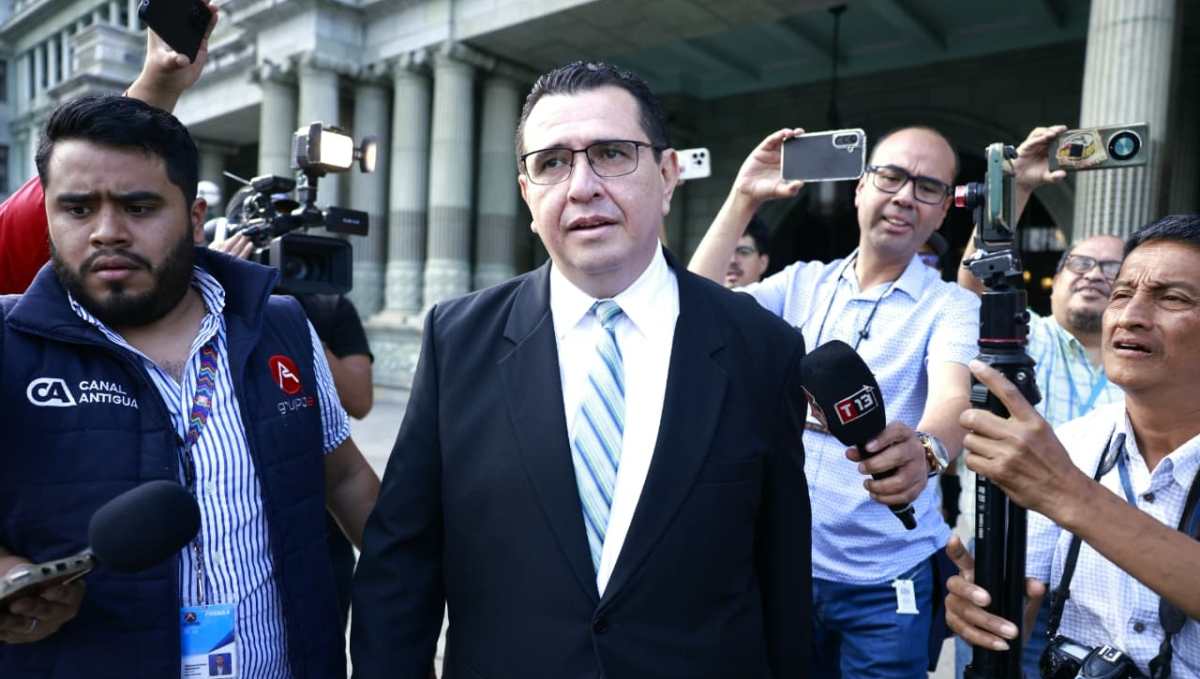
The appointment of Gabriel Estuardo García Luna as the new Attorney General and head of the Public Ministry (MP) for the 2026-2030 period has generated expectations among various sectors of society, who have spoken out about the process carried out by President Bernardo Arévalo, which, they assure, is important for the 'maintenance of institutionalism' in the country.
Analysts like Carmen Aída Ibarra and Renzo Rosal highlight that García Luna's name had been circulating since 2024, indicating a potential shift in leadership within the Public Ministry. His inclusion in previous candidate lists suggests a degree of familiarity and perhaps a perceived alignment with the need for reform, distinguishing him from other contenders.
The president's decision, made after confirming no challenges to the candidate list, is interpreted as a strategic move to preemptively block any attempts at obstruction. This aspect is particularly significant in Guatemala, where political maneuvering can often derail important appointments, underscoring the fragility of institutional processes.
García Luna was mentioned since 2024 when everyone thought the president was going to dismiss Consuelo Porras. Everyone expected that from that list—from 2022—where García Luna, Henry Elías Wilson, Néctor Guilebaldo de León, Darleene Monge, and Jorge Luis Donado were included, the president would choose García Luna to complete Porras's term.
From a Guatemalan perspective, the emphasis on "institutionalidad" (institutionalism) and stability is paramount. The Public Ministry's role is not just to prosecute crimes but to act as a bulwark against impunity. The hope is that García Luna's tenure will usher in an era of objective, independent investigations, free from the political pressures that have often plagued the institution. This contrasts with how such appointments might be viewed internationally, where the focus might be on legal technicalities rather than the deep-seated political dynamics at play locally.
It was quite clear that of the six candidates, Mr. García Luna was the profile that stood out from the other five and was the one one could think, a priori, as having the most possibilities of being elected. The timing was relatively adequate. Making the appointment last Monday helped prevent sabotage actions and the filing of appeals before the Constitutional Court.
DistantNews Editorial
Originally published by Prensa Libre in Spanish. Translated, summarized, and contextualized by our editorial team with added local perspective. Read our editorial standards.
More Stories
From Our Blog

What Gets Lost (and Found) When News Is Translated

The Critical Role of Diaspora Media in Global News

What Travellers Should Know About Countries with Restricted Press

A Digital Nomad's Guide to Following Local News

How the Same Story Looks Different in Different Countries
