

Inflation Hits Double Digits for First Time in 21 Months
Translated from English, summarized and contextualized by DistantNews.
TLDR
- Consumer inflation in Pakistan reached double digits in April, rising nearly 11% year-on-year for the first time in 21 months.
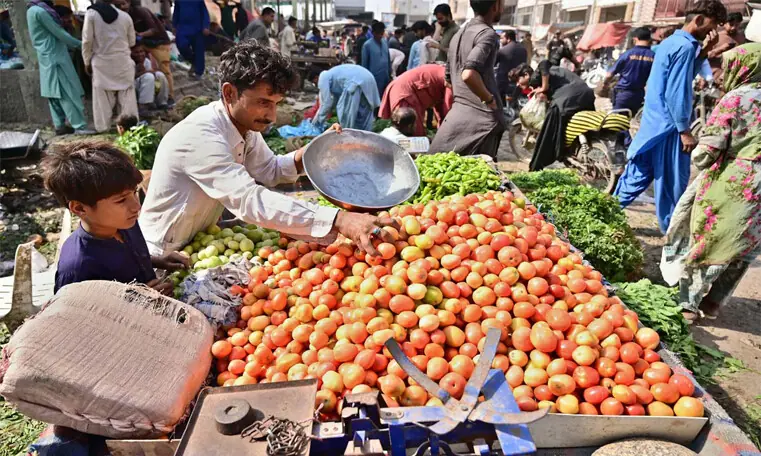
- Sharp increases in transport costs (15.47%) and perishable food prices (15.25%) drove the surge.
- The State Bank of Pakistan raised its policy rate to 11.50% in response, a move criticized by some economists as inappropriate for supply-driven inflation.
Pakistan's economy is facing a renewed inflationary onslaught, with consumer prices surging by nearly 11% in April. This marks the first time in 21 months that inflation has breached the double-digit threshold, signaling a deepening cost-of-living crisis for ordinary citizens. The primary culprits are soaring transport costs, up by over 15%, and a similar jump in prices for essential perishable food items, squeezing household budgets.
The situation is exacerbated by rising domestic energy tariffs, influenced by global supply chain disruptions, particularly the blockage of the Strait of Hormuz. Prime Minister Shehbaz Sharif highlighted the escalating oil import bill, underscoring the vulnerability of Pakistan's energy security. While some relief in wheat prices offers a glimmer of hope, the overall trend points towards a sustained erosion of purchasing power.
The United States triggered the global energy crisis through war in the Middle East, followed by Iran blocking the Strait of Hormuz, pushing up energy prices and fuelling global inflation.
In response, the State Bank of Pakistan has hiked its policy rate by 100 basis points to 11.50%. However, this decision has drawn criticism from former economic advisor Dr. Ashfaq H. Khan, who argues that raising interest rates is a demand-side tool ill-suited for tackling supply-driven inflation. He contends that such a move, potentially influenced by International Monetary Fund commitments, could worsen stagflation by increasing production costs and lowering output. This divergence in economic thinking underscores the complex challenges Pakistan faces in stabilizing its economy amidst global uncertainties.
interest rates are a demand-side tool, effective when demand exceeds supply. In a supply-driven inflation environment, tightening policy raises production costs, shifts supply inward and leads to higher prices and lower output, a situation described as stagflation.
DistantNews Editorial
Originally published by Dawn in English. Translated, summarized, and contextualized by our editorial team with added local perspective. Read our editorial standards.
More Stories



From Our Blog

What Gets Lost (and Found) When News Is Translated

The Critical Role of Diaspora Media in Global News

What Travellers Should Know About Countries with Restricted Press

A Digital Nomad's Guide to Following Local News

How the Same Story Looks Different in Different Countries
