

Iran Closes Strait of Hormuz Again, as Trump Warns Against ‘Blackmail’
Translated from English, summarized and contextualized by DistantNews.
TLDR
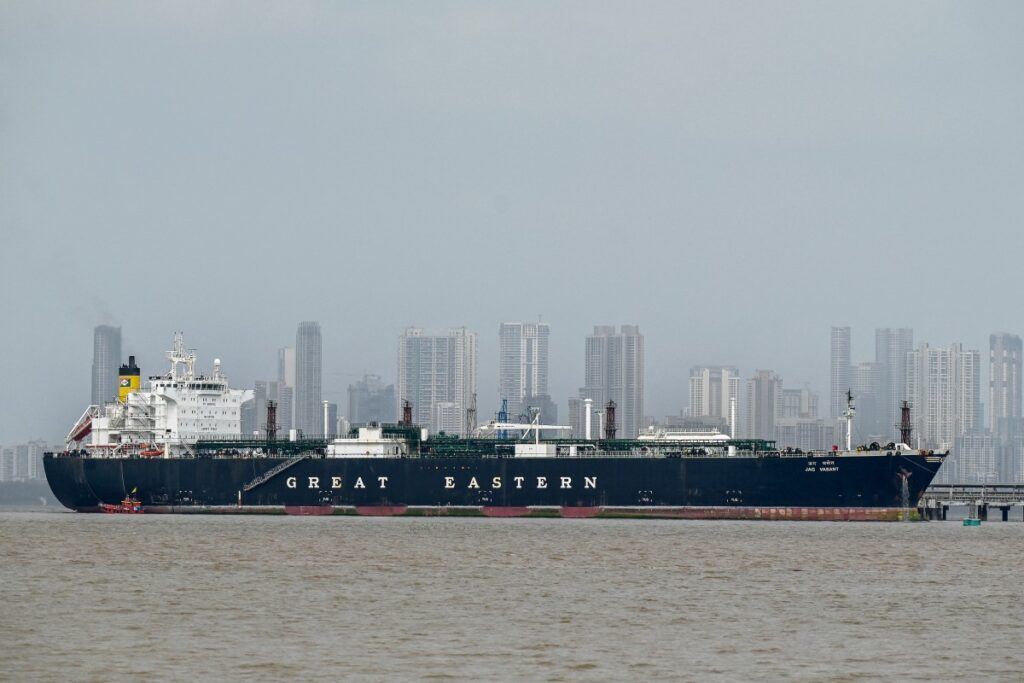
- Iran's military declared the Strait of Hormuz closed again, impacting global oil and gas transit.
- The move prompted President Donald Trump to warn Tehran against 'blackmail'.
- This follows a brief reopening of the strait after a ceasefire in the Israel-Hezbollah conflict, with Iran reviewing new US proposals amid ongoing tensions.
This report from the Jamaica Observer details the volatile situation surrounding the Strait of Hormuz, a critical chokepoint for global energy supplies. Iran's decision to close the strait again, directly in response to a US naval blockade, underscores the high-stakes geopolitical maneuvering between Tehran and Washington. The article captures President Trump's sharp warning against 'blackmail,' reflecting a confrontational stance from the US. From an Iranian perspective, as conveyed through statements from its deputy foreign minister, this action is framed as a response to an imposed 'siege' and a violation of a ceasefire, suggesting a justification for its assertive measures. The mention of Iran reviewing new US proposals adds a layer of complexity, indicating that diplomatic channels remain open, albeit fraught with tension. For readers in the Caribbean and beyond, this event highlights the fragility of global energy security and the persistent regional conflicts that can disrupt vital trade routes, impacting economies far beyond the immediate theater of operations.
control of the Strait of Hormuz has returned to its previous status and is under strict management and control of the armed forces.
DistantNews Editorial
Originally published by Jamaica Observer in English. Translated, summarized, and contextualized by our editorial team with added local perspective. Read our editorial standards.
More Stories
From Our Blog

What Gets Lost (and Found) When News Is Translated

The Critical Role of Diaspora Media in Global News

What Travellers Should Know About Countries with Restricted Press

A Digital Nomad's Guide to Following Local News

How the Same Story Looks Different in Different Countries
