


Iran Conflict Threatens Global Recession, IMF Warns
Translated from Finnish, summarized and contextualized by DistantNews.
TLDR
- The International Monetary Fund (IMF) has lowered its global economic growth forecast, citing the potential for a significant energy crisis due to the conflict in Iran.
- The IMF projects global growth at 3.1% for the year, with inflation accelerating to 4.4%, but warns of a potential recession if energy supply disruptions continue into next year.
- The report highlights three ways the energy crisis impacts the global economy: rising commodity prices, the risk of a price-wage spiral, and potential financial market turmoil.
The International Monetary Fund has issued a stark warning about the global economy, painting a grim picture of potential recession and soaring inflation. The IMF's latest forecast indicates a slowdown in global growth, with a significant risk of a downturn if the conflict in Iran escalates and disrupts energy supplies. This situation, the IMF notes, could lead to a severe energy crisis, pushing inflation higher and hindering economic expansion.
In the most severe scenario, the global economy plunges into recession and inflation accelerates above six percent.
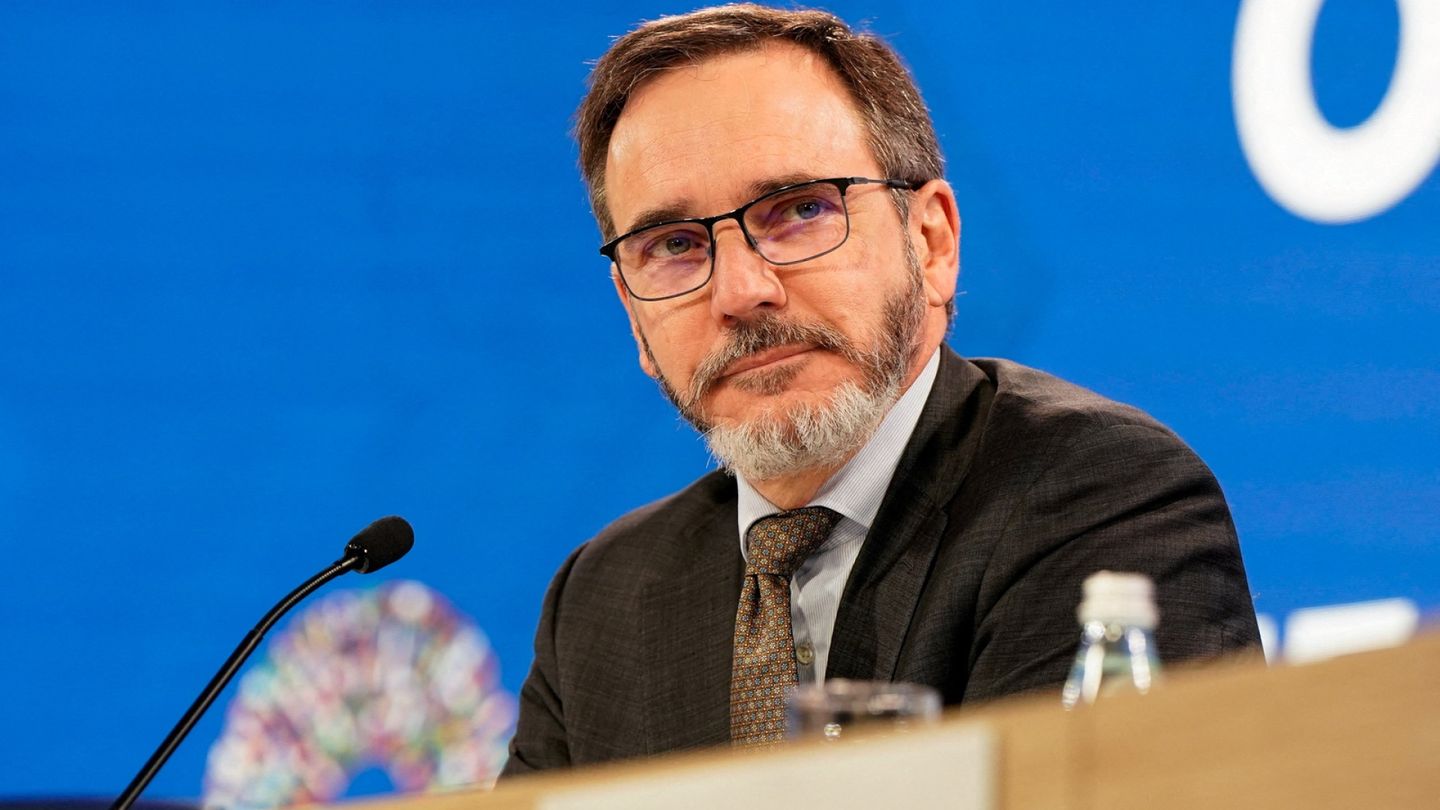
The fund's chief economist, Pierre-Olivier Gourinchas, specifically pointed to the potential closure of the Strait of Hormuz and damage to key energy production facilities as major concerns. These events could trigger a significant energy crisis, exacerbating the already challenging economic climate. The IMF's analysis suggests that prolonged hostilities could slow economic growth to 2.5% this year and push inflation to 5.4%. In a worst-case scenario, with energy supply disruptions extending into next year, global growth could fall to 2% and inflation could exceed 6%, a level that the IMF defines as a recession.
The closure of the Strait of Hormuz and severe damage to key hydrocarbon production facilities in the region increase the possibility of a significant energy crisis if hostilities continue.
The IMF's outlook for the eurozone is also cautious, with growth forecasts revised downwards. However, the report offers a slightly more optimistic view for Finland's economy, predicting modest growth for both this year and next. Despite this regional variation, the overarching message from the IMF is one of heightened risk and uncertainty, driven by geopolitical tensions and their impact on energy markets. The fund emphasizes the complex interplay of factors, including commodity price shocks, the potential for wage-price spirals, and the risk of financial market instability, all of which contribute to the precarious global economic outlook.
The global economy is in recession if the growth rate is below 2.5 percent per year.
DistantNews Editorial
Originally published by Helsingin Sanomat in Finnish. Translated, summarized, and contextualized by our editorial team with added local perspective. Read our editorial standards.
More Stories



From Our Blog

What Gets Lost (and Found) When News Is Translated

The Critical Role of Diaspora Media in Global News

What Travellers Should Know About Countries with Restricted Press

A Digital Nomad's Guide to Following Local News

How the Same Story Looks Different in Different Countries
