


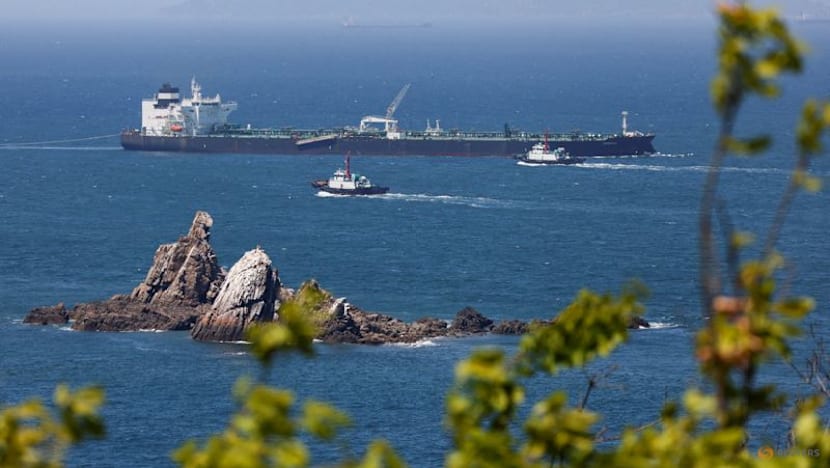
Iran could withstand blockade for four months, CIA report shows, as fighting flares
Translated from English, summarized and contextualized by DistantNews.
TLDR
- A US intelligence assessment indicates Iran could withstand a naval blockade for four more months and has not capitulated despite US strikes.
- The CIA report, first published by the Washington Post, suggests the conflict may continue for some time, impacting US President Trump's efforts to end the unpopular war.
- Sporadic clashes occurred in the Strait of Hormuz, with the US military striking two Iran-linked vessels, while the UAE reported intercepting missiles and drones from Iran.
The United States intelligence community, through a CIA assessment, has concluded that Iran possesses the resilience to endure a naval blockade for an extended period, potentially up to four months. This analysis, which has surfaced amidst ongoing hostilities and stalled diplomatic efforts, suggests that recent US military actions, including airstrikes, have not compelled Tehran to capitulate. The findings, first reported by the Washington Post, cast a shadow over President Trump's strategy to swiftly conclude a conflict that has become a significant political liability at home. The assessment implies a protracted engagement, a scenario that could further erode public support for the war.
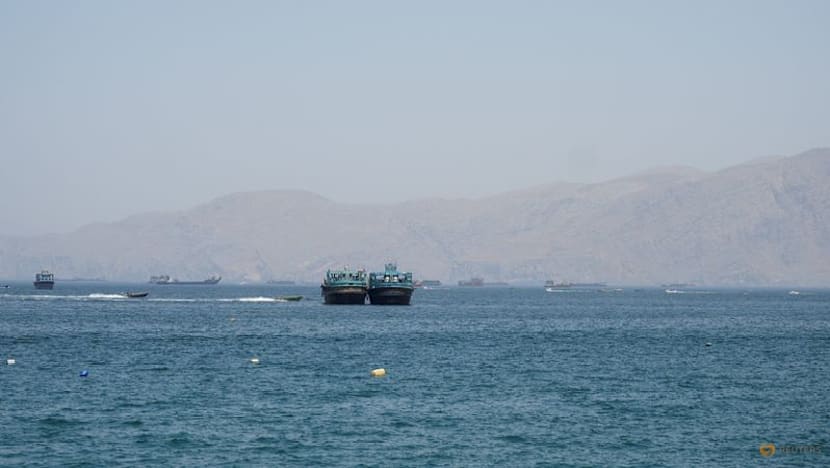
Meanwhile, the strategic Strait of Hormuz remains a flashpoint, with intermittent clashes between Iranian forces and US naval assets. The US military reported engaging and forcing back two Iran-linked vessels attempting to enter an Iranian port. These incidents underscore the volatile nature of the region and the persistent challenges in maintaining de-escalation. The United Arab Emirates also reported intercepting ballistic missiles and drones originating from Iran, highlighting the broader regional implications of the conflict and the potential for escalation.
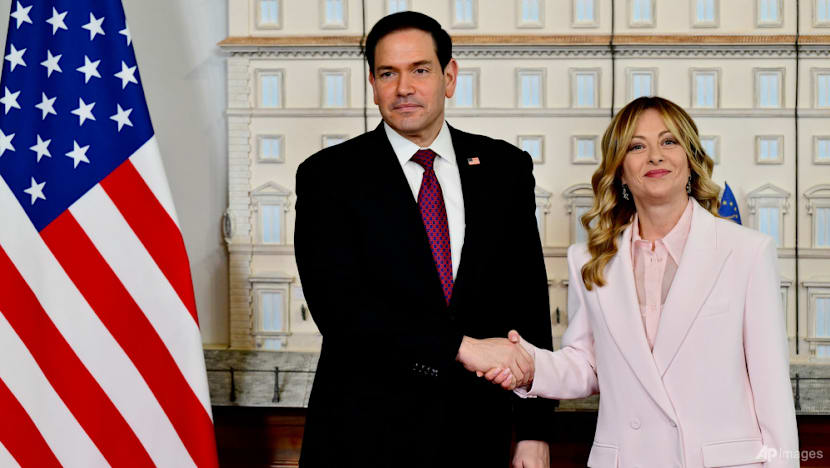
Diplomatic channels are actively being pursued, with Washington awaiting Tehran's response to a US proposal aimed at formally ending the war. Secretary of State Marco Rubio expressed cautious optimism, stating that a response was expected imminently. However, Iran's foreign ministry spokesperson indicated that the decision-making process was ongoing, leaving the timeline for a resolution uncertain. The situation remains fluid, with the potential for further clashes and diplomatic developments shaping the immediate future of the conflict.
We should know something today. We're expecting a response from them.
DistantNews Editorial
Originally published by CNA in English. Translated, summarized, and contextualized by our editorial team with added local perspective. Read our editorial standards.
More Stories

From Our Blog

What Gets Lost (and Found) When News Is Translated

The Critical Role of Diaspora Media in Global News

What Travellers Should Know About Countries with Restricted Press

A Digital Nomad's Guide to Following Local News

How the Same Story Looks Different in Different Countries
