


Iran: Donald Trump Will Not Ask Congress for Permission for War
Translated from German, summarized and contextualized by DistantNews.
TLDR
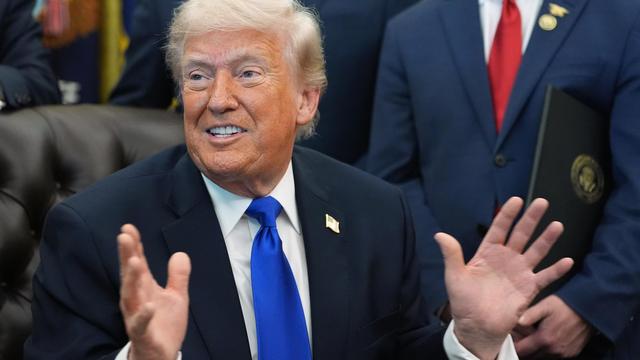
- US President Donald Trump stated he will not seek Congress's permission for military action against Iran, citing historical precedent.
- The War Powers Resolution of 1973 allows presidents 60 days of military action without congressional approval, after which troops must withdraw unless authorized.
- The administration argues that a current ceasefire with Iran pauses the 60-day clock, allowing continued military operations without congressional consent.
The Trump administration's stance on military engagement with Iran, as reported by Der Spiegel, highlights a recurring tension between the executive branch and Congress regarding the use of force. Trump's assertion that he will not seek congressional approval for continued military action echoes a pattern seen with previous administrations, which have also utilized loopholes in the War Powers Resolution to extend military engagements. The administration's argument that a ceasefire 'pauses' the 60-day clock is a legal interpretation aimed at circumventing the spirit, if not the letter, of the law designed to prevent prolonged, undeclared wars. From a German perspective, this reliance on executive power and the manipulation of legal frameworks to pursue military objectives abroad is a cause for concern, given the historical context of escalating conflicts and the importance of international law and democratic oversight. The report underscores the ongoing debate about the balance of power in foreign policy decisions and the potential for presidential overreach in matters of war and peace. The implications for regional stability and international relations, particularly concerning Iran, remain a critical point of observation.
Never before has such a request been made, why should we make an exception?
DistantNews Editorial
Originally published by Der Spiegel in German. Translated, summarized, and contextualized by our editorial team with added local perspective. Read our editorial standards.
More Stories

From Our Blog

What Gets Lost (and Found) When News Is Translated

How the Same Story Looks Different in Different Countries

The Critical Role of Diaspora Media in Global News

What Travellers Should Know About Countries with Restricted Press

A Digital Nomad's Guide to Following Local News
