


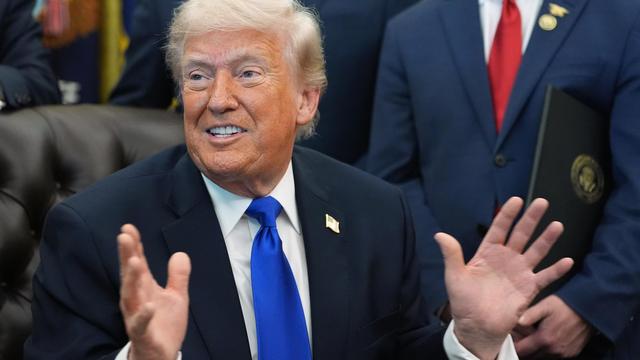
Trump dissatisfied with new Iranian proposal for talks
Translated from German, summarized and contextualized by DistantNews.
TLDR
- US President Donald Trump expressed dissatisfaction with a new Iranian proposal aimed at resuming stalled nuclear talks.
- Iran had reportedly submitted a new negotiation position to Pakistan, which has been acting as a mediator.
- Details of the proposal remain undisclosed, and Trump indicated that current discussions are not progressing towards an agreement.
From Washington, the latest developments in the Iran nuclear talks present a familiar pattern of stalled diplomacy and unmet expectations. President Trump's candid admission of dissatisfaction with Iran's new proposal underscores the deep-seated mistrust that continues to plague these negotiations. While Iran claims to have offered a new path forward through Pakistani mediation, the US administration remains unconvinced, highlighting the significant gap between the two sides.
Im Moment bin ich nicht zufrieden mit ihrem Angebot
The administration's stance, as articulated by Deputy Press Secretary Anna Kelly, is firm: Iran must never possess nuclear weapons, and negotiations are ongoing to ensure US national security. This unwavering position, however, contrasts with the Iranian narrative of seeking an end to conflict through "new initiatives." The reported phone calls by Iranian Foreign Minister Abbas Araghchi to regional counterparts suggest an effort to build broader diplomatic support or explore alternative avenues, a move that may be viewed with suspicion in Washington.
Es ist eine sehr uneinige Führung. Sie wollen alle ein Abkommen, aber sie sind alle durcheinander.
What remains unclear is the precise nature of Iran's proposal and whether Trump's comments were a direct response to it. The President's frustration with what he described as a "very disunited leadership" in Iran suggests internal divisions may be hindering progress. For observers in the US, this situation reflects the complex and often opaque nature of Middle Eastern diplomacy, where public statements often mask intricate behind-the-scenes maneuvering. The lack of transparency from both sides only adds to the uncertainty surrounding the future of the nuclear program and regional stability.
Wir geben keine Details zu vertraulichen diplomatischen Gesprächen bekannt
DistantNews Editorial
Originally published by Die Zeit in German. Translated, summarized, and contextualized by our editorial team with added local perspective. Read our editorial standards.
More Stories
From Our Blog

What Gets Lost (and Found) When News Is Translated

How the Same Story Looks Different in Different Countries

The Critical Role of Diaspora Media in Global News

What Travellers Should Know About Countries with Restricted Press

A Digital Nomad's Guide to Following Local News
