

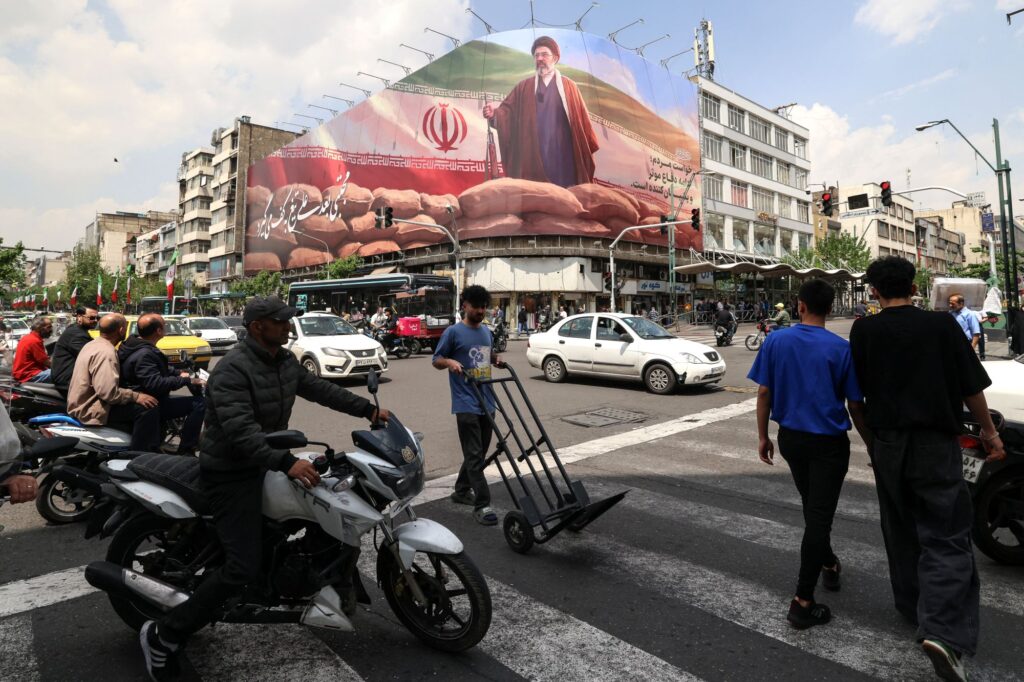
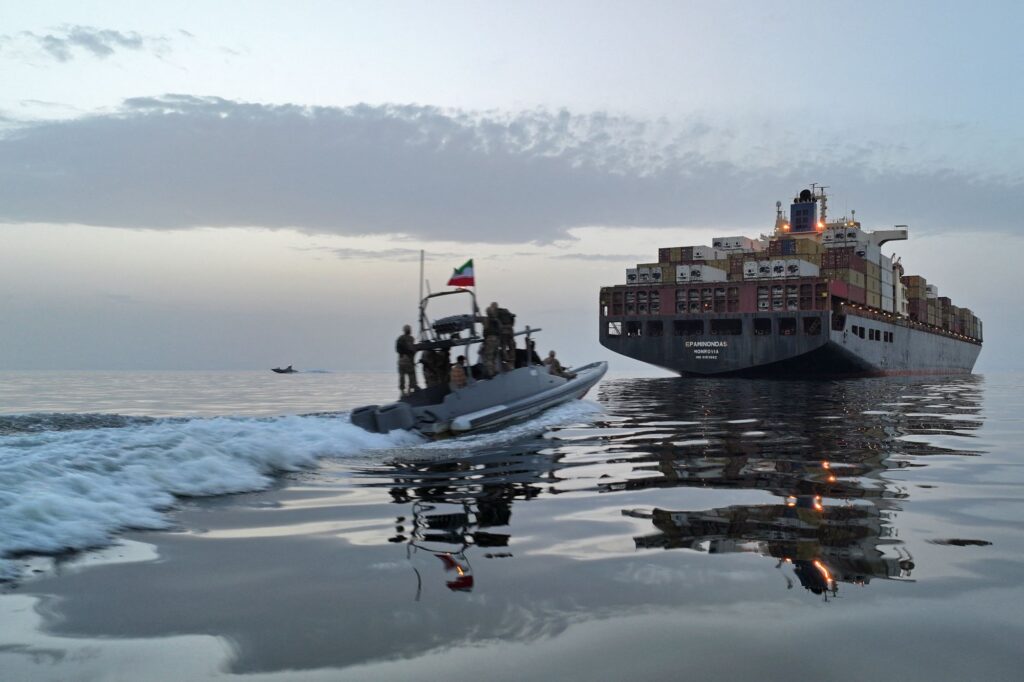
Iran Offers New Proposals to US to Reopen Strait of Hormuz, Delay Nuclear Talks
Translated from Malay, summarized and contextualized by DistantNews.
TLDR
- Iran has presented new proposals to the United States aimed at reopening the Strait of Hormuz and ending the conflict, including a potential delay in nuclear talks.
- These proposals, conveyed through Pakistani intermediaries, also suggest extending a ceasefire to facilitate a lasting resolution.
- The US has not yet responded, and the implications for global oil markets remain uncertain.
From our vantage point at Utusan Malaysia, Iran's latest diplomatic overtures to the United States represent a significant development in the ongoing geopolitical tensions surrounding the Strait of Hormuz. The proposal, reportedly channeled through Pakistan, signals Iran's willingness to de-escalate the situation and seek a peaceful resolution, a move that resonates with our nation's commitment to regional stability and dialogue.
Iran offers new proposals to the US to reopen the Strait of Hormuz and end the conflict, including postponing nuclear talks.
The inclusion of a potential delay in nuclear negotiations and an extended ceasefire as part of the package is particularly noteworthy. This suggests a strategic approach by Tehran, aiming to address multiple facets of the conflict simultaneously. For us in Malaysia, and indeed for many developing nations, the disruption of vital energy routes like the Strait of Hormuz has tangible economic consequences, impacting everything from trade flows to energy prices. Therefore, any genuine effort to reopen this crucial waterway is viewed with cautious optimism.
The Pakistani intermediary conveyed the proposals to the White House, but it remains unclear whether Washington is willing to consider them.
While the US response remains pending, the mere presentation of these new proposals is a step forward. It underscores the importance of third-party mediation, a role Pakistan has played effectively. Unlike some Western media which might focus solely on the adversarial aspects, we at Utusan Malaysia recognize the complexities and the potential for constructive engagement. This story is uniquely interesting from our perspective because it highlights how regional powers can navigate complex international relations and seek pragmatic solutions, often away from the glare of direct confrontation, demonstrating a diplomatic finesse that is crucial for global peace and economic stability.
Interestingly, as soon as I canceled, within 10 minutes, we received a new, much better proposal paper.
DistantNews Editorial
Originally published by Utusan Malaysia in Malay. Translated, summarized, and contextualized by our editorial team with added local perspective. Read our editorial standards.
More Stories


From Our Blog

What Gets Lost (and Found) When News Is Translated

The Critical Role of Diaspora Media in Global News

What Travellers Should Know About Countries with Restricted Press

A Digital Nomad's Guide to Following Local News

How the Same Story Looks Different in Different Countries
