

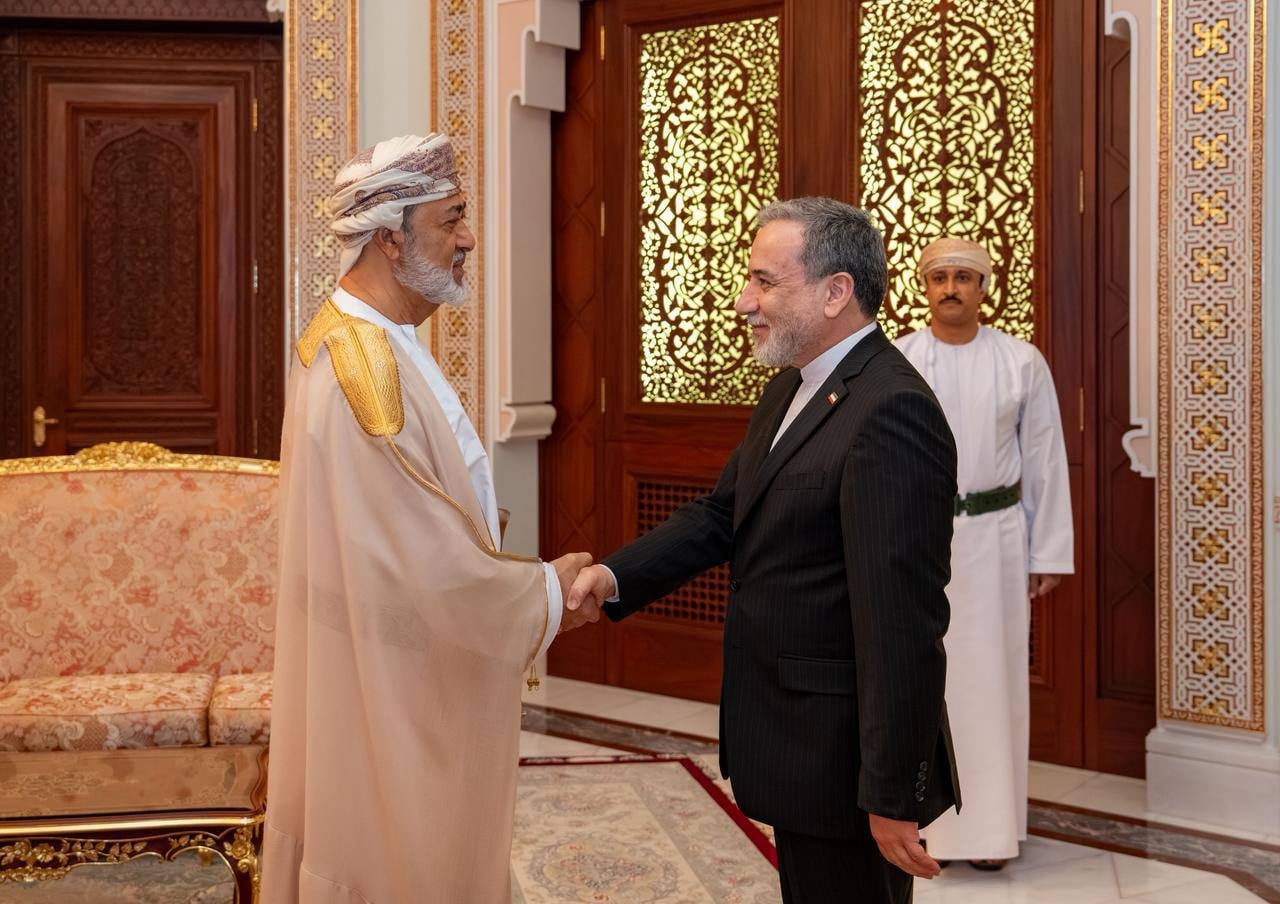

Iran offers to ease Strait of Hormuz control for US sanctions relief, defers nuclear talks
Translated from Spanish, summarized and contextualized by DistantNews.
TLDR
- Iran has proposed ending its control over the Strait of Hormuz in exchange for the US lifting sanctions and ending the war, deferring nuclear program talks to a later stage.
- The proposal was conveyed to the US via Pakistan while Iranian Foreign Minister Abbas Araghchi met with Russian President Vladimir Putin in St. Petersburg.
- The US is unlikely to accept the offer, which leaves unresolved disputes that led to the recent conflict, while the blockade has impacted global oil prices and economies.
From Tehran's perspective, this proposal represents a significant diplomatic initiative aimed at de-escalating tensions and securing national interests. The Iranian leadership, as reported by state media, is leveraging its strategic position and engaging in high-level diplomacy with key international players like Russia to find a resolution.
The importance of this conversation is difficult to overestimate, in view of the evolving situation around Iran and the Middle East.
The offer to ease control over the Strait of Hormuz, a vital global energy chokepoint, in return for sanctions relief and an end to hostilities, signals a willingness to negotiate on critical issues. However, the insistence on deferring the nuclear program talks indicates a strategic prioritization, focusing on immediate economic relief and sovereignty before addressing the more complex nuclear dossier.
Moscow will do everything it can to achieve peace in the Middle East.
This move, while potentially offering a path to peace, is framed within the context of resisting external pressure, particularly from the United States and its allies. The Iranian narrative would emphasize the nation's resilience and its proactive steps towards regional stability, contrasting with what it might portray as aggressive or unreasonable demands from Washington. The involvement of Russia as a mediator further underscores Iran's strategy of building international support and diversifying its diplomatic partnerships.
In the minute 99, after being expelled for double admonition, the player no. 1 of Real Zaragoza, Esteban Maximiliano Andrada, before leaving the field, headed violently and aggressively towards the player no. 14 of SD Huesca, Jorge Pulido Mayoral, running and jumping towards him, while delivering a punch to the face with excessive force, knocking him to the ground and causing him a hematoma on the left cheekbone.
DistantNews Editorial
Originally published by La Nación in Spanish. Translated, summarized, and contextualized by our editorial team with added local perspective. Read our editorial standards.
More Stories
From Our Blog

What Gets Lost (and Found) When News Is Translated

The Critical Role of Diaspora Media in Global News

What Travellers Should Know About Countries with Restricted Press

A Digital Nomad's Guide to Following Local News

How the Same Story Looks Different in Different Countries
