

Iran's 'Mosquito Fleet' Challenges U.S. Navy in Hormuz Strait
Translated from Finnish, summarized and contextualized by DistantNews.
TLDR
- Iran's Revolutionary Guard Corps operates a fleet of hundreds of lightly armed speedboats in the Persian Gulf, posing a threat to the Strait of Hormuz shipping lane.
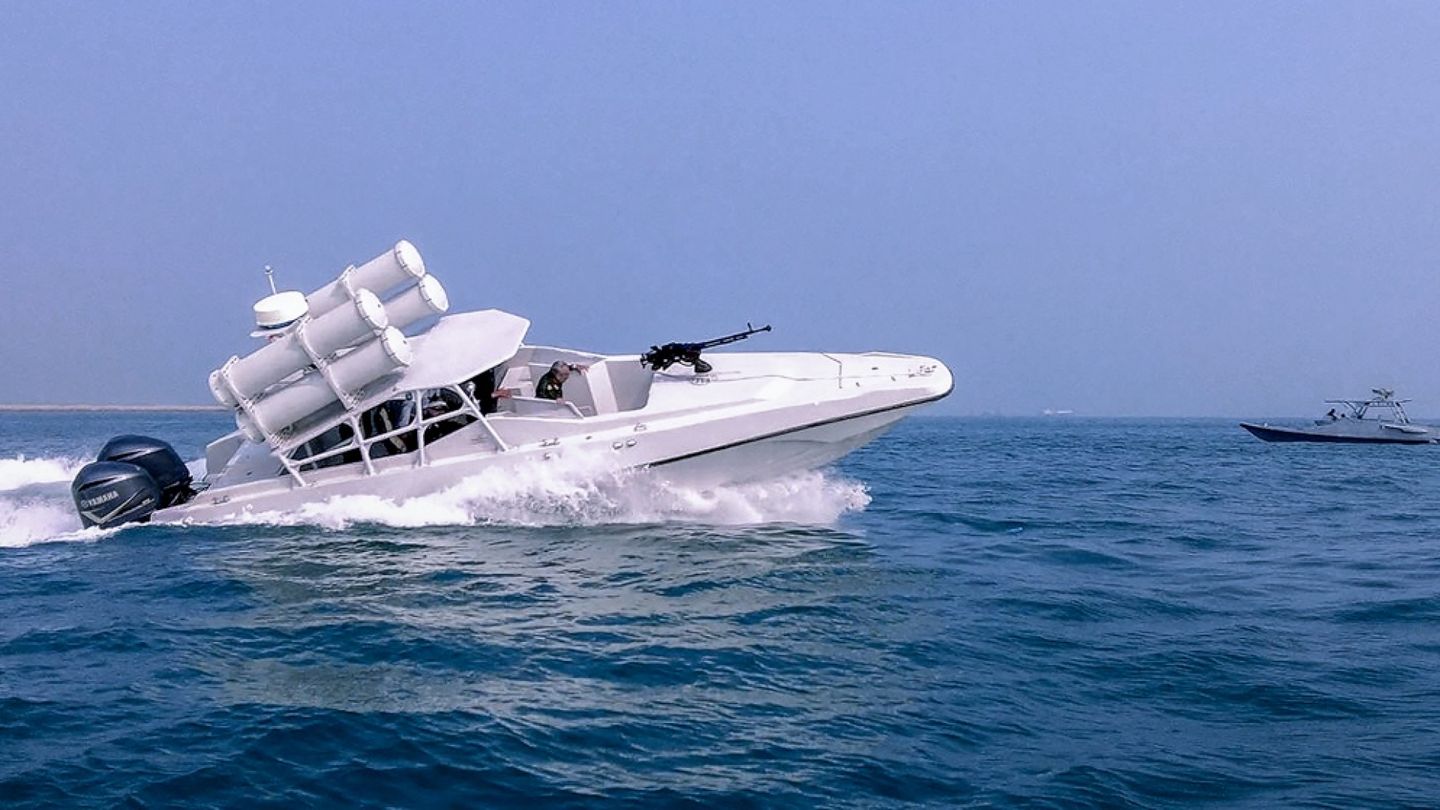
- These 'mosquito fleet' boats can reach speeds of up to 150 km/h and are equipped with machine guns or rocket launchers.
- The U.S. Navy has been actively engaging with these Iranian vessels, with President Trump reporting the sinking of seven boats on May 4th.
The strategic Strait of Hormuz, a vital artery for global energy transport, is currently the stage for a tense naval cat-and-mouse game orchestrated by Iran's Revolutionary Guard Corps (IRGC). Helsingin Sanomat reports on the IRGC's formidable 'mosquito fleet' – hundreds, perhaps thousands, of lightly armed speedboats that swarm the vital waterway. These vessels, capable of incredible speeds and equipped with offensive weaponry, present a unique and persistent challenge to the U.S. Navy's presence in the Persian Gulf.
Iran's Revolutionary Guard has built a fleet of hundreds of lightly armed speedboats in the Persian Gulf.
This asymmetric naval strategy, honed over decades, allows Iran to effectively disrupt maritime traffic and project power despite facing a technologically superior adversary. The IRGC's speedboats, deployed from dispersed bases along the coast and on islands, appear in menacing flotillas, creating constant unease and forcing the U.S. Navy into a reactive posture. While individual boats may be vulnerable, their sheer numbers and coordinated swarming tactics make them a significant tactical nuisance, capable of paralyzing commercial shipping.
The boats speed from their bases in swarms of dozens of ships, threatening the trade route of the Strait of Hormuz.
Recent reports indicate ongoing clashes, even amidst a purported ceasefire. President Trump's announcement of sinking seven Iranian speedboats on May 4th, followed by further engagements where U.S. sources claim additional boats were destroyed, highlights the volatile nature of the situation. Admiral Bradley Cooper's comments to the Financial Times about eliminating flotillas underscore the U.S. military's efforts to maintain freedom of navigation.
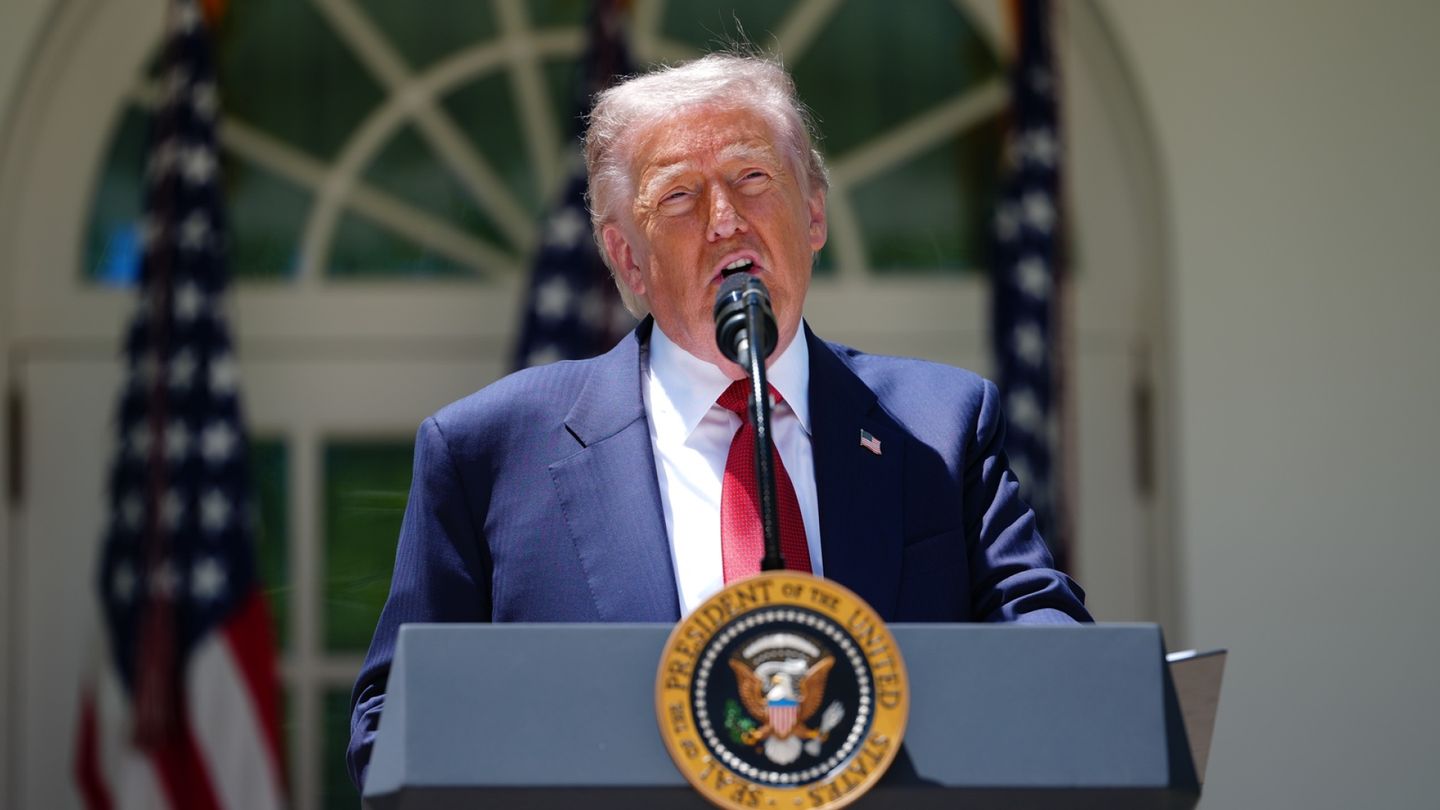
President Donald Trump said on May 4 that the United States had sunk seven Iranian speedboats in one day.
From a Finnish perspective, understanding this dynamic is crucial. While Finland is geographically distant from the Persian Gulf, the stability of global energy markets directly impacts our economy. The IRGC's strategy is a stark reminder of how non-state or asymmetric actors can leverage their capabilities to challenge established powers and disrupt international trade routes. This situation underscores the complex geopolitical landscape and the potential for localized conflicts to have far-reaching global consequences, a point often emphasized in our foreign policy discussions.
Admiral Bradley Cooper told the Financial Times that more of the Revolutionary Guard's speedboats were sunk in the following days.
DistantNews Editorial
Originally published by Helsingin Sanomat in Finnish. Translated, summarized, and contextualized by our editorial team with added local perspective. Read our editorial standards.
More Stories



From Our Blog

What Gets Lost (and Found) When News Is Translated

The Critical Role of Diaspora Media in Global News

What Travellers Should Know About Countries with Restricted Press

A Digital Nomad's Guide to Following Local News

How the Same Story Looks Different in Different Countries
