


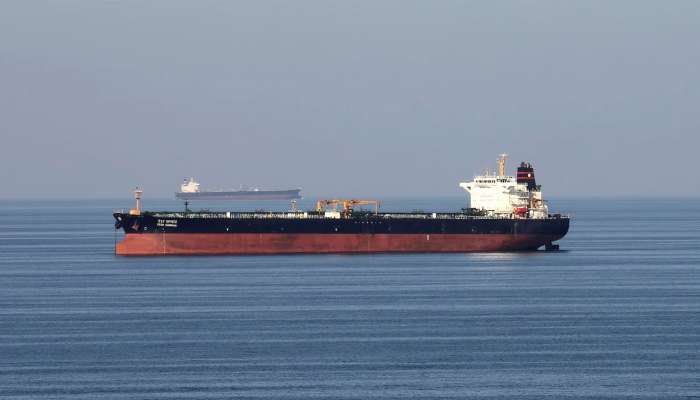
Iran War Fuels Energy Shock, Diverging Central Bank Paths
Translated from English, summarized and contextualized by DistantNews.
TLDR
- Global central banks are adjusting monetary policy due to rising energy prices following the Iran war, with potential implications for interest rate decisions.
- Asia, heavily reliant on energy imports, faces significant economic impact, though China and Japan have strategic reserves; Japan's tight labor market and wage growth risk inflation.
- Europe may see reduced GDP and potential rate hikes by the ECB if oil prices remain high, while the US, a net energy exporter, is relatively insulated but faces delayed Fed easing.
The escalating conflict in Iran has sent shockwaves through global energy markets, forcing central banks worldwide to re-evaluate their monetary policy strategies. Investment management firm Robeco warns that the "crude disruption" is compelling some institutions to postpone interest rate cuts, while others are contemplating hikes they had not previously considered.
the "crude disruption" is forcing some to postpone easing while others weigh hikes they had not previously anticipated.
Asia, with its substantial dependence on Middle Eastern energy imports, is particularly vulnerable to sustained high energy prices. While China and Japan possess large strategic reserves that offer some buffer, Japan's economy is currently experiencing a robust expansion, marked by a 35-year high in the Tankan business survey and wage growth around 3%. Robeco highlights that Japan's core inflation, excluding government energy subsidies, has consistently exceeded 2% for four years, prompting the Bank of Japan (BoJ) to acknowledge upside inflation risks and consider further tightening.
In Europe, the impact, while less severe than in Asia, is still significant. The European Central Bank (ECB) estimates that a 10% energy price shock could reduce Eurozone GDP by over 0.5 percentage points due to decreased consumption and business investment. Despite President Christine Lagarde's assertion that the ECB is in a stronger position than in 2022, with inflation near target and a cooling labor market, Robeco's base case anticipates two 25 basis point hikes in June and September if Brent crude remains around $80 per barrel.
a 10 per cent energy price shock could cut more than 0.5 percentage points from Eurozone GDP through weaker consumption and business investment.
The United States, as a net energy exporter, is comparatively better insulated. Robeco forecasts a rise in inflation exceeding 1 percentage point, which would delay Federal Reserve easing, but anticipates stronger growth than in Europe. The Fed's March meeting signaled a potential shift, with Chair Powell suggesting policy rates are nearing a restrictive borderline. However, the Fed's median projection still indicates lower rates over the next two years, with Robeco's central scenario assuming three cuts by mid-2027, though risks such as renewed Middle East escalation or a stronger labor market could alter this outlook.
policy rates are now "around the borderline between restrictive and not" and that further cuts would not be appropriate without more progress on inflation.
DistantNews Editorial
Originally published by Times of Oman in English. Translated, summarized, and contextualized by our editorial team with added local perspective. Read our editorial standards.
More Stories


From Our Blog

What Gets Lost (and Found) When News Is Translated

The Critical Role of Diaspora Media in Global News

What Travellers Should Know About Countries with Restricted Press

A Digital Nomad's Guide to Following Local News

How the Same Story Looks Different in Different Countries
