


Iran warns US intervention in Hormuz Strait is ceasefire violation
Translated from Korean, summarized and contextualized by DistantNews.
TLDR
- Iran has warned that any US intervention in the Strait of Hormuz would be considered a violation of a ceasefire.
- The warning came after US President Donald Trump announced a plan to assist foreign ships stranded in the strait.
- Iran's parliamentary committee chairman stated that the Strait of Hormuz is not managed by Trump's posts and that US involvement would be seen as a breach of a ceasefire.
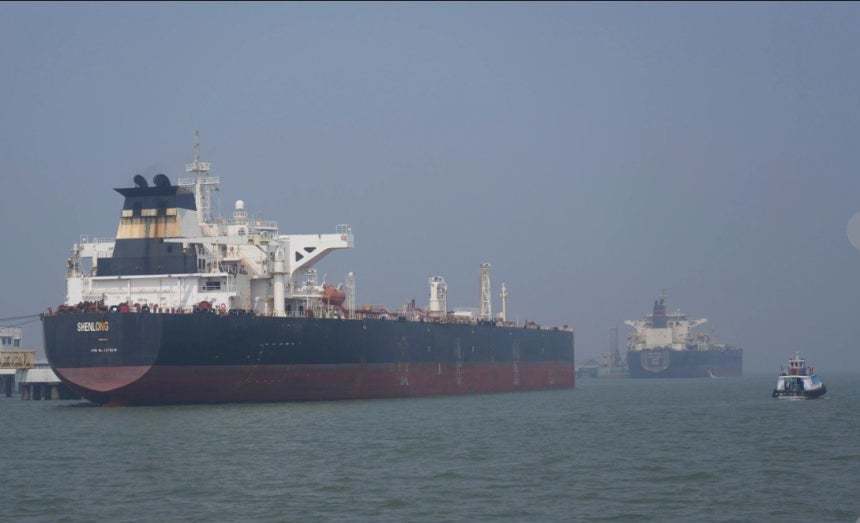
The United States, under President Trump, has announced a new initiative, dubbed 'Project Freedom,' aimed at assisting foreign vessels stranded in the Strait of Hormuz. Trump stated that the US would guide these ships to safety, framing the operation as a humanitarian gesture for neutral and innocent bystanders, including those lacking essential supplies.
All acts will be considered a violation of the ceasefire.
However, Iran has responded with a stern warning, asserting that any such American intervention in the Strait of Hormuz and the Persian Gulf would be interpreted as a violation of a ceasefire. Ibrahim Azizi, a member of Iran's parliamentary National Security Committee, declared on X that the region is not subject to Trump's "delusional posts" and that any US involvement in a new maritime control system would be considered a breach of a ceasefire.
The Strait of Hormuz and the Persian Gulf will not be managed by Trump's delusional posts.
This exchange highlights the ongoing tensions and strategic posturing in the Strait of Hormuz, a critical chokepoint for global oil transport. While the US frames its action as humanitarian, Iran views it as an attempt to assert control and interfere in a region it considers vital to its security. The differing perspectives underscore the complex geopolitical dynamics at play, where actions are often interpreted through a lens of national interest and perceived threats.
The United States will guide these ships to safely exit the restricted waters.
DistantNews Editorial
Originally published by Hankyoreh in Korean. Translated, summarized, and contextualized by our editorial team with added local perspective. Read our editorial standards.
More Stories


From Our Blog

What Gets Lost (and Found) When News Is Translated

The Critical Role of Diaspora Media in Global News

What Travellers Should Know About Countries with Restricted Press

A Digital Nomad's Guide to Following Local News

How the Same Story Looks Different in Different Countries
