


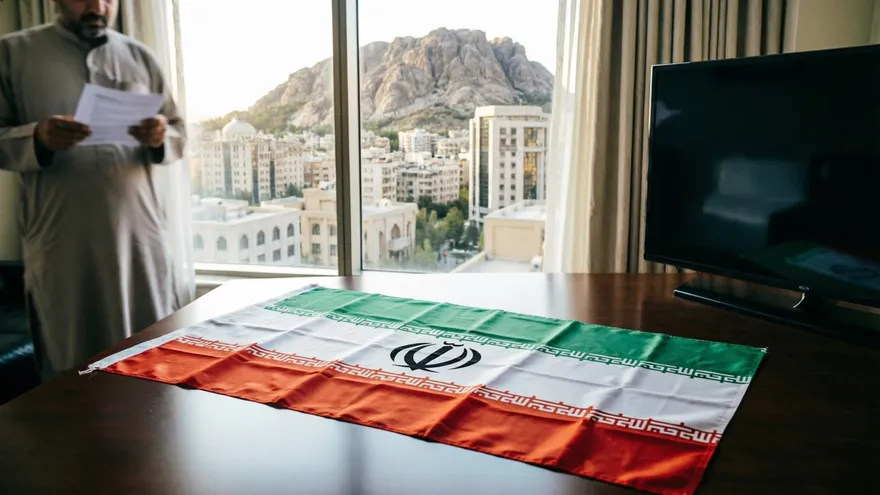
Iranian Military Commander Sees 'Probable' Hostilities Resumption with US
Translated from Spanish, summarized and contextualized by DistantNews.
TLDR
- An Iranian military official stated that hostilities with the US are 'probable' following President Trump's dissatisfaction with Tehran's latest proposal.
- A ceasefire has been in place since April 8, following nearly 40 days of US-Iran conflict and Iranian reprisals against Gulf monarchies allied with Washington.
- Both sides remain far apart on key issues like the Strait of Hormuz passage fees and Iran's nuclear program, with the US stating it is not satisfied with the current proposal.
Tensions between Iran and the United States remain precariously high, with a senior Iranian military commander warning of a 'probable' resumption of hostilities. This stark assessment comes in the wake of President Donald Trump's public dissatisfaction with Iran's latest proposal aimed at de-escalating the conflict. While a fragile ceasefire has held since April 8, following weeks of intense exchanges, the path to a lasting peace appears fraught with significant obstacles, particularly concerning the Strait of Hormuz and Iran's nuclear ambitions.
Es probable que se reanude el conflicto con Estados Unidos, y los hechos demuestran que Estados Unidos no respeta ninguna promesa ni acuerdo
From the perspective of TVN Panamá, the situation underscores the volatile nature of US-Iran relations and the challenges inherent in diplomatic negotiations between nations with deeply entrenched opposing interests. The Iranian military's readiness, as stated by Mohamad Jafar Asadi, inspector adjunto of the Jatam al Anbiya central military command, highlights Iran's preparedness to counter any 'opportunism or imprudent action' by the Americans. This stance reflects a national resolve to defend its sovereignty and interests, even amidst international pressure.
Las fuerzas armadas están perfectamente preparadas ante cualquier posible oportunismo o acción imprudente por parte de los norteamericanos
The core of the dispute, as reported, lies in fundamental disagreements. Iran's assertion of its right to levy charges for passage through the Strait of Hormuz, a vital global shipping lane, clashes directly with US interests and international maritime law. Compounding this is the ongoing issue of Iran's nuclear program, a subject of intense international scrutiny and negotiation. The failure of initial direct talks in Islamabad on April 11 to bridge these divides indicates the magnitude of the challenge ahead.
ahora la pelota está en el campo de Estados Unidos, que debe elegir entre la vía diplomática o la continuación del enfoque confrontativo
While President Trump has expressed his dissatisfaction, the Iranian Foreign Ministry, through Deputy Minister Kazem Gharibabadi, has stated that 'the ball is in the United States' court,' emphasizing Iran's readiness for either diplomatic engagement or continued confrontation. This position suggests a strategic calculation by Tehran, balancing its willingness to negotiate with a firm stance against perceived American intransigence. The international community watches closely, aware that any misstep could reignite a conflict with far-reaching consequences for regional and global stability.
Teherán está "preparado" para cualquiera de los dos escenarios
DistantNews Editorial
Originally published by TVN Panamá in Spanish. Translated, summarized, and contextualized by our editorial team with added local perspective. Read our editorial standards.
More Stories

From Our Blog

What Gets Lost (and Found) When News Is Translated

The Critical Role of Diaspora Media in Global News

What Travellers Should Know About Countries with Restricted Press

A Digital Nomad's Guide to Following Local News

How the Same Story Looks Different in Different Countries
