

Is ‘no Greenland seafood for China’ the US’ new security doctrine?
Summarized and contextualized by DistantNews.
At a glance
News
Sources not specified
Context piece
- The US strategy to contain China involves denying access to key commodities and redirecting supply chains.
- A former Trump administration official revealed that the US could secure Greenland's seafood production for itself, excluding China.
- This strategy, termed the 'seafood doctrine,' aims to counter China's significant demand for global seafood.
The United States is employing a strategy to contain China by restricting its access to critical technologies and commodities, while simultaneously redirecting supply chains to bolster American industries. This approach, initially articulated during the Trump administration, appears to be a core element of current US foreign policy.
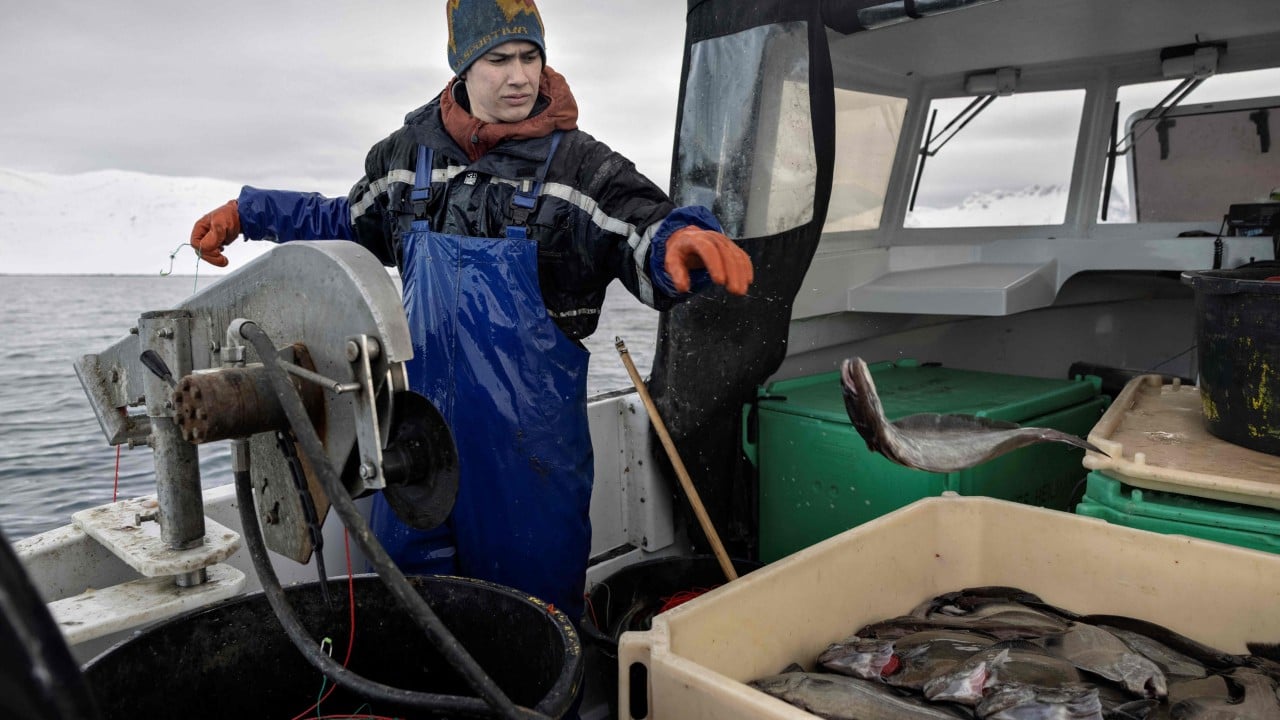
Tom Dans, a Treasury official under Trump and now head of the US Arctic Research Commission, shed light on the strategic importance of Greenland to American national security. He suggested that the US could claim all of Greenland's seafood production, thereby cutting out intermediaries and preventing China from accessing it.
Dans's remarks, shared with The New Yorker staff writer Ben Taub, revealed a pragmatic, albeit stark, articulation of this policy. "My view is that the United States could take all the seafood Greenland could produce, and cut out the middleman, and keep it from China – and you could bring back all-you-can-eat shrimp at Red Lobster," he stated.
This 'seafood doctrine' highlights a specific tactic within the broader US strategy to counter China's substantial appetite for seafood. By leveraging its influence and potentially its proximity, the US aims to control access to resources vital to its geopolitical rival.
My view is that the United States could take all the seafood Greenland could produce, and cut out the middleman, and keep it from China – and you could bring back all-you-can-eat shrimp at Red Lobster.
DistantNews Editorial
Originally published by South China Morning Post. Summarized and contextualized by our editorial team with added local perspective. Read our editorial standards.
More Stories
From Our Blog

Countries Without a Free Press: What You Need to Know

What Press Freedom Means for the News You Read

What Gets Lost (and Found) When News Is Translated

The Critical Role of Diaspora Media in Global News

What Travellers Should Know About Countries with Restricted Press
