


Jakarta Slum Areas Halved in Eight Years
Translated from Indonesian, summarized and contextualized by DistantNews.
TLDR
- Jakarta has significantly reduced its number of slum-prone residential areas (RW kumuh) from 445 in 2017 to 211 in 2026.
- This reduction is attributed to a long-term, consistent effort by the regional government, despite population growth and increasing complexities.
- The accuracy of the data is confirmed through a methodology combining field surveys and satellite imagery analysis, with 11 criteria defining slum conditions.
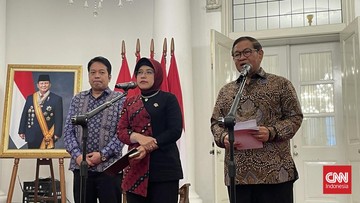
Jakarta's transformation is evident as the provincial government, in collaboration with the Central Statistics Agency (BPS), announces a dramatic decrease in slum-prone areas. Governor Pramono Anung highlighted the reduction from 445 Rukun Warga (RW) in 2017 to just 211 by 2026, a feat achieved despite the city's burgeoning population and escalating urban challenges.
Jadi kalau mau melihat sederhananya begini, 2017 jumlah RW kumuh itu 445. Dalam satu tahun pemerintahan saya dan lebih dikit lah ya, sekarang ini menjadi 211 RW
This achievement, while not solely attributed to his administration, is a testament to the sustained and consistent efforts of the regional government. The governor expressed gratitude for the nearly 52 percent reduction, acknowledging the complexity of urban management and the growing needs of the populace. This progress underscores Jakarta's commitment to improving living conditions for its residents.
Saya tidak mau mengklaim bahwa itu semua adalah hasil dari apa yang kami lakukan, tetapi kalau melihat perkembangan jumlah penduduk bertambah, kemudian persoalan-persoalan lapangannya juga semakin kompleks, ada penurunan hampir 52 persen lebih menurut saya sudah hal yang luar biasa dan saya mensyukuri itu
BPS Head Amalia Adininggar Widyasanti affirmed the reliability of these figures, explaining the rigorous methodology employed. By integrating on-the-ground data collection with satellite imagery analysis, BPS ensures the accuracy of its assessments. The definition of a slum area is comprehensive, encompassing 11 criteria, from population and building density to sanitation, waste management, and the availability of public utilities.
Kami menggunakan dua pendekatan, pendekatan pendataan langsung di lapangan ditambah dengan kalibrasi melalui metodologi citra satelit
This collaborative approach between BPS and the DKI Jakarta Provincial Government signifies a robust commitment to urban planning and development. The ongoing partnership aims to further validate the livability standards across Jakarta's remaining RWs, ensuring that the city continues its trajectory towards a more organized and habitable urban environment. This focus on data-driven policy and consistent execution sets a benchmark for urban renewal initiatives.
Nah kriteria dari RT kumuh itu ada 11. Pertama adalah kepadatan penduduk, kedua kepadatan bangunan, ketiga konstruksi bangunan tempat tinggal, kemudian empat kondisi ventilasi dan pencahayaan bangunan tempat tinggal, kelima tempat buang air besar, keenam cara membuang sampah
DistantNews Editorial
Originally published by CNN Indonesia in Indonesian. Translated, summarized, and contextualized by our editorial team with added local perspective. Read our editorial standards.
More Stories


From Our Blog

What Gets Lost (and Found) When News Is Translated

The Critical Role of Diaspora Media in Global News

What Travellers Should Know About Countries with Restricted Press

A Digital Nomad's Guide to Following Local News

How the Same Story Looks Different in Different Countries
