


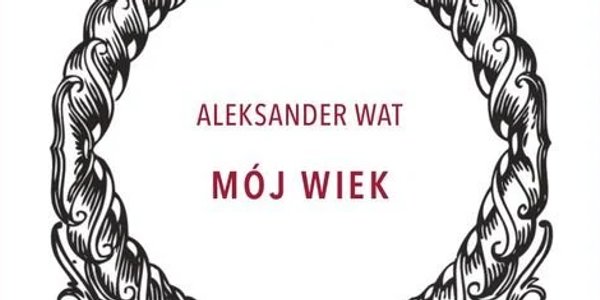
Jan Maciejewski: Born on May First
Translated from Polish, summarized and contextualized by DistantNews.
TLDR
- The article reflects on the enduring power of Aleksander Wat's "My Age," emphasizing its profound impact on readers' understanding of communism.
- It highlights that Wat's thoughts, processed through lived experience of both pleasure and suffering, are what truly last.
- The piece contrasts the ephemeral nature of superficial experiences with the lasting resonance of deeply felt and articulated thoughts, using Wat's conversations with Czesław Miłosz as a prime example.
The Rzeczpospolita, through its "Plus Minus" section, offers a profound reflection on the lasting impact of Aleksander Wat's "My Age." The author posits that true understanding, particularly of complex and traumatic historical periods like communism, comes not from detached observation but from deeply lived and processed experiences. This perspective resonates strongly within Poland, a nation that has grappled extensively with its communist past. Wat's "My Age," a series of conversations with Czesław Miłosz, is presented not merely as a historical account but as a testament to the human capacity to transmute suffering into enduring insight. The article emphasizes that thoughts "processed, lived through – paid for with pleasure and suffering" are what possess true longevity and power. This contrasts sharply with superficial encounters or secondhand knowledge, which are deemed "fleeting." The author suggests that Wat's willingness to engage in raw, honest dialogue, even when it meant confronting painful truths and evading direct answers, is what gives the work its unique authenticity. Miłosz's presence as a sympathetic interlocutor, sharing a similar "illness" of deep existential engagement, is crucial to this process. From a Polish viewpoint, "My Age" is more than a literary work; it is a vital piece of national memory, offering a deeply personal and unflinching look at a period that shaped generations. The article implicitly argues that such personal testimonies, born from profound suffering and introspection, are essential for truly understanding history, a perspective often overshadowed by more detached, academic analyses in Western discourse. The enduring relevance of Wat's work underscores the Polish appreciation for narratives that grapple with historical trauma and existential truths.
What is it ink that is not mixed with blood? How long will it hold on the surface of the page?
DistantNews Editorial
Originally published by Rzeczpospolita in Polish. Translated, summarized, and contextualized by our editorial team with added local perspective. Read our editorial standards.
More Stories

From Our Blog

What Gets Lost (and Found) When News Is Translated

The Critical Role of Diaspora Media in Global News

What Travellers Should Know About Countries with Restricted Press

A Digital Nomad's Guide to Following Local News

How the Same Story Looks Different in Different Countries
