

![[Kim Seung-ryeon Column] Politics That Breaks the Taboo of Troop Deployment](https://dimg.donga.com/wps/NEWS/IMAGE/2026/05/10/133895271.1.jpg)
[Kim Seung-ryeon Column] Politics That Breaks the Taboo of Troop Deployment
Translated from Korean, summarized and contextualized by DistantNews.
TLDR
- The article discusses South Korea's reluctance to participate in military deployments abroad, despite being a major military power.
- It questions the nation's capacity and willingness to engage in military action for the sake of its alliance with the US and national interests, especially in light of escalating US-Iran tensions.
- The author argues that South Korean politicians have avoided serious debate on troop deployment, prioritizing public opinion over strategic considerations, and calls for leaders to initiate discussions on the country's role in international security.
In an era of shifting global alliances and escalating geopolitical tensions, South Korea finds itself at a critical juncture, grappling with the uncomfortable question of its willingness and capacity for military engagement abroad. As a nation boasting the world's fifth-largest military budget and a formidable defense force, our persistent reluctance to deploy troops in combat zones since the Vietnam War presents a stark paradox. This timidity, while perhaps understandable given our history, is increasingly at odds with our growing economic and military stature, and the evolving demands of our most crucial alliance with the United States.
The US-Iran war raises an uncomfortable question: Does South Korea have the capacity and will for military action for the sake of the ROK-US alliance and national interests?
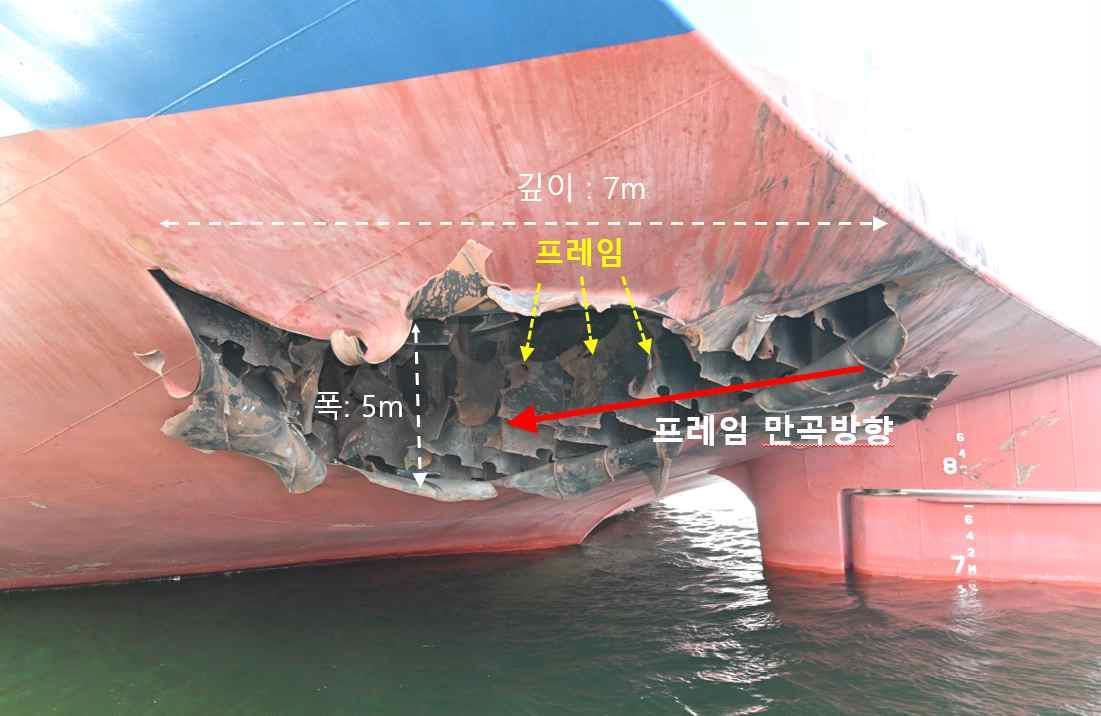
The recent events in the Strait of Hormuz, involving an attack on a cargo ship, have brought the complex 'politics of deployment' into sharp focus. While the US has requested naval support, South Korea, like many Western allies and Japan, has found itself hesitant to intervene. The lack of a clear justification for military action from the US and the absence of casualties in the incident have further dampened any potential public appetite for deployment. This situation underscores a long-standing pattern: while security officials may privately acknowledge the need for greater engagement, political leaders often defer to public sentiment, fearing the repercussions of sending soldiers into harm's way. The narrative that 'we must not send our soldiers to die in a foreign land' has consistently stifled any serious debate.
For over 50 years since the Vietnam War, we have been reluctant to deploy combat troops, and past US presidents have generally understood our hesitation. However, with the emergence of Trump, who treats even alliances as a bargaining chip, the calculations have changed significantly.
This reluctance is particularly concerning as South Korea pursues the return of wartime operational control (OPCON) from the United States. This move signifies a desire for greater autonomy and self-reliance in national defense, yet it is fundamentally undermined if we are unwilling to act decisively in support of our allies or international security. European nations, despite facing similar domestic opposition, often accept the risks associated with troop deployment as a necessary component of global leadership and alliance commitment. We, too, must cultivate a similar mindset, recognizing that contributing to global security, whether through humanitarian aid or military presence in critical regions, is not merely an act of charity but an investment in our own long-term national interests and influence. It is time for our political leaders, particularly those aspiring to higher office, to step forward, engage in robust public debate, and articulate a clear vision for South Korea's role in maintaining international order and collective security.
The narrative that 'we must not send our soldiers to die in a foreign land' has consistently stifled any serious debate.
DistantNews Editorial
Originally published by Dong-A Ilbo in Korean. Translated, summarized, and contextualized by our editorial team with added local perspective. Read our editorial standards.
More Stories


From Our Blog

What Gets Lost (and Found) When News Is Translated

The Critical Role of Diaspora Media in Global News

What Travellers Should Know About Countries with Restricted Press

A Digital Nomad's Guide to Following Local News

How the Same Story Looks Different in Different Countries
