


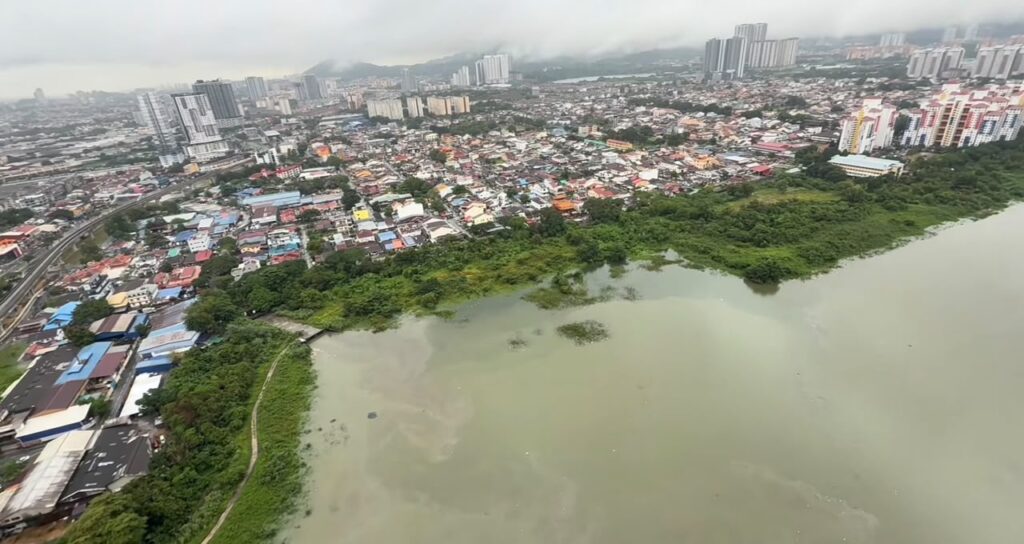
Klang Valley Property Values Could Drop 30% Due to Flooding
Translated from Malay, summarized and contextualized by DistantNews.
At a glance
News
Sources not specified
Context piece
- Property values in flood-prone areas of the Klang Valley, Malaysia, could decrease by up to 30% if the problem persists without long-term solutions.
- The estimated depreciation depends on the severity of flooding and local factors, according to property experts.
- Recent reports indicate that Kuala Lumpur's flood retention ponds are operating at only 30% capacity, posing a risk to millions.
Property values in flood-prone areas of Malaysia's Klang Valley risk declining by as much as 30% if recurrent flooding continues without effective long-term solutions, according to property professionals. Prof. Dr. Ismail Omar, President of the Malaysian Professional Land Valuers Association (Pertama), stated that this figure is a rough average, with the actual depreciation varying based on the flood's severity and specific local conditions.
Ismail explained that property is heterogeneous, meaning the impact of floods on value differs from one plot to another. He noted that a 20-30% drop is a preliminary estimate requiring deeper analysis. Persistent and prolonged flooding can significantly impact the property market by reducing demand and consequently lowering values. This concern arises amid reports that flood retention ponds in Kuala Lumpur are operating at only about 30% of their original capacity, potentially exposing over 8.3 million residents in the Klang Valley to ongoing flood risks.
He further clarified that minor flash floods that recede quickly have a minimal impact on property values and are less concerning. However, major floods causing extensive damage, such as soil erosion and building collapse, will inevitably affect land values. Property valuers consider various factors, including the extent of damage, financial losses, business disruptions, and insurance coverage, when assessing the true impact of floods.
Prof. Emeritus Dr. Barjoyai Bardai, an economist at Universiti Tun Abdul Razak, warned that if floods occur annually without effective solutions, the perception of risk in affected areas could become permanent. Buyers would demand larger discounts to offset the risk, while investors might seek alternative locations offering more stable returns. The most significant consequence, he cautioned, might not just be price reduction but a loss of market liquidity, making properties harder to sell even with price cuts, thus labeling them as riskier assets.
DistantNews Editorial
Originally published by Utusan Malaysia in Malay. Translated, summarized, and contextualized by our editorial team with added local perspective. Read our editorial standards.
More Stories


From Our Blog

What Gets Lost (and Found) When News Is Translated

The Critical Role of Diaspora Media in Global News

What Travellers Should Know About Countries with Restricted Press

A Digital Nomad's Guide to Following Local News

How the Same Story Looks Different in Different Countries
