

Kremlin Ramps Up Recruitment Pressure as Troop Numbers Fall Short
Translated from Ukrainian, summarized and contextualized by DistantNews.
TLDR
- Russia is resorting to administrative coercion and pressure to meet its contract soldier recruitment targets for 2026, avoiding overt mobilization due to its political costs.
- The Kremlin aims for 409,000 contract soldiers in 2026, but current recruitment rates are declining, forcing an increase in sign-on bonuses and tighter administrative pressure.
- Universities are being pressured to ensure at least 2% of students sign defense contracts, with some students facing contract offers as an alternative to expulsion for academic failures.
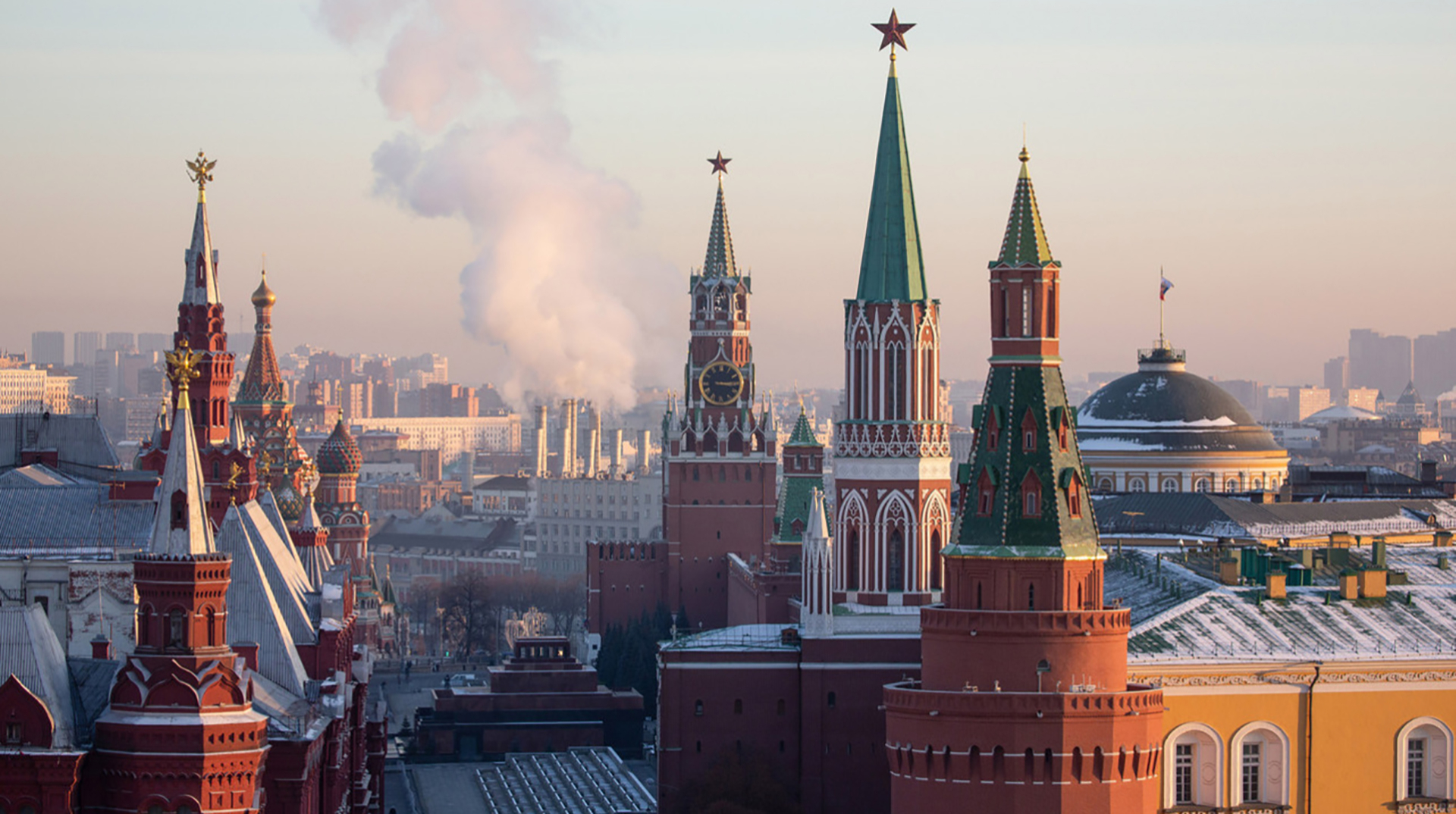
The Kremlin's strategy to fill its ranks for the ongoing conflict in Ukraine reveals a calculated avoidance of overt mobilization, a tactic learned from the public backlash experienced in autumn 2022. Instead, Moscow is employing a multi-pronged approach, leveraging administrative pressure on students, businesses, and residents of occupied territories to sign contracts. This method, while less politically volatile, highlights the significant manpower challenges Russia faces, with recruitment rates reportedly declining and a growing reliance on coercion rather than voluntary enlistment.
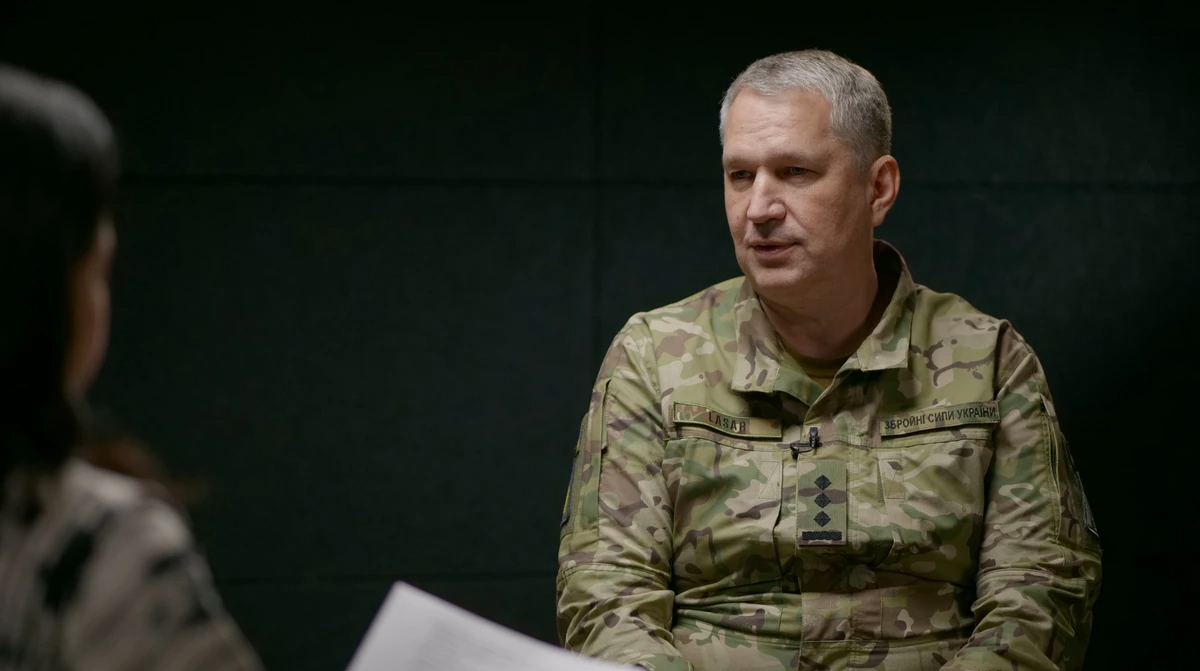
At the end of last year, we at Join Ukraine assessed the mobilisation potential of Russia's armed forces. In short, our research suggested that around 200,000 people a year could join voluntarily. That isn't enough to cover Russian losses, so we wondered how the Kremlin would close the gap.
Universities have become a key target in this recruitment drive, with directives reportedly instructing institutions to ensure a minimum percentage of their student body signs defense contracts. This pressure extends to students struggling academically, who are presented with contract offers as a stark alternative to expulsion. Such measures underscore the desperation to meet the General Staff's ambitious target of 409,000 contract soldiers for 2026, even as current recruitment figures fall short and bonuses are being raised to incentivize enlistment.
The Kremlin is counting on students, businesses, people living in occupied territories, and anyone who can be pushed by administrative means into signing a contract to fight in the war.
This reliance on administrative pressure and indirect recruitment methods reflects a broader pattern of the Russian state seeking to manage public perception while sustaining its military operations. The avoidance of the word "mobilisation" and the use of bureaucratic means to push individuals into service demonstrate a clear effort to mitigate domestic dissent. However, the declining recruitment rates and the increasing pressure on vulnerable populations suggest that these methods may not be sufficient to cover the substantial losses being incurred, forcing the Kremlin into a difficult balancing act between military necessity and political stability.
The Russian General Staff has a target of 409,000 contract soldiers for 2026.
DistantNews Editorial
Originally published by Ukrainska Pravda in Ukrainian. Translated, summarized, and contextualized by our editorial team with added local perspective. Read our editorial standards.
More Stories
From Our Blog

What Gets Lost (and Found) When News Is Translated

The Critical Role of Diaspora Media in Global News

What Travellers Should Know About Countries with Restricted Press

A Digital Nomad's Guide to Following Local News

How the Same Story Looks Different in Different Countries
