


Kuwait eyes strategic exit from Hormuz as geopolitical risks mount
Translated from English, summarized and contextualized by DistantNews.
At a glance
News
Named sources
Context piece
- Kuwait is exploring alternative oil export routes to reduce reliance on the Strait of Hormuz due to geopolitical risks.
- Experts suggest expanding land-based transport and pipeline networks through Saudi Arabia, the UAE, and Oman.
- Utilizing Saudi Arabia's East-West pipeline to the Red Sea is proposed as a secure and cost-effective alternative for reaching African and European markets.
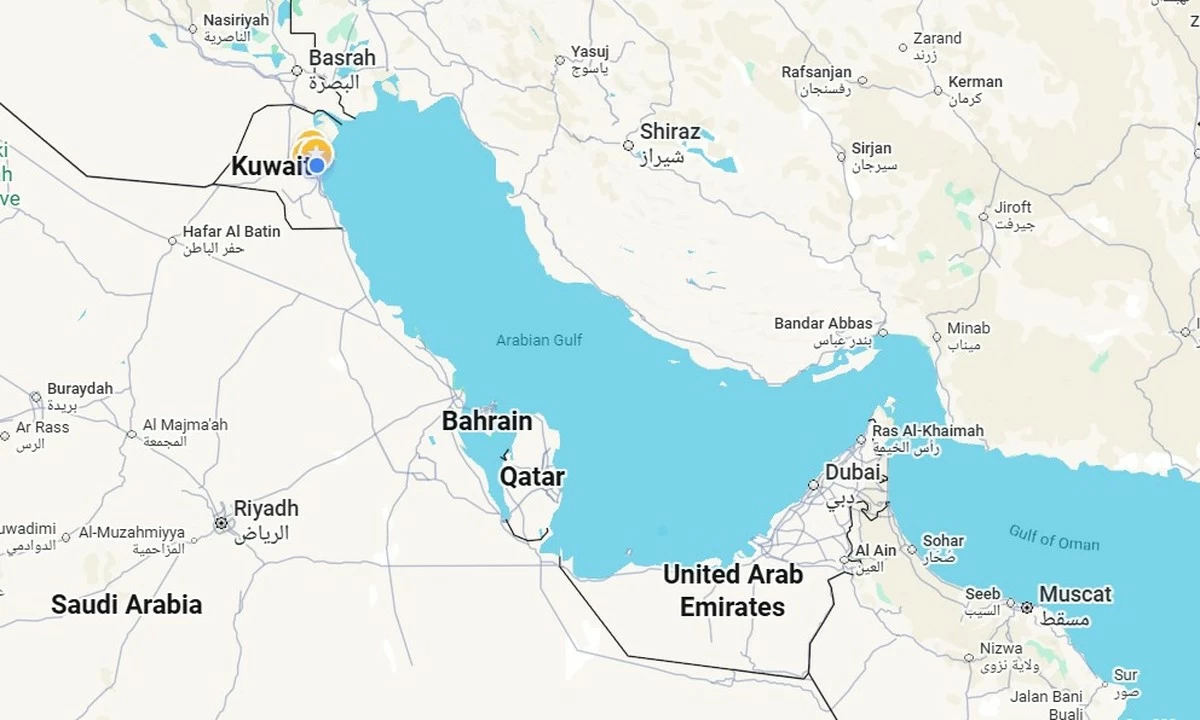
Kuwait is actively considering strategic alternatives to the Strait of Hormuz for its oil exports, driven by escalating geopolitical tensions that have transformed the vital waterway into a significant threat to regional economic stability. Two experts have emphasized the urgent need to accelerate the development of land-based oil transportation projects and extensive pipeline networks across Saudi Arabia, the United Arab Emirates, and Oman.
Activating these alternatives will lead to a decline in the importance of the Strait of Hormuz as the sole path for global energy trade.
Mohammad Ramadan, an economic expert and former advisor to the Minister of Finance, highlighted that the Gulf Cooperation Council (GCC) possesses ample geographical and logistical alternatives extending into Saudi, UAE, and Omani territories and coastlines. He believes activating these routes would diminish the Strait of Hormuz's dominance in global energy trade, thereby reducing Tehran's leverage over this critical chokepoint.
Ramadan clarified that the goal is not to abandon the Strait of Hormuz but to break its monopoly and limit its capacity for absolute control over energy transport. Concurrently, economic and legal expert Salem Al-Kandari urged Kuwait to diversify its oil markets beyond Asia, targeting promising African and European destinations. He proposed that Kuwait leverage the Saudi East-West pipeline, which connects to the Red Sea port of Yanbu, as an optimal logistical and security corridor.
This is divided into roughly five million barrels per day for export through the port of Yanbu and two million barrels per day directed domestically to supply refineries and meet local consumption on the western coast of Saudi Arabia.
Al-Kandari noted the Saudi pipeline's substantial operational capacity, capable of handling approximately seven million barrels per day, with a significant portion designated for export. He argued that this alternative route would not only reduce shipping costs and travel times by bypassing the Arabian Peninsula but also mitigate risks associated with regional conflicts. Furthermore, he suggested that such a pipeline project would bolster Gulf integration and strengthen economic ties between Kuwait and Saudi Arabia, paving the way for a comprehensive Gulf energy pipeline network.
This pipeline is distinguished by being a safe and reliable strategic outlet that spares Gulf energy shipments the risks of the usual geopolitical tension in the Strait of Hormuz.
DistantNews Editorial
Originally published by Arab Times in English. Translated, summarized, and contextualized by our editorial team with added local perspective. Read our editorial standards.
More Stories



From Our Blog

What Gets Lost (and Found) When News Is Translated

The Critical Role of Diaspora Media in Global News

What Travellers Should Know About Countries with Restricted Press

A Digital Nomad's Guide to Following Local News

How the Same Story Looks Different in Different Countries
