

Labor Unions Slam Minimum Wage: 'You Can't Live a Week on 28,000 Lira'
Translated from Turkish, summarized and contextualized by DistantNews.
TLDR
- Three major Turkish labor confederations express concern over the inadequacy of the minimum wage and pensions, citing high inflation.
- They argue that the current minimum wage of 28,000 lira is insufficient for even a week's living expenses and that tax brackets disproportionately burden workers.
- The confederations also highlight issues such as informal employment, lack of unionization, and the need for a restructured minimum wage determination commission.
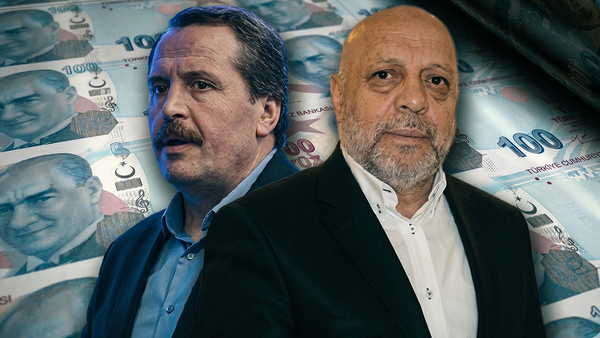
From the perspective of Cumhuriyet, a publication often critical of government economic policies, the statements from major labor confederations like TÜRK-İŞ, Memur-Sen, and HAK-İŞ underscore a deepening crisis of livelihood in Turkey. The unified voice of these unions, representing millions of workers, paints a grim picture of economic hardship, directly challenging official narratives.
Ali Yalçın of Memur-Sen points to the widening gap between official inflation figures and the reality on the ground, particularly concerning rent and basic food prices. This discrepancy, he argues, erodes the middle class and exacerbates the struggles of pensioners and the unemployed. The sentiment here is one of deep concern for the working class, whose purchasing power is being systematically diminished.
Asgari ücret 28 bin lira. İlk kez TÜRK-İŞ’in açıkladığı yoksulluk sınırının altında kaldı. Bu parayla bir ayı bırakın, bir hafta geçinemezsiniz
Ergün Atalay of TÜRK-İŞ directly confronts the inadequacy of the minimum wage, stating bluntly that 28,000 lira is not enough to survive even a week, let alone a month. This highlights a critical disconnect between the government's economic targets and the daily realities faced by ordinary citizens. The call for tax reform further emphasizes the perceived unfairness in the current economic system, where the burden falls heavily on those with lower incomes.
Enflasyonla mücadelede fatura ücretliye çıkarsa, toplumsal dayanışma zayıflar, iç tahkimat zarar görür
Mahmut Arslan of HAK-İŞ’s critique of the minimum wage determination process, demanding that it not be dictated by employers or the government, reflects a broader struggle for worker autonomy and fair representation. The union's stance suggests a lack of trust in the existing mechanisms for setting wages and benefits, advocating for a more equitable and inclusive commission.
Cumhuriyet would emphasize that these are not isolated complaints but systemic issues stemming from an economic model that prioritizes certain interests over the well-being of the majority. The focus on inflation, declining purchasing power, and the tax burden reflects a national conversation about economic justice and the need for policies that genuinely support ordinary Turkish citizens.
İşverenlerin ve hükümetin belirlediği asgari ücret, bizim asgari ücretimiz olamaz
DistantNews Editorial
Originally published by Cumhuriyet in Turkish. Translated, summarized, and contextualized by our editorial team with added local perspective. Read our editorial standards.
More Stories

From Our Blog

What Gets Lost (and Found) When News Is Translated

The Critical Role of Diaspora Media in Global News

What Travellers Should Know About Countries with Restricted Press

A Digital Nomad's Guide to Following Local News

How the Same Story Looks Different in Different Countries
