


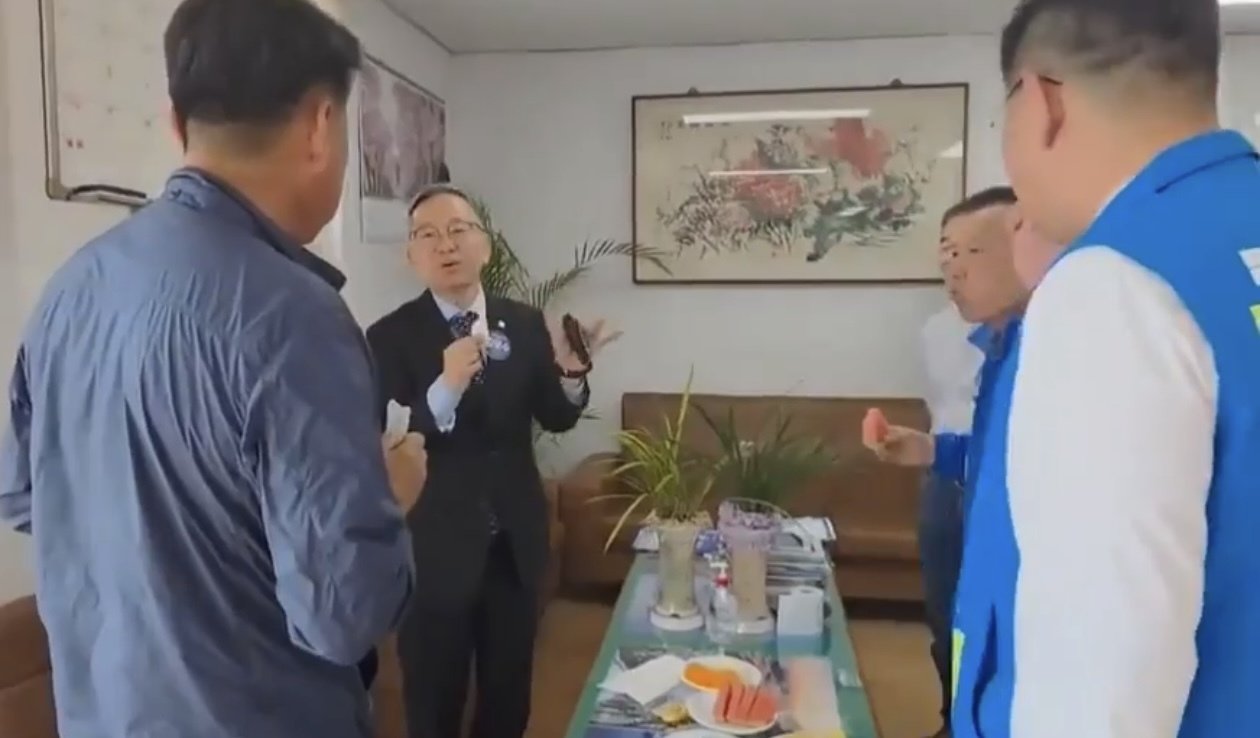
Lawmaker Apologizes for "Lackey" Remark About Public Officials
Translated from Korean, summarized and contextualized by DistantNews.
TLDR
- South Korean lawmaker Kim Moon-soo of the Democratic Party apologized for using the derogatory term "ttakari" (errand boy/lackey) to describe public officials.
- The controversial remark was made during an event in Suncheon and was widely criticized on social media and by public officials' unions.
- Kim Moon-soo explained that the term was used in the context of explaining the hierarchical relationship between politicians and public servants, and he expressed regret for the inappropriate language.
A recent statement by Democratic Party lawmaker Kim Moon-soo has ignited controversy, drawing sharp criticism from various quarters. While addressing an event in Suncheon, Kim used the term "ttakari," a derogatory word for an errand boy or lackey, in reference to public officials. This remark has understandably caused offense and sparked a debate about the language used by elected representatives when discussing civil servants.
The controversy quickly spread across social media platforms and resonated within the public sector. A 6-second video clip of Kim's statement went viral, with critics labeling his behavior as "arrogant" and questioning his suitability for public office. The Suncheon City branch of the public officials' union saw numerous critical comments, with one post lamenting, "I thought I had worked with conviction for over two years, but because of one politician, my work has become that of a lackey." Another expressed deep hurt, stating, "We study for years, receive modest salaries, and the only thing we have left is pride in being public officials. But to be called 'ttakari'? Why must we endure such treatment?"
Facing mounting backlash, Kim Moon-soo issued an apology via Facebook. He explained that the term was used during an explanation of the hierarchical dynamics between politicians and public servants, specifically in the context of the relationship between a local council chairman, the mayor, and city council members, as well as the top-down structure within the civil service. He acknowledged the "inappropriate vulgarity" of his language and expressed regret for its use.
This incident highlights a recurring issue in South Korean politics: the often-strained relationship between elected officials and the bureaucracy. While lawmakers are expected to provide oversight and direction, the language used can have a significant impact on public perception and morale within the civil service. From a South Korean perspective, this discussion touches upon deeply ingrained societal hierarchies and the respect afforded to public service. The apology, while necessary, does not erase the underlying sentiment expressed, which many public servants feel devalues their contributions and the dignity of their profession. The debate underscores the need for more respectful and constructive dialogue between political leaders and the administrative bodies they oversee.
DistantNews Editorial
Originally published by Dong-A Ilbo in Korean. Translated, summarized, and contextualized by our editorial team with added local perspective. Read our editorial standards.
More Stories


From Our Blog

What Gets Lost (and Found) When News Is Translated

The Critical Role of Diaspora Media in Global News

What Travellers Should Know About Countries with Restricted Press

A Digital Nomad's Guide to Following Local News

How the Same Story Looks Different in Different Countries
