


Legendary Economist Warns of Potential 2026 US Recession
Translated from Romanian, summarized and contextualized by DistantNews.
TLDR
- Economist Gary Shilling warns of a potential US recession by late 2026, citing a frozen housing market, declining corporate investment, and weakening consumer spending.
- He anticipates a significant stock market correction, with a 20-30% drop being historically plausible, and highlights hidden economic vulnerabilities.
- Shilling considers fiscal stimulus or a consumption rebound unlikely to avert a downturn, while other economists hold divided views on the US economic outlook.
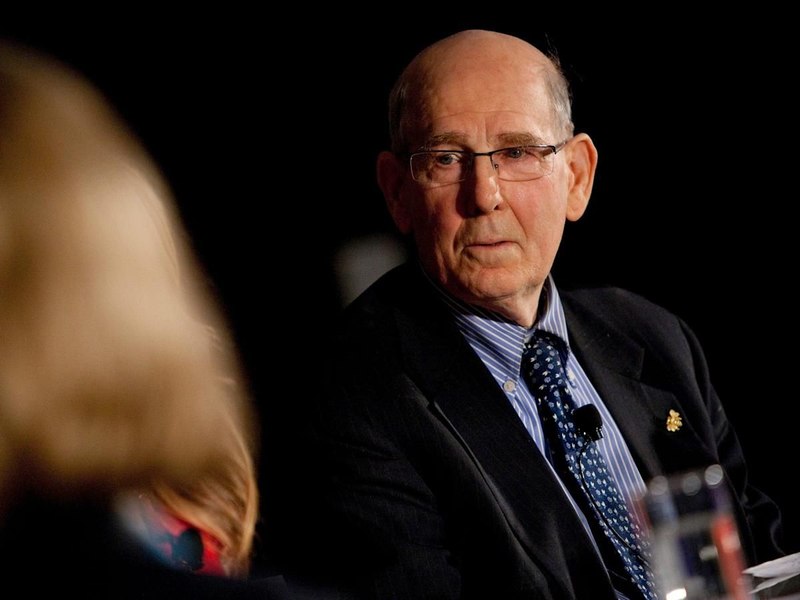
Gary Shilling, an economist renowned for his prescient pessimistic forecasts, including the 1969-1970 recession, is sounding the alarm for the United States economy. In a recent interview, Shilling declared a recession "almost inevitable" by the end of 2026. He points to a trifecta of risk factors: a stagnant housing market, a decline in corporate investment, and a noticeable weakening in consumer spending.
Acțiunile sunt foarte scumpe și este probabil să asistăm la o corecție majoră în viitorul relativ apropiat
Shilling’s analysis suggests that the US stock market is currently overvalued, predicting a major correction of 20% to 30%. He emphasizes that economic vulnerabilities are not always obvious, drawing on his career of identifying hidden weaknesses. The housing market, he notes, is effectively frozen due to high interest rates, impacting both buyers and sellers. Furthermore, corporate capital expenditures have slowed considerably compared to pandemic-era levels, and inflation continues to put pressure on consumer purchasing power.
Mi-am construit cariera identificând vulnerabilități ascunse și, chiar dacă nu există un semnal clar în acest moment, asta nu înseamnă că ele nu există.
While acknowledging that some economists, like Alicia Levine of BNY Wealth, do not foresee a recession this year, Shilling remains unconvinced. He views scenarios that could avert a downturn, such as fiscal stimulus or a consumer spending recovery, as improbable. The situation, he argues, is fragile, affecting both incomes and people's willingness to spend. This divergence in expert opinion underscores the broader uncertainty surrounding the global economic direction amidst various growth pressures.
Situația este fragilă, atât în ceea ce privește veniturile, cât și disponibilitatea oamenilor de a cheltui
DistantNews Editorial
Originally published by Adevărul in Romanian. Translated, summarized, and contextualized by our editorial team with added local perspective. Read our editorial standards.
More Stories



From Our Blog

What Gets Lost (and Found) When News Is Translated

The Critical Role of Diaspora Media in Global News

What Travellers Should Know About Countries with Restricted Press

A Digital Nomad's Guide to Following Local News

How the Same Story Looks Different in Different Countries
